The Middle East crisis has entered another tense diplomatic phase after Iran rejected a new US offer for talks, despite President Donald Trump saying Washington remains open to negotiations with Tehran.
The latest development comes as military tensions, economic pressure and uncertainty surrounding the Strait of Hormuz continue to complicate efforts to reduce the conflict.
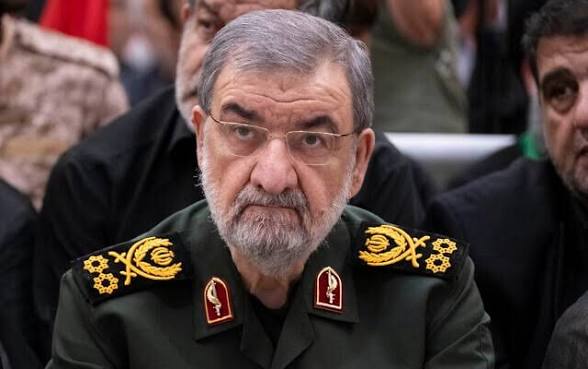
Iranian Supreme National Security Council Secretary Mohsen Rezaei rejected negotiations with Washington under the current circumstances. Iranian officials have indicated that Tehran would consider diplomacy only if its conditions are addressed.
The rejection creates another obstacle for US-Iran diplomacy. It also comes as international governments push both sides toward restraint and a return to diplomatic engagement.
China’s Foreign Minister Wang Yi called on Iran and the United States to exercise restraint and return to the interim peace framework reached in June. He also emphasized the importance of reopening the Strait of Hormuz because of its significance to global energy supplies and shipping.
Iran Rejects New US Talks
Iran’s latest response followed Trump’s remarks that Washington was open to renewed discussions with Tehran.
However, Tehran’s security leadership rejected the idea of negotiations under the present conditions. Reports said Rezaei argued that the circumstances surrounding the conflict had changed, particularly regarding oil and the strategic waterways of the region.
The response highlights a major difference between the two governments.
Washington has publicly signaled interest in reaching an agreement. Iran, meanwhile, has emphasized that any diplomatic process must address conditions important to Tehran before negotiations can resume.
This does not necessarily mean that diplomacy has permanently ended. Instead, the latest statements indicate that the two sides remain far apart over the terms and circumstances required for talks.
What Trump Offered
Trump’s recent comments indicated that he was open to discussions with Iran.
The remarks represented another attempt to leave the door open to diplomacy after months of military confrontation and unsuccessful efforts to establish a lasting political settlement.
Reports on Trump’s comments said the US president argued that Iran wanted a deal and that Washington remained willing to engage.
Iran, however, has disputed previous US claims about imminent negotiations.
In August, Iranian officials also rejected Trump’s assertion that talks were about to restart, demonstrating how differently Washington and Tehran have described the diplomatic situation.
That history helps explain why the latest US offer has not immediately produced a negotiating process.
For talks to begin, both sides would need agreement on the format, agenda and conditions surrounding the negotiations.
Why Iran Is Rejecting Talks
Iran’s position is closely connected to the broader conflict.
Tehran has repeatedly argued that negotiations cannot proceed normally while military pressure and threats remain.
Iranian officials have also demanded guarantees and conditions connected to sovereignty, security and economic issues.
Earlier negotiations illustrate the depth of the disagreement. Reports on previous US-Iran proposals described major differences over Iran’s nuclear activities, missile capabilities, sanctions, regional armed groups and the Strait of Hormuz.
The Iranian position has also included demands for an end to attacks and security guarantees against future US or Israeli military action.
Therefore, when Tehran rejects talks, it is not simply rejecting diplomacy as a concept. The dispute is also about what conditions must exist before diplomacy can take place.
Strait of Hormuz Becomes Central to the Crisis
The Strait of Hormuz has become one of the most important issues in the current Middle East crisis.
The narrow waterway connects the Persian Gulf with the Gulf of Oman and is a major route for international energy shipments.
Any prolonged disruption could affect oil markets, shipping costs and supply chains around the world.
China has now directly highlighted the issue. During talks with Iranian Foreign Minister Abbas Araqchi on September 16, Wang Yi called for the reopening of the Strait of Hormuz and emphasized the importance of protecting global energy transportation.
The issue extends beyond Iran and the United States.
Asian economies are particularly exposed to disruptions in Middle Eastern energy supplies. European markets could also face higher transportation and energy costs if shipping routes remain unstable.
That makes the Strait of Hormuz a major international concern rather than simply a bilateral US-Iran dispute.
China’s Diplomatic Role
China has increasingly positioned itself as a supporter of diplomatic efforts to reduce the crisis.
Wang Yi’s September 16 comments called for Iran and the United States to exercise restraint and return to the interim peace agreement reached in June.
China has also stressed the importance of reopening regional shipping routes and restoring stability to energy markets.
Beijing has significant economic interests in maintaining stable energy supplies.
It is also an important economic partner of Iran. That gives China a reason to encourage negotiations without directly becoming a military participant in the confrontation.
Whether Chinese diplomacy can bring Washington and Tehran closer together remains uncertain.
However, China’s involvement adds another diplomatic channel at a time when direct US-Iran engagement remains difficult.
The Bigger Middle East Crisis
The US-Iran dispute is only one part of a wider regional crisis.
Events involving Israel, Lebanon, Yemen and the Gulf states are also affecting the security environment.
The Strait of Hormuz is particularly sensitive because military developments around the Persian Gulf can quickly affect commercial shipping.
At the same time, the Bab al-Mandab waterway and Red Sea routes remain important to international trade.
Recent regional developments have also increased concerns among Gulf states.
Saudi Arabia, for example, has faced security concerns involving attacks attributed to Iran-backed groups. The Saudi government recently accused Houthi rebels of attempting to launch a drone attack toward Mecca, while the Houthis denied involvement.
These developments demonstrate how the wider crisis involves multiple actors and several separate security disputes.
US-Iran Diplomacy Has a Complicated History
Diplomatic contact between Iran and the United States has repeatedly followed a similar pattern.
Periods of negotiations have been followed by disagreements, military escalation or disputes over sanctions and security guarantees.
The latest crisis has made those problems more difficult.
For Washington, negotiations are connected to questions involving Iran’s military capabilities, regional activities and nuclear program.
For Tehran, negotiations are connected to sovereignty, sanctions relief, security guarantees and the consequences of military action.
Because each side has different priorities, even agreeing to meet does not guarantee a broader agreement.
Previous negotiations have shown that the hardest issues are often the same ones that remain unresolved today.
What Iran Wants From Diplomacy
Iranian officials have emphasized that any future diplomatic process must protect the country’s interests.
Among the issues previously raised by Tehran are security guarantees, sanctions relief and an end to military attacks.
Iran has also maintained that the country has rights that must be recognized during negotiations.
These demands create a difficult starting point for US officials.
Washington would likely seek commitments on Iran’s military and nuclear activities as part of any broader agreement, while Tehran wants assurances that a diplomatic agreement would not simply be followed by another military confrontation.
The difference is therefore not only about whether talks should happen.
It is also about what a successful agreement would look like.
What the US Wants
The United States has broader objectives involving regional security and Iran’s military capabilities.
Previous US proposals reportedly included restrictions involving Iran’s nuclear program and missiles, changes relating to support for regional armed groups, reopening the Strait of Hormuz and sanctions relief as part of a possible settlement.
Those issues are extremely complicated because each one involves separate security and political questions.
For example, nuclear restrictions require verification mechanisms.
Missile restrictions would require agreement over the scope of Iran’s military program.
Sanctions relief would require decisions by the US government and potentially coordination with international financial institutions and other governments.
The Strait of Hormuz would require security arrangements that could involve several regional countries.
As a result, a comprehensive US-Iran agreement would be much more complicated than a simple ceasefire.
Why the Latest Rejection Matters
Iran’s rejection matters because it reduces the immediate possibility of direct negotiations.
It also demonstrates that public statements from Washington and Tehran remain significantly different.
Trump has presented himself as open to talks, while Iranian officials have said that negotiations cannot proceed without specific conditions being met.
That gap makes diplomatic progress difficult.
Still, a rejection of talks at one point does not automatically mean diplomacy will remain closed indefinitely.
International conflicts often involve indirect communication through mediators even when direct talks are suspended.
China, Pakistan and other regional actors have previously been involved in diplomatic efforts surrounding the US-Iran conflict.
Economic Impact of the Crisis
The diplomatic standoff has major economic implications.
Oil markets are particularly sensitive to developments involving the Persian Gulf.
When traders fear disruptions to oil production or shipping, crude prices can react quickly.
Higher energy prices can increase transportation and manufacturing costs. They can also contribute to inflation in countries that import large amounts of energy.
The Strait of Hormuz is therefore one of the most important economic pressure points in the current crisis.
Reuters has reported that oil markets have reacted to developments surrounding US-Iran negotiations and ceasefire expectations, showing how closely energy prices are linked to diplomatic developments.
A sustained diplomatic breakthrough could reduce uncertainty.
Conversely, continued military escalation could keep pressure on energy and shipping markets.
Could Talks Still Resume?
The current rejection does not necessarily rule out future negotiations.
Iran has previously indicated that diplomatic avenues can remain possible under acceptable conditions.
On September 16, China’s foreign minister reported that Iranian Foreign Minister Araqchi remained open to diplomatic avenues that protect Iranian interests and rights.
This distinction is important.
Iran may reject a specific US proposal or the conditions attached to talks while still leaving open the possibility of diplomacy through another framework.
The question is whether Washington and Tehran can agree on the basic conditions needed to restart negotiations.
Potential areas of discussion could include:
- A ceasefire or reduction in military activity
- Security guarantees
- Sanctions
- Iran’s nuclear program
- Missile capabilities
- Regional armed groups
- The Strait of Hormuz
- International monitoring
- Humanitarian concerns
Each issue presents its own challenges.
International Pressure for Restraint
The latest developments have increased calls from other governments for restraint.
China’s September 16 appeal is one example.
Beijing urged both sides to return to diplomacy and emphasized the importance of stabilizing regional energy transportation.
Other governments are also concerned about the consequences of a prolonged conflict.
A wider escalation could affect oil supplies, shipping routes, financial markets and regional security.
The longer the confrontation continues, the more difficult it may become for governments to separate military developments from diplomatic negotiations.
What Happens Next?
The next stage of the Middle East crisis will depend on whether Washington and Tehran can establish a diplomatic channel acceptable to both sides.
For now, Iran has rejected the latest US approach.
At the same time, international efforts to encourage negotiations are continuing.
China is pushing for renewed consultations. Iran has signaled that diplomacy remains possible under conditions it considers acceptable. Washington continues to express interest in reaching an agreement.
The major challenge is translating those positions into a mutually accepted negotiating framework.
The Strait of Hormuz will likely remain central to the discussion because of its importance to energy markets and international shipping.
Any meaningful diplomatic process would also have to address the broader regional security environment.
Conclusion
The latest Middle East crisis development shows that the path toward US-Iran negotiations remains uncertain.
Iran has rejected the latest US offer for talks, with security chief Mohsen Rezaei saying negotiations cannot proceed under the current circumstances.
Trump, meanwhile, has indicated that Washington remains open to discussions.
The disagreement demonstrates the distance between the two sides.
However, the diplomatic picture is not completely closed. China’s call for restraint and renewed consultations, along with Iranian statements supporting diplomacy under acceptable conditions, indicate that international efforts continue.
The central questions now involve whether the United States and Iran can agree on conditions for negotiations, how the Strait of Hormuz can be stabilized, and whether a broader regional security arrangement can eventually emerge.
For global markets, governments and businesses, the stakes remain significant.
Until the diplomatic gap narrows, the Middle East crisis is likely to remain closely connected to military developments, energy markets and international shipping.
Frequently Asked Questions
1. Why did Iran reject the latest US talks offer?
Iran rejected talks under the current circumstances and has indicated that specific conditions must be addressed before negotiations can resume. Iranian security officials have emphasized the changed security environment and Tehran’s interests.
2. Did Donald Trump offer to negotiate with Iran?
Yes. Trump has publicly indicated that the United States remains open to discussions with Iran and has spoken about the possibility of reaching an agreement.
3. Who is Iran’s security chief mentioned in the latest reports?
The reports identify Mohsen Rezaei as the secretary of Iran’s Supreme National Security Council. He rejected negotiations with the United States under the current circumstances.
4. Why is the Strait of Hormuz important?
The Strait of Hormuz is a major route for international energy shipments. Disruptions there can affect oil supplies, shipping costs and global markets.
5. Is Iran completely opposed to diplomacy?
Iran has rejected the latest US approach, but recent reporting indicates that Iranian officials have continued to leave room for diplomatic avenues under conditions Tehran considers acceptable.
6. What role is China playing in the crisis?
China is calling for restraint and renewed US-Iran consultations. Chinese Foreign Minister Wang Yi has also stressed the importance of reopening the Strait of Hormuz and protecting international energy transportation.
7. Could US-Iran talks resume later?
The current rejection does not establish that future diplomacy is impossible. The key issue is whether the two governments can agree on acceptable conditions and a framework for negotiations.
8. How could the crisis affect oil prices?
Any threat to energy production or shipping through the Persian Gulf can increase uncertainty in oil markets. Previous market movements have shown that expectations surrounding US-Iran diplomacy can influence crude prices.
9. What are the main issues in US-Iran negotiations?
Potential issues include Iran’s nuclear program, missiles, sanctions, regional armed groups, security guarantees and the Strait of Hormuz. Previous proposals have covered several of these areas.
10. What should readers watch next?
Key developments include any new US or Iranian statements, mediation efforts by countries such as China or Pakistan, changes around the Strait of Hormuz, military activity and developments affecting regional energy markets.
About the Author