Iran Regime Under Pressure: Pompeo Says ‘Powerful Force’ Is Rising Against Tehran
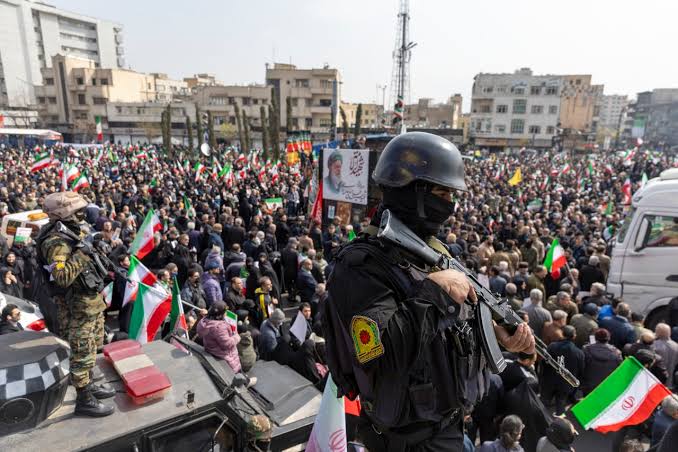
The Iranian regime is once again under intense scrutiny as former U.S. Secretary of State Mike Pompeo declared that a “powerful force” is rising against Tehran. His comments come at a time when Iran faces mounting domestic unrest, economic hardship, and growing diplomatic pressure.
Pompeo argued that dissatisfaction among ordinary Iranians continues to increase despite years of government crackdowns. His remarks have reignited debate over the future of Iran’s leadership, the effectiveness of sanctions, and whether meaningful political change is becoming more likely.
At the same time, diplomatic negotiations involving Washington and Tehran remain uncertain. Reports indicate that discussions continue, but both sides have issued conflicting statements regarding any potential agreement, highlighting the fragile nature of the current situation.
Why Pompeo Believes Tehran Faces Growing Pressure
Mike Pompeo has long maintained that the Iranian government remains vulnerable because of internal dissatisfaction rather than outside military threats alone.
According to his recent remarks, the greatest challenge facing Tehran comes from the Iranian people themselves.
Pompeo suggested that:
- Public frustration continues to grow.
- Economic hardship is fueling unrest.
- Government legitimacy is weakening.
- International isolation has increased pressure on Iranian leaders.
His comments echoed previous positions that lasting political change is more likely to emerge from inside Iran than from foreign intervention.
Iran’s Economic Crisis Continues
Iran’s economy remains under enormous strain.
Several factors have contributed to the country’s difficulties:
International Sanctions
Years of U.S. and international sanctions have severely limited Iran’s oil exports, foreign investment, and banking access.
Inflation
Inflation has reduced purchasing power for millions of Iranian families, making food, housing, and essential goods increasingly expensive.
Currency Weakness
The Iranian rial has experienced significant depreciation, further worsening living conditions.
Youth Unemployment
Young Iranians continue to struggle to find stable employment despite having high levels of education.
These economic problems have become a major source of public frustration.
Public Protests Continue to Challenge Authorities
Iran has witnessed repeated waves of demonstrations in recent years.
Although authorities have often responded with arrests and restrictions, protests have continued over issues including:
- Cost of living
- Inflation
- Corruption
- Women’s rights
- Political freedoms
Independent observers say economic conditions remain a central driver of public dissatisfaction. Earlier this year, reports also described widespread anti-government demonstrations and internet restrictions during periods of unrest.
International Pressure on Tehran
Iran also faces increasing diplomatic pressure.
Western governments continue expressing concern regarding:
- Nuclear activities
- Regional military influence
- Human rights
- Support for armed groups across the Middle East
These issues have complicated negotiations and maintained tensions between Tehran and Western capitals.
The Status of U.S.-Iran Negotiations
While political rhetoric remains intense, diplomacy has not completely stopped.
Recent reports suggest negotiations continue through intermediaries, although both Washington and Tehran have provided conflicting accounts regarding their progress. Some officials describe cautious optimism, while Iranian representatives insist no final agreement has been reached.
Major sticking points reportedly include:
- Sanctions relief
- Nuclear restrictions
- Release of frozen assets
- Regional security arrangements
Because negotiations remain fluid, analysts caution against assuming an agreement is imminent.
Internal Challenges Facing Iran’s Leadership
Political analysts note that Tehran faces several domestic challenges simultaneously.
Economic Pressure
Persistent inflation continues affecting daily life.
Public Confidence
Repeated protests have demonstrated ongoing public frustration.
Leadership Questions
Questions surrounding succession and internal political divisions continue attracting attention.
International Isolation
Diplomatic disputes remain unresolved.
Together, these issues have increased pressure on Iran’s leadership.
Regional Security Concerns
Tensions across the Middle East remain elevated.
Recent military incidents involving U.S. and Iranian forces have raised fears of broader regional escalation. Reports indicate that while diplomatic contacts continue, military activity has also persisted, creating uncertainty over future stability.
Many regional governments continue calling for restraint.
Could Internal Change Happen?
Experts remain divided.
Some believe:
- Economic hardship could eventually produce significant political reforms.
Others argue:
- Iran’s security institutions remain capable of suppressing large-scale unrest.
There is currently no consensus regarding whether internal political change is imminent.
Pompeo’s Broader Foreign Policy Position
Throughout his public career, Pompeo has consistently argued that:
- Maximum economic pressure weakens authoritarian governments.
- Human rights should remain central to U.S. foreign policy.
- Iran’s regional activities require firm international responses.
His latest remarks fit within that long-standing policy framework.
What Analysts Are Watching
Several developments will likely shape Iran’s future over the coming months:
1. Nuclear Negotiations
Any breakthrough could significantly alter relations between Tehran and Washington.
2. Domestic Economy
Inflation and unemployment remain critical indicators.
3. Public Demonstrations
Future protests could influence political calculations.
4. Regional Security
Military incidents may affect diplomatic efforts.
5. International Sanctions
Any changes in sanctions policy could reshape Iran’s economy.
Global Reactions
Governments across Europe, the Middle East, and Asia continue monitoring developments closely.
Many have encouraged:
- Diplomatic dialogue
- Regional stability
- Peaceful resolution of disputes
International organizations have also urged restraint amid continuing tensions.
What Happens Next?
Despite Pompeo’s confidence that a “powerful force” is emerging inside Iran, predicting political change remains difficult.
The country continues facing significant economic challenges alongside ongoing diplomatic negotiations.
Whether internal pressure ultimately results in reform, leadership changes, or renewed confrontation remains uncertain.
For now, Iran remains at the center of one of the world’s most closely watched geopolitical situations, with domestic unrest, economic conditions, and international diplomacy all likely to shape its future. Recent reporting suggests negotiations remain active but unresolved, underscoring the uncertainty surrounding the path ahead.
Conclusion
Mike Pompeo’s latest comments have once again focused global attention on Iran’s internal political climate. His assertion that a “powerful force” is rising against Tehran reflects a broader debate about the country’s future amid economic hardship, public dissatisfaction, and diplomatic uncertainty.
While some analysts believe these pressures could eventually reshape Iranian politics, others caution that the government retains significant tools to maintain control. As negotiations continue and regional tensions evolve, the coming months may prove critical for both Iran and the broader Middle East.
Frequently Asked Questions (FAQs)
What did Mike Pompeo say about Iran?
Pompeo said a “powerful force” is rising against Tehran, arguing that internal public dissatisfaction is placing increasing pressure on Iran’s leadership.
Why is Iran under pressure?
Iran faces economic challenges, inflation, sanctions, diplomatic disputes, and recurring domestic protests.
Are the United States and Iran negotiating?
Yes. Recent reports indicate negotiations continue through intermediaries, although both sides disagree about how close they are to reaching an agreement.
What are the biggest challenges facing Iran today?
Economic hardship, inflation, unemployment, sanctions, political unrest, and regional security concerns remain among Iran’s biggest challenges.
Could political change occur in Iran?
Analysts remain divided. Some believe sustained economic and political pressure could encourage reform, while others argue the current leadership retains strong institutional control.
How useful was this post?
Click on a star to rate it!
Average rating 0 / 5. Vote count: 0
No votes so far! Be the first to rate this post.
About the Author

usa5911.com
Administrator
Hi, I’m Gurdeep Singh, a professional content writer from India with over 3 years of experience in the field. I specialize in covering U.S. politics, delivering timely and engaging content tailored specifically for an American audience. Along with my dedicated team, we track and report on all the latest political trends, news, and in-depth analysis shaping the United States today. Our goal is to provide clear, factual, and compelling content that keeps readers informed and engaged with the ever-changing political landscape.