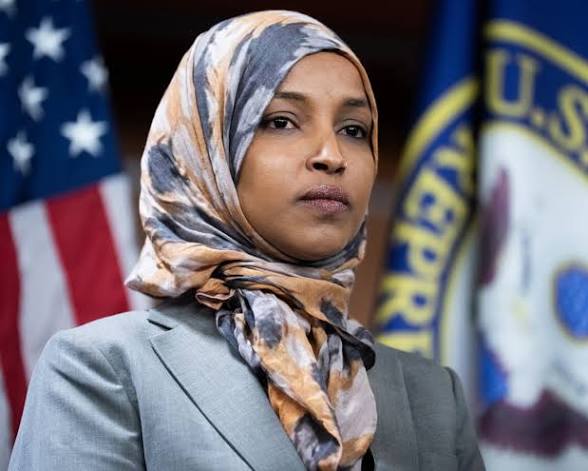
The Ilhan Omar investigation has attracted renewed attention following discussion surrounding unsealed records and comments from a former Department of Homeland Security (DHS) advisor. The latest debate has raised questions about the nature of the documents, the scope of any federal scrutiny and the legal significance of the information being discussed.
Ilhan Omar, the Democratic representative from Minnesota, has frequently been at the centre of national political debates. Her public statements, political positions and congressional activities have attracted both strong support and criticism.
However, the appearance of unsealed records does not automatically establish wrongdoing. Court documents can contain allegations, investigative references, witness statements and legal arguments that require careful examination.
The former DHS advisor’s comments have added another dimension to the discussion. They have encouraged questions about how federal agencies approach sensitive investigations and what the public should understand when previously confidential material becomes available.
The central issue is therefore not simply political controversy. It is whether the available records establish specific facts, what remains unverified and whether any official legal action has followed.
Former DHS Advisor Charles Marino Comments on the Investigation

One of the most notable reactions to the unsealed records came from Charles Marino, a former Department of Homeland Security advisor.
Marino discussed the investigation during an appearance on Fox News’ Fox & Friends First. His comments focused on the potential significance of the search warrant, the reported expansion of investigative interest and the possibility that investigators could examine several areas of Omar’s personal records.
According to reporting by the Tampa Free Press on November 25, Marino argued that the investigation appeared to be developing beyond a single issue.
He also suggested that financial questions could become relevant as investigators examine possible connections between different allegations.
Marino described the situation as a developing federal investigation rather than a matter that could be understood through one document alone.
His remarks attracted attention because they came after the release of more than 160 pages of court filings connected to the search of Omar’s Washington residence.
However, it is important to distinguish Marino’s interpretation from the findings of investigators or a court.
A former DHS advisor’s television commentary does not establish that a crime occurred. It also does not confirm that investigators have discovered evidence sufficient to support criminal charges.
The actual legal significance depends on the evidence collected, the applicable statutes and the decisions made by prosecutors and judges.
Why Marino’s Comments Matter
Marino’s comments matter because they highlight an important question: could investigators be examining multiple aspects of the same broader case?
Federal investigations involving alleged fraud can involve different types of evidence. Investigators may examine documents, financial transactions, communications and records from government agencies.
However, the existence of several investigative leads does not mean that every lead will result in a criminal charge.
The former advisor’s observations therefore provide political and law-enforcement commentary, rather than a formal statement of the government’s conclusions.
What Do the Unsealed Records Reveal?
The release of court documents on November 23, 2026, became a major development in the Ilhan Omar investigation.
According to the Minnesota Star Tribune, the newly available filings reveal that federal investigators are seeking evidence connected to suspected offenses dating back several decades.
The records reportedly reference a period beginning in 1980.
One particularly notable passage states that the United States believes Omar may have committed certain redacted crimes over decades, beginning before she entered Congress.
Nevertheless, the documents do not identify the specific alleged offenses in that passage.
This distinction is important. The wording reflects the government’s investigative position, not a judicial finding that Omar committed a crime.
The documents also contain extensive redactions. As a result, readers cannot independently establish the full investigative theory from the publicly available material.
The 67-page search warrant affidavit remains sealed.
That affidavit is particularly significant because it contains the information presented to establish probable cause for the search.
Without access to the complete affidavit, the public cannot fully evaluate the evidence investigators presented to obtain the warrant.
Why Were the Documents Unsealed?
The records became public after news organizations challenged the decision to keep documents connected to the search confidential.
Media organizations argued that the public had a legitimate interest in understanding the legal basis and circumstances surrounding a search of a sitting member of Congress’s home.
Federal Judge James Boasberg ordered the partial release of the filings.
The decision allowed the public to examine portions of the legal proceedings while preserving confidential investigative information.
The Justice Department had argued that releasing sensitive materials during an ongoing investigation could expose investigative methods, witnesses and other information.
The judge ultimately allowed redacted records to become public while keeping the main search warrant affidavit sealed.
This approach reflects a balance between transparency and the government’s interest in protecting an active investigation.
Federal Investigation Began With a Search of Omar’s Washington Home
The investigation attracted national attention after federal agents searched Omar’s Washington, D.C., residence on October 12, 2026.
Agents from Homeland Security Investigations (HSI), an agency within Immigration and Customs Enforcement, carried out the court-authorized search.
The investigation reportedly concerns potential irregularities involving immigration paperwork connected to Omar and her family.
According to Reuters reporting published in October, investigators were examining whether false information may have been provided during immigration or naturalization proceedings.
The reported investigative areas included possible conspiracy, false statements and immigration fraud.
These are potential areas of investigation, not proven charges against Omar.
The search itself became controversial because Omar is a sitting member of Congress.
Her position raises constitutional questions about the protection of legislative activities and the possibility of government access to materials connected to congressional work.
The search therefore involved both criminal investigative procedures and constitutional safeguards.
What Did Federal Agents Seek?
Reports surrounding the search indicate that investigators were interested in electronic devices and documents.
According to reporting about the search, agents sought materials including:
Mobile phones and electronic devices.
Computers and digital storage equipment.
External hard drives and thumb drives.
Documents potentially connected to immigration history.
Records relevant to the investigation’s undisclosed allegations.
Omar has also said that agents took 17 items from her residence.
These reportedly included phones, notebooks, a children’s book in Somali and a vintage camera belonging to her husband.
The seizure of an item does not establish that it contains evidence of wrongdoing.
Investigators generally collect materials they believe may be relevant to a search warrant. The relevance and evidentiary value of those materials must be assessed separately.
Immigration Paperwork at the Centre of the Probe
Immigration paperwork is one of the central reported areas of federal interest.
Omar was born in Somalia and arrived in the United States with her family in 1995 after fleeing the country’s civil war.
She later became a naturalized American citizen in 2000.
The investigation reportedly examines historical immigration records and questions surrounding information submitted during the family’s immigration process.
Reuters reported in October that investigators were examining whether Omar or relatives provided false information when entering the United States or during citizenship proceedings.
However, the precise allegations remain unclear because the search warrant affidavit has not been made public.
Why Historical Records Matter
Immigration investigations can require examination of documents created many years earlier.
Authorities may compare information across immigration applications, identity records, government databases and other historical documents.
Such investigations can become complicated when records come from countries affected by conflict, displacement or weak civil registration systems.
Differences in names, dates and spellings do not automatically establish fraud.
Investigators must determine whether any inconsistency was intentional, material and legally significant.
They must also establish whether the relevant conduct falls within the applicable legal requirements and time limits.
For this reason, the historical nature of the reported investigation makes access to original records particularly important.
Constitutional Questions Surrounding the Search
The unsealed records also reveal an important constitutional disagreement between federal prosecutors and the magistrate judge who reviewed the warrant.
The issue involves the Constitution’s Speech or Debate Clause.
This provision protects members of Congress from certain forms of interference connected to their legislative activities.
It is designed to preserve the independence of Congress and prevent the executive or judicial branches from improperly interfering with lawmakers performing their official duties.
The clause does not provide blanket immunity from criminal investigations.
However, it can protect certain legislative materials and activities from government examination.
Judge Matthew Sharbaugh Raised Concerns
Before approving the search warrant, U.S. Magistrate Judge Matthew Sharbaugh questioned how investigators would protect materials potentially covered by the Speech or Debate Clause.
The unsealed filings indicate that he disagreed with the government’s argument that the protection was limited to congressional offices and certain electronic devices.
Sharbaugh concluded that investigators’ law-enforcement interests needed to be balanced against Omar’s constitutional protections.
The government ultimately agreed to a screening procedure that would allow Omar to assert privilege over potentially protected legislative materials.
This meant that investigators would have to follow safeguards before examining certain materials collected during the search.
The disagreement is significant because it demonstrates that a search involving a member of Congress can require additional constitutional protections.
It also shows that judicial oversight remains important when investigators seek access to materials belonging to elected officials.
Why the 67-Page Affidavit Remains Sealed
Although more than 160 pages of court records became public, the most important investigative document remains unavailable.
The 67-page search warrant affidavit contains information that prosecutors used to support their request for a warrant.
The Justice Department argued that releasing the affidavit could expose sensitive investigative details.
These details could include witness identities, investigative techniques and information connected to an ongoing federal inquiry.
Judge Boasberg agreed that releasing the affidavit at this stage would be premature.
The decision does not mean the document will remain confidential permanently.
Instead, the court has maintained restrictions while the investigation continues.
The distinction between unsealed court filings and the sealed affidavit is essential to understanding the current situation.
The released documents explain parts of the legal process. They do not provide the complete evidentiary basis for the search.
For readers following the Ilhan Omar investigation, this means several major questions remain unanswered.
Could Financial Questions Expand the Investigation?
Another important element of the latest discussion concerns possible financial scrutiny.
Charles Marino suggested that financial issues could become part of a wider investigative picture.
This observation has attracted attention because financial records can play an important role in federal fraud investigations.
However, the public should not interpret commentary about possible financial scrutiny as proof of financial misconduct.
The publicly available information does not establish that Omar committed financial fraud.
Nor does the release of the court records establish that prosecutors have reached a conclusion about her finances.
Why Investigators Examine Financial Records
In investigations involving alleged fraud, authorities may examine financial documents to understand transactions, ownership arrangements and the movement of money.
Depending on the nature of the investigation, relevant records could include:
Bank statements.
Financial disclosure documents.
Tax-related records.
Business ownership information.
Records of payments and transfers.
Documents identifying the source of funds.
These are examples of records that investigators may examine in financial investigations. They should not be understood as a confirmed list of materials seized or reviewed in Omar’s case.
If investigators discover evidence of a separate offence, they may examine whether it is legally connected to the original inquiry.
However, prosecutors must establish each alleged violation using admissible evidence.
The distinction between investigative interest and proven misconduct remains particularly important in politically sensitive cases.
Ilhan Omar Denies Wrongdoing and Questions the Investigation
Omar has rejected allegations of wrongdoing and criticised the federal investigation.
She has described the search of her home as politically motivated and argued that federal law enforcement should not be used to target political opponents.
Her criticism comes amid a broader political dispute between the Trump administration and Democratic lawmakers.
Omar has been a frequent critic of President Donald Trump, particularly on immigration policy, foreign affairs and the administration’s treatment of immigrant communities.
Her political opponents have also repeatedly questioned aspects of her personal history and public statements.
However, political disagreements do not establish criminal liability.
As of November 25, 2026, reporting indicates that Omar has not been charged with a crime in connection with this investigation.
The distinction between an investigation and a prosecution is important.
Federal authorities can investigate potential violations without ultimately filing criminal charges. Prosecutors must evaluate the available evidence before deciding whether a case meets the legal requirements for prosecution.
Omar’s denial also remains an important part of the public record.
DOJ and Judge Boasberg Disagree Over Unsealing Records
The release of the documents has created another legal dispute involving the Justice Department and federal courts.
The Justice Department challenged Judge Boasberg’s decision to release portions of the search warrant records.
Government lawyers reportedly argued that the decision was inconsistent with the judge’s earlier approach to releasing warrant documents in another federal investigation.
The disagreement centres on whether investigative records should become public while authorities are still gathering evidence.
In the earlier case, Boasberg had declined to release certain search warrant materials connected to an investigation involving former President Donald Trump.
The Justice Department argued that similar principles should apply to the Omar investigation.
However, the legal circumstances of individual cases can differ.
Courts must consider the nature of the documents, the risks associated with disclosure and the public’s interest in accessing judicial records.
The dispute therefore raises broader questions about consistency in judicial decisions.
It also highlights the difficult balance between government transparency and protecting ongoing criminal investigations.
What Happens Next in the Ilhan Omar Investigation?
The next stage will likely depend on the government’s review of the evidence collected during the search.
Federal investigators may continue examining documents, electronic devices and other materials obtained under the warrant.
They may also interview witnesses and review records from relevant government agencies.
The involvement of a grand jury has also been reported.
A grand jury can hear testimony, review evidence and determine whether there is sufficient basis to return an indictment.
However, a grand jury investigation does not guarantee criminal charges.
It is also important to understand that an indictment is not a conviction. Any criminal allegations would still have to be addressed through the legal process.
Several developments could shape the investigation in the coming weeks and months.
1. Review of Electronic Evidence
Investigators may continue examining electronic materials collected during the October search.
Digital evidence can contain historical communications, documents and information that help establish timelines.
However, the public does not yet have access to the complete results of this review.
2. Further Court Filings
Additional court filings could clarify disputes involving the search, seized property and constitutional protections.
The 67-page affidavit remains sealed, making further judicial decisions important to understanding the investigation.
3. Possible Grand Jury Developments
If prosecutors believe the evidence supports further action, they may present additional information to a grand jury.
Any resulting indictment or formal charging decision would represent a significant development.
Until then, the investigation remains unresolved.
4. Political Reactions
The case is also likely to remain a subject of political debate.
Republican lawmakers may use the investigation to raise questions about accountability and immigration enforcement.
Democratic lawmakers may focus on concerns about political interference and the treatment of elected officials.
Ultimately, the legal process must remain separate from political arguments.
Why This Investigation Has National Political Significance
The investigation has attracted attention beyond Minnesota because it involves a sitting member of Congress and a federal agency responsible for immigration enforcement.
It also comes during a period of intense national disagreement over immigration policy.
Omar’s background as a Somali-born naturalized American citizen has made the investigation especially sensitive.
Supporters argue that the government must avoid using immigration enforcement as a political weapon.
Critics argue that elected officials should face the same legal scrutiny as other citizens when credible evidence warrants an investigation.
Both arguments touch on important principles of American democracy.
The government must enforce immigration and criminal laws fairly. At the same time, constitutional protections must apply regardless of a person’s political position.
The involvement of the courts is therefore essential.
Judges must ensure that search warrants meet legal standards and that investigators respect constitutional protections.
The unsealed records provide some insight into how those questions were addressed before the October search.
However, they do not resolve the underlying allegations.
What the Former DHS Advisor’s Remarks Mean for the Case
Charles Marino’s comments have added a new perspective to the ongoing discussion.
His experience in homeland security gives his observations relevance to conversations about federal investigations and law enforcement procedures.
Nevertheless, his comments should be evaluated in the proper context.
He is not the prosecutor responsible for the investigation, nor is he the judge determining whether the evidence establishes criminal liability.
His assessment that the investigation could involve multiple areas remains commentary.
The most important evidence will ultimately come from official court filings, investigative findings and any formal decisions made by prosecutors.
The public should therefore avoid treating television analysis as a substitute for legal evidence.
The case is still developing, and important information remains confidential.
Conclusion
The Ilhan Omar investigation has entered a significant new phase following the partial unsealing of court records connected to the October search of her Washington residence.
Former DHS advisor Charles Marino’s comments have added attention to questions about the possible scope of the investigation, including whether financial issues could become relevant.
The released documents reveal that investigators are examining matters involving historical records and that the search raised important constitutional questions.
However, substantial portions of the documents remain redacted, and the 67-page search warrant affidavit is still sealed.
Omar denies wrongdoing and has described the investigation as politically motivated. As of November 25, 2026, she has not been charged in connection with the reported inquiry.
The coming months may provide greater clarity about the evidence, the government’s investigative priorities and the legal outcome.
For now, the most responsible conclusion is that the investigation remains ongoing, the allegations have not been proven, and the final outcome will depend on evidence and the judicial process rather than political commentary.
Frequently Asked Questions (FAQs)
1. Why is Ilhan Omar under federal investigation?
Federal authorities are reportedly investigating potential irregularities involving immigration paperwork connected to Omar and her family. The investigation also involves questions about historical records and possible financial issues. The full scope remains unclear because key documents are sealed.
2. What did the former DHS advisor say about Ilhan Omar?
Former DHS advisor Charles Marino discussed the investigation on Fox News. He suggested that the inquiry could involve more than one area and commented on the possible significance of financial questions. His remarks represent his assessment, not an official finding.
3. Who is Charles Marino?
Charles Marino is a former Department of Homeland Security advisor who has appeared in media discussions about national security and law enforcement matters. He recently commented on the unsealed records involving Ilhan Omar.
4. What did the unsealed records reveal?
The records revealed details about the legal process surrounding the search of Omar’s Washington residence. They also indicated that investigators were seeking evidence relating to suspected offences dating back several decades. Much of the material remains redacted.
5. When was Ilhan Omar’s home searched?
Federal agents searched Omar’s Washington, D.C., residence on October 12, 2026, as part of an ongoing federal investigation.
6. Why did the judge unseal the records?
Judge James Boasberg ordered portions of the records released after news organizations challenged their continued secrecy. The court recognised the public interest in accessing judicial records while keeping sensitive investigative information confidential.
7. Why is the 67-page affidavit still sealed?
The Justice Department argued that releasing the affidavit could expose investigative methods, witness information and other sensitive details. Judge Boasberg agreed that releasing the document at this stage would be premature.
8. Has Ilhan Omar been charged with a crime?
As of November 25, 2026, available reporting indicates that Omar has not been charged in connection with the investigation. An ongoing investigation does not establish guilt.
9. What is the Speech or Debate Clause?
The Speech or Debate Clause is a constitutional protection designed to safeguard congressional legislative activities from certain forms of executive and judicial interference. It does not provide blanket immunity from criminal investigations.
10. What happens next in the investigation?
Investigators may continue reviewing evidence, examining electronic materials and presenting information to a grand jury. Further court filings or prosecutorial decisions could provide additional information.
11. Has Ilhan Omar responded to the investigation?
Yes. Omar has denied wrongdoing and criticised the investigation, describing the search of her home as politically motivated.
12. Does the investigation prove immigration fraud?
No. The existence of an investigation or search warrant does not establish that immigration fraud occurred. Any allegations must be supported by evidence and addressed through the legal process.
About the Author