Heidi Alexander Move: Transport Push, Policy Focus, UK Reacts
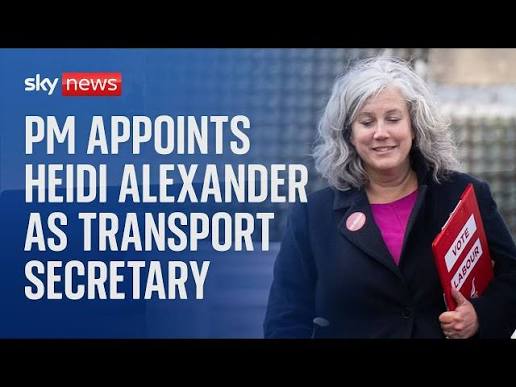
The United Kingdom’s transport sector is undergoing a critical transformation under the leadership of Heidi Alexander. As the current Secretary of State for Transport, Alexander has emerged as a central figure in reshaping how Britain moves—by road, rail, and air.
Her latest policy initiatives highlight a clear shift toward integration, resilience, and affordability. From addressing aviation disruptions to launching long-term strategies like “Better Connected,” Alexander’s approach reflects both immediate crisis management and structural reform.
As the UK navigates global uncertainty, including energy pressures and infrastructure challenges, her transport push has sparked widespread political, industry, and public reactions.
Who Is Heidi Alexander?
Heidi Alexander is a senior Labour politician who assumed the role of Transport Secretary in November 2024. With previous experience as Deputy Mayor of London for Transport, she brings a deep understanding of urban mobility and infrastructure planning.
Her leadership style emphasizes:
- Public accountability
- Integrated transport systems
- Long-term economic growth
Her policies today are rooted in both practical governance and strategic vision.
The “Better Connected” Strategy: A Defining Moment
At the heart of Alexander’s policy push is the government’s “Better Connected” transport strategy, launched in April 2026.
Core Vision
The strategy aims to create a system that is:
- Safe
- Reliable
- Affordable
- Accessible
It seeks to address long-standing fragmentation in the UK transport network.
Key Priorities
The plan outlines eight major priorities, including:
- Simplified ticketing and payment systems
- Improved accessibility across regions
- Better integration between transport modes
- Increased use of data and technology
The overarching goal is to ensure that transport works “for people, no matter their need or background.”
Aviation Policy Shift: Preparing for Disruption
One of the most immediate developments under Alexander’s leadership is the government’s response to potential jet fuel shortages.
What’s Changing?
Airlines are now being allowed to:
- Cancel flights in advance
- Consolidate schedules
- Avoid operating near-empty planes
These temporary measures aim to prevent last-minute chaos at airports.
Why It Matters
Global tensions, particularly affecting oil supply routes, have created uncertainty in jet fuel availability.
To address this, the UK government is:
- Monitoring fuel supply daily
- Working with airlines and airports
- Encouraging proactive planning
Impact on Passengers
While disruptions are possible, the goal is to provide:
- Greater predictability
- Reduced airport congestion
- Fewer sudden cancellations
Transport officials emphasize that there is currently no immediate fuel shortage, but preparation is key.
Rail Reform: Integration and Public Ownership
Another pillar of Alexander’s transport push is rail reform, including the transition toward public ownership.
Key Developments
- Expansion of government-controlled rail operations
- Creation of Great British Railways (GBR)
- Gradual transfer of private operators into public hands
This reform aims to reduce fragmentation and improve service reliability.
Policy Direction
The government is focusing on:
- Unified management
- Improved punctuality
- Long-term investment planning
The shift marks a significant departure from decades of privatization.
HS2 and Cost Control Measures
The High Speed 2 (HS2) project remains a major focus—but also a challenge.
Current Issues
- Rising costs
- Delays
- Public scrutiny
Government Response
Alexander has supported proposals to:
- Reduce train speeds
- Cut project costs
- Accelerate delivery timelines
This reflects a broader emphasis on value for money over speed alone.
Road Infrastructure and Public Pressure
Road conditions have also become a political flashpoint.
Pothole Crisis
A widely reported incident involving Alexander herself highlighted the issue of poor road maintenance.
She has since:
- Prioritized road investment
- Pressured local councils to improve performance
- Linked funding to maintenance outcomes
This has resonated strongly with the public, as road quality affects daily life across the UK.
Balancing Climate Goals and Economic Growth
Transport policy today sits at the intersection of:
- Climate commitments
- Economic development
Challenges
- Reducing emissions
- Managing costs
- Supporting industry
Alexander has taken a pragmatic approach, acknowledging that:
- Full rail electrification is currently unaffordable
- Investment must be targeted and realistic
This stance has drawn both support and criticism.
Public and Political Reaction
Supporters Say
- Policies are practical and forward-looking
- Integration will improve user experience
- Crisis planning shows strong leadership
Critics Argue
- Some reforms lack clarity
- Funding constraints limit ambition
- Environmental goals may be compromised
The debate reflects broader tensions in UK policymaking.
Economic Impact of Transport Reforms
Transport is a key driver of economic growth.
Potential Benefits
- Improved connectivity boosts productivity
- Better infrastructure attracts investment
- Efficient systems reduce business costs
Regional Development
The “Better Connected” strategy aims to:
- Strengthen regional economies
- Reduce inequalities
- Support local communities
Technology and the Future of Transport
Innovation is central to Alexander’s vision.
Key Areas
- Digital ticketing
- Real-time travel data
- Smart infrastructure
These advancements aim to create a more seamless travel experience.
International Context
The UK’s transport policy does not exist in isolation.
Global Pressures
- Energy market volatility
- Climate agreements
- Technological competition
Alexander’s policies reflect the need to adapt to these global trends while maintaining domestic stability.
What This Means for UK Travelers
For everyday passengers, the changes could mean:
Short-Term
- Possible flight adjustments
- Continued infrastructure challenges
Long-Term
- More reliable journeys
- Simplified travel systems
- Better regional connectivity
Future Outlook
Looking ahead, key questions remain:
- Can the government balance cost and ambition?
- Will rail reform deliver tangible improvements?
- How will global factors shape domestic policy?
Alexander’s transport push is still evolving, but its impact will likely shape the UK’s mobility landscape for years to come.
Conclusion
The Heidi Alexander transport policy push represents a pivotal moment for the UK. By combining immediate crisis response with long-term strategic planning, the government is attempting to modernize a complex and often fragmented system.
While challenges remain, the direction is clear: a more integrated, resilient, and user-focused transport network.
As public debate continues, one thing is certain—transport policy is now at the center of the UK’s economic and political future.
FAQs
1. Who is Heidi Alexander?
Heidi Alexander is the UK Secretary of State for Transport, serving since November 2024.
2. What is the “Better Connected” strategy?
It is a government plan to create a more integrated, reliable, and accessible transport system across England.
3. Why are UK airlines changing schedules?
To prepare for potential jet fuel shortages and avoid last-minute disruptions.
4. What is happening with UK railways?
The government is moving toward public ownership and creating Great British Railways.
5. Is HS2 being canceled?
No, but adjustments are being made to reduce costs and improve delivery timelines.
6. Will transport improve for passengers?
The goal is to provide more reliable, affordable, and connected travel in the long term.
How useful was this post?
Click on a star to rate it!
Average rating 0 / 5. Vote count: 0
No votes so far! Be the first to rate this post.
About the Author

usa5911.com
Administrator
Hi, I’m Gurdeep Singh, a professional content writer from India with over 3 years of experience in the field. I specialize in covering U.S. politics, delivering timely and engaging content tailored specifically for an American audience. Along with my dedicated team, we track and report on all the latest political trends, news, and in-depth analysis shaping the United States today. Our goal is to provide clear, factual, and compelling content that keeps readers informed and engaged with the ever-changing political landscape.