Katharine Birbalsingh Clash: Education Debate, Strict Schools, UK Reacts
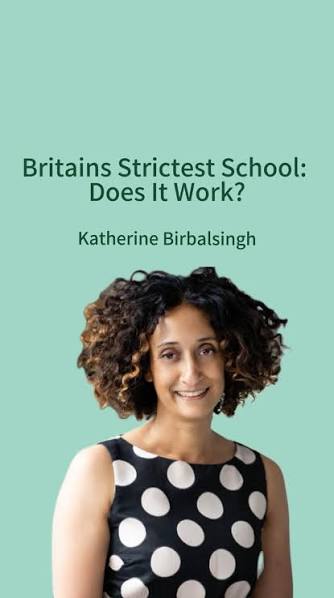
The UK education system is once again at the center of a heated national debate—this time driven by the outspoken views of Katharine Birbalsingh, often referred to as “Britain’s strictest headteacher.” Known for her uncompromising approach to discipline and high academic expectations, Birbalsingh has sparked intense discussion across political, academic, and public circles.
From policy clashes with government officials to criticism of modern teaching trends, the debate reflects deeper questions: Should schools be stricter? Are traditional methods better for student success? And what does “good education” really mean in 2026?
This article explores the full picture—Birbalsingh’s philosophy, the controversies surrounding her, reactions across the UK, and the broader implications for education policy.
Who Is Katharine Birbalsingh?
Katharine Birbalsingh is a British teacher, author, and founder of Michaela Community School, one of the UK’s most talked-about schools.
She built her reputation by advocating for:
- Strict discipline
- Traditional teaching methods
- Knowledge-rich curriculums
- High expectations regardless of background
Her school, established in 2014, has consistently delivered strong academic results, particularly for disadvantaged students.
Birbalsingh’s rise to prominence also includes her role as former chair of the Social Mobility Commission and her influence in shaping conservative education discourse.
The “Strict Schools” Philosophy Explained
At the heart of the debate lies Birbalsingh’s strict school model, often described as “no excuses” education.
Key Features of Her Approach
1. Discipline First
Students are expected to follow precise behavioral rules—silent corridors, strict uniform policies, and immediate consequences for disruptions.
2. Knowledge Over Trends
Birbalsingh emphasizes traditional academic content—Shakespeare, classical literature, and core subjects—over modern “thematic” or identity-based curricula.
3. High Expectations for All
She argues that disadvantaged students benefit most from structure and rigor, rejecting the idea that standards should be lowered for equity.
4. Minimal Technology Use
She has advocated restricting smartphones, claiming they harm focus and academic performance.
The Recent Clash: What Happened?
The latest controversy stems from a series of public disagreements between Birbalsingh and UK policymakers, particularly around education reform proposals.
One flashpoint involved tensions with Education Secretary Bridget Phillipson, where discussions reportedly became heated during meetings about limiting academy freedoms.
Birbalsingh criticized the proposals as ideologically driven and harmful to successful schools like hers. She argued that reducing autonomy would undermine discipline and academic standards.
Another recent incident involved her claims of being disinvited from a university debate, fueling further discussion about free speech and ideological divides in education.
The Core Debate: Traditional vs Progressive Education
Traditional Approach (Birbalsingh’s View)
- Focus on discipline and authority
- Teacher-led instruction
- Core knowledge and cultural literacy
- Limited focus on identity politics
Progressive Approach (Critics’ View)
- Emphasis on inclusivity and student voice
- Flexible teaching styles
- Diverse curriculum representation
- Focus on wellbeing and mental health
This clash reflects a broader cultural divide in UK education policy.
Key Controversies Fueling the Debate
1. Curriculum Content
Birbalsingh has criticized efforts to diversify school curriculums, arguing they sometimes replace academic rigor with ideology.
Critics counter that inclusive curriculums better reflect modern society and support marginalized students.
2. Discipline vs Wellbeing
Supporters say strict discipline creates safe, focused environments.
Opponents argue it can be overly rigid and stressful for students.
3. Academy Freedoms
Birbalsingh strongly supports academy independence, believing schools perform better without government micromanagement.
The government, however, has proposed more oversight to ensure consistency and fairness.
4. Cultural and Political Influence
Birbalsingh has openly criticized what she calls “woke culture” in schools, arguing it distracts from academic goals.
This has made her a polarizing figure—praised by conservatives, criticized by progressives.
UK Reactions: Divided Opinions
Supporters Say:
- Strict schools improve results
- Discipline benefits disadvantaged students
- Traditional methods provide clarity and structure
Many parents and policymakers point to Michaela’s success as evidence that the model works.
Critics Argue:
- The approach is too rigid
- It may suppress creativity and individuality
- It ignores emotional and social development
Some educators warn that strict discipline alone cannot address deeper inequalities.
Media and Public Discourse
The Birbalsingh debate has dominated UK headlines, with strong opinions across media platforms.
Her speeches, interviews, and social media posts frequently go viral, sparking discussions about:
- Free speech in education
- Political influence in schools
- The purpose of education in modern society
Impact on UK Education Policy
The clash is not just theoretical—it could shape future policies.
Potential Outcomes:
1. Increased Focus on Discipline
More schools may adopt stricter behavior policies.
2. Curriculum Reforms
Debates over traditional vs inclusive content may influence national guidelines.
3. Academy System Changes
Government decisions on school autonomy could redefine how schools operate.
4. Teacher Training Shifts
Training programs may increasingly reflect this ideological divide.
Why This Debate Matters Globally
Although centered in the UK, the Birbalsingh debate reflects global education trends.
Countries worldwide are grappling with similar questions:
- Should schools prioritize discipline or flexibility?
- How should curriculums evolve in diverse societies?
- What balance should exist between tradition and innovation?
The Future of Strict Schools
Will strict schools become the norm or remain controversial outliers?
The answer likely lies somewhere in between.
Many experts suggest a hybrid model:
- Strong discipline + emotional support
- Traditional knowledge + modern relevance
- High expectations + inclusive environments
Conclusion
The clash involving Katharine Birbalsingh is more than a personal controversy—it’s a reflection of a deeper ideological divide shaping the future of education.
Her strict school model has proven results, but it also raises challenging questions about balance, inclusivity, and the purpose of schooling.
As the UK continues to debate, one thing is clear: education is no longer just about classrooms—it’s about culture, politics, and the kind of society we want to build.
FAQs
1. Who is Katharine Birbalsingh?
Katharine Birbalsingh is a British headteacher and education reform advocate known for founding Michaela Community School and promoting strict discipline in education.
2. Why is she called the “strictest headteacher”?
She enforces rigorous rules on behavior, uniform, and academic standards, creating a highly structured school environment.
3. What is the main controversy around her?
The debate centers on her criticism of progressive education policies and her clashes with government officials over school reforms.
4. Do strict schools improve results?
Supporters argue they do, citing strong academic outcomes, while critics say results depend on multiple factors beyond discipline.
5. What is Michaela Community School?
It is a London-based free school founded by Birbalsingh, known for its strict rules and high academic performance.
6. What are academy schools?
Academies are state-funded schools in England that operate independently of local authority control.
7. Why is curriculum content debated?
There is disagreement over whether schools should focus on traditional subjects or include more diverse and inclusive perspectives.
8. How has the UK government responded?
The government has proposed reforms to increase oversight, which Birbalsingh opposes.
9. Is this debate unique to the UK?
No, similar debates about discipline and curriculum exist worldwide.
10. What’s next for UK education?
Ongoing discussions may lead to policy changes, blending strict discipline with modern educational approaches.
How useful was this post?
Click on a star to rate it!
Average rating 0 / 5. Vote count: 0
No votes so far! Be the first to rate this post.
About the Author

usa5911.com
Administrator
Hi, I’m Gurdeep Singh, a professional content writer from India with over 3 years of experience in the field. I specialize in covering U.S. politics, delivering timely and engaging content tailored specifically for an American audience. Along with my dedicated team, we track and report on all the latest political trends, news, and in-depth analysis shaping the United States today. Our goal is to provide clear, factual, and compelling content that keeps readers informed and engaged with the ever-changing political landscape.