The United States aviation industry is facing a major operational challenge after a nationwide Federal Aviation Administration (FAA) ground stop disrupted thousands of flights. Although authorities lifted the restriction, the crisis did not end when aircraft were allowed to resume departures. Instead, airports across the country faced another serious problem: ground saturation.
Grounded US flights created a chain reaction across airport terminals, runways, taxiways and aircraft parking areas. Planes waiting to depart, incoming aircraft searching for available gates, delayed passengers and disrupted airline schedules placed enormous pressure on airport infrastructure.
The situation became particularly difficult at major aviation hubs, where limited parking positions and gate availability made it harder for airlines to restore normal operations. Some aircraft remained on the tarmac, while others faced diversions or extended waits before passengers could disembark.
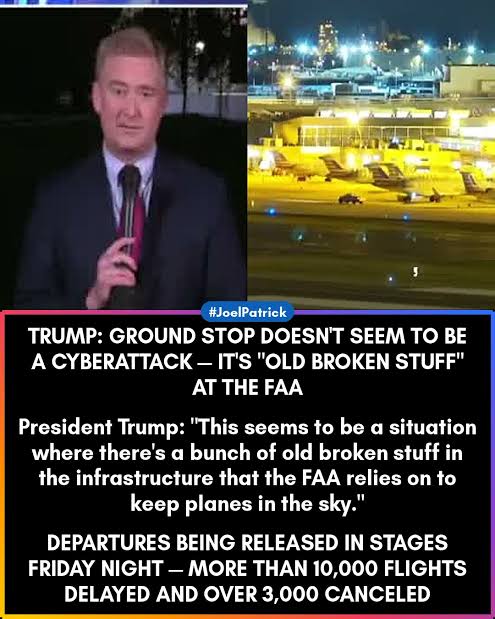
The disruption also exposed weaknesses in the country’s aging air traffic control infrastructure. Transportation officials acknowledged that communications and radar problems contributed to the nationwide shutdown.
While the FAA eventually reopened US airspace, airlines continued dealing with the consequences. The incident demonstrated how quickly a technical failure can develop into a nationwide aviation crisis.
Grounded US Flights Trigger Airport Gate Saturation

The nationwide ground stop on November 13, 2026, created an extraordinary situation for airports throughout the United States.
The FAA ordered departing flights to remain on the ground because of communications problems affecting air traffic control facilities. The restriction lasted more than four hours, with the agency lifting the nationwide order at approximately 8:15 p.m. Eastern Time.
However, restarting departures was not as simple as allowing aircraft to use the runways again.
Thousands of aircraft and passengers had already been affected. Airlines needed to reorganize departure schedules, locate available aircraft, reposition flight crews and manage passengers whose journeys had been interrupted.
As a result, airports experienced significant congestion.
Airport gates are limited resources. Each gate accommodates an aircraft for a particular period while passengers board, disembark, and ground crews complete servicing operations.
When flights operate normally, airlines coordinate these activities through carefully planned schedules.
A nationwide shutdown disrupts that balance.
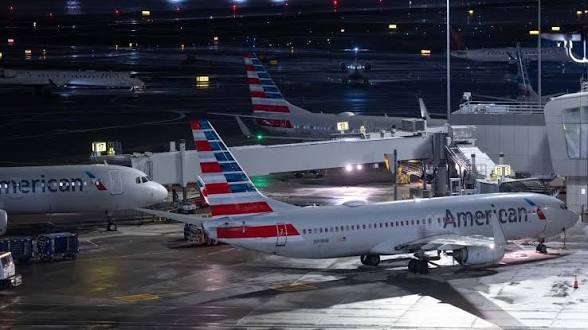
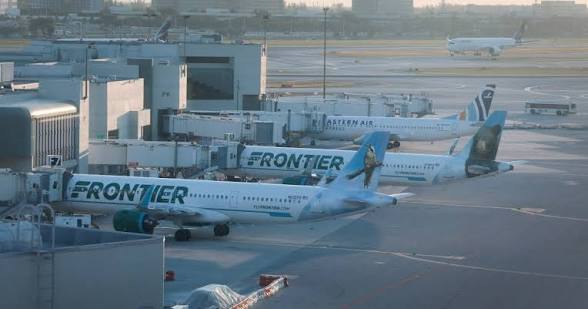
Aircraft that should have departed remain parked at gates. Incoming planes need somewhere to park after landing. Delayed departures occupy positions that other aircraft were scheduled to use.
This creates a difficult operational cycle.
The longer aircraft remain on the ground, the harder it becomes for airports to accommodate additional arrivals and departures.
Why Airport Gates Became a Major Problem
Airport gate saturation occurs when available aircraft parking positions become insufficient to handle the number of planes requiring access.
This problem becomes especially serious at large airports with heavy passenger traffic.
Major hubs such as Chicago O’Hare, New York LaGuardia and Washington-area airports handle substantial volumes of domestic and connecting flights.
When a nationwide ground stop interrupts operations, these airports can quickly experience pressure on their available infrastructure.
Reports indicated that Ronald Reagan Washington National Airport reached capacity during the disruption, while Chicago O’Hare was approaching its limits.
The problem was not simply a shortage of gates.
Airports also had to manage aircraft occupying taxiways, ramp areas and other designated parking positions.
A plane arriving at an airport needs a suitable location to stop. If its assigned gate is occupied, airport personnel must find another available position.
Sometimes aircraft must wait on taxiways or designated holding areas.
In other situations, airlines may decide to divert incoming flights to another airport.
These decisions can create additional complications because diverted aircraft still need passengers, crew members, fuel and ground support.
Consequently, grounded US flights placed pressure on almost every part of airport operations.
FAA Ground Stop Created a Nationwide Chain Reaction
The FAA’s decision to halt departures was taken for safety reasons.
On November 13, officials reported communications and radar instability affecting air traffic control operations.
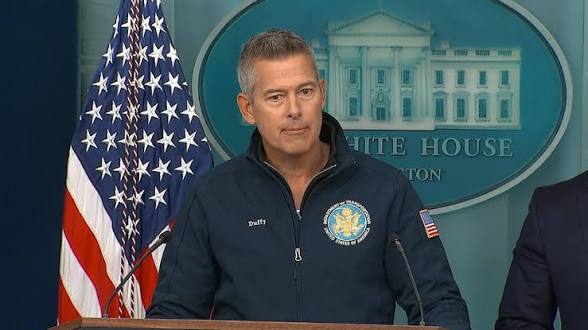
Transportation Secretary Sean Duffy explained that outdated switches and routers had become overloaded with data, contributing to the system problems.
The technical disruption affected communications across multiple air route traffic control centers.
These facilities coordinate aircraft traveling between airports and help maintain safe separation between planes.
Without reliable communications and radar information, aviation authorities face serious operational challenges.
The FAA therefore chose to restrict departures rather than allow normal traffic to continue under uncertain conditions.
Aircraft already flying were generally allowed to continue to their destinations and land safely.
However, thousands of scheduled departures were interrupted.
According to reporting by the Associated Press, the shutdown became the longest nationwide ground stop in approximately 25 years.
The restriction was eventually lifted, but its effects continued into Saturday.
This distinction is important.
A ground stop can end within hours, while the operational recovery may take considerably longer.
Thousands of Cancellations Added Pressure on Airports
The scale of the disruption was reflected in the growing number of canceled and delayed flights.
Reuters reported that more than 3,700 US flights were canceled and approximately 2,000 delayed on Saturday, November 14, as airlines continued recovering from the shutdown.
The previous day’s disruption had already produced thousands of cancellations and delays.
These figures demonstrated that the problem extended beyond the hours when the FAA restriction remained active.
Airlines operate interconnected networks. A flight scheduled between two cities often depends on an aircraft arriving from another location.
When that aircraft is delayed, the next departure may also be affected.
The same problem applies to flight crews.
Pilots and flight attendants must remain within regulated duty limits. If disruptions prevent them from reaching their next assignments, airlines may struggle to operate scheduled services.
For example, an aircraft scheduled to depart Chicago may still be waiting at another airport.
Even if the Chicago airport has reopened, the airline cannot operate the flight without the aircraft and its assigned crew.
This creates a domino effect.
One delayed flight can affect several later services, increasing airport congestion and making recovery more complicated.
Passengers Face Long Airport Waiting Times
For travelers, the airport gate saturation crisis has created confusion, frustration and uncertainty.
Passengers arriving at airports expected to board flights have instead faced cancellations, changing departure times and limited information.
Some travelers were already inside aircraft when the ground stop disrupted their journeys.
Others waited for hours before receiving updates from airline representatives.
The Associated Press reported passengers experiencing extended waits at airports, including travelers who remained aboard aircraft after landing because gates were unavailable.
These situations illustrate how airport congestion affects more than departure schedules.
Passengers cannot always leave an aircraft immediately after landing.
The aircraft may need to wait until another plane vacates its assigned gate.
When multiple flights arrive around the same time, the pressure on airport ground operations becomes even greater.
Families, business travelers, students and passengers with connecting flights may all experience unexpected delays.
Some travelers may also need additional hotel accommodation, meals and alternative transportation.
The financial impact can become significant, particularly when passengers have connecting flights or time-sensitive commitments.
Aircraft Diversions Make the Situation More Complicated
Flight diversions are another important consequence of airport congestion.
A diverted aircraft lands somewhere other than its originally scheduled destination.
Airlines may choose this option when the destination airport cannot accommodate additional arrivals or when operational conditions prevent the aircraft from completing its planned journey.
During the November 13 disruption, aviation analytics firm Cirium reported at least 827 diversions by approximately 7:05 p.m. Eastern Time.
Of those aircraft, around 670 returned to their departure airports, while 157 landed elsewhere.
These diversions helped airlines and aviation authorities manage the disruption.
However, they also created additional work for airport personnel.
Every diverted aircraft requires ground handling, passenger assistance and coordination with airline operations teams.
Passengers may need to arrange new connections or wait for replacement flights.
Aircraft may also become temporarily unavailable for their next scheduled journeys.
This creates another challenge for airlines attempting to restore their networks.
The aircraft that lands at an alternative airport may not be positioned where the airline needs it.
Consequently, airlines must carefully coordinate aircraft movements before normal operations can resume.
Aging Aviation Infrastructure Raises Serious Questions
The nationwide ground stop has renewed concerns about the condition of America’s air traffic control infrastructure.
The United States operates one of the world’s busiest aviation systems. However, parts of its communications and air traffic control equipment have been operating for many years.
Modern aviation requires reliable communication between pilots, controllers and airport operations teams.
It also depends on accurate radar information and dependable backup systems.
The November disruption raised questions about whether existing equipment can handle the growing demands of modern air traffic.
Transportation officials said overloaded switches and routers contributed to the communications problems.
Officials also discussed possible compatibility issues involving older equipment and newer technology being introduced into the system.
The incident highlighted the importance of carefully managing technology upgrades.
Introducing modern systems is necessary, but new equipment must work reliably with existing infrastructure.
A failure in one part of the network can affect operations across multiple locations.
The crisis has therefore strengthened calls for additional investment in air traffic control modernization.
Sean Duffy Faces Pressure to Modernize the System
Transportation Secretary Sean Duffy has emphasized the need to improve America’s aviation infrastructure.
Following the disruption, Duffy called for substantial investment to modernize the nation’s air traffic control system.
He warned that the existing equipment needs significant upgrades to prevent similar problems.
The modernization effort includes replacing outdated communications equipment, improving radar capabilities and strengthening the infrastructure used by air traffic controllers.
These improvements are important because aviation demand continues to grow.
Airports must manage increasing passenger numbers while maintaining safe and efficient operations.
However, infrastructure modernization takes time.
Equipment must be installed, tested and integrated without creating additional operational risks.
Air traffic controllers also require training on updated systems.
The latest shutdown has placed these long-term challenges back in the national spotlight.
It has also raised questions about funding, project management and the speed of modernization.
Why Airlines Cannot Restore Normal Flights Immediately
Many passengers may assume that flights should return to normal as soon as the FAA lifts a ground stop.
Unfortunately, airline operations are more complicated.
Airlines must restore several connected parts of their networks.
First, they need to determine which aircraft are available and where those aircraft are located.
Second, they must identify available pilots and flight attendants.
Third, airlines need to reorganize departure schedules based on airport capacity.
Finally, they must accommodate passengers whose original flights were canceled.
These steps cannot always happen simultaneously.
For example, an airline may have an available aircraft but lack a crew to operate it.
Another airline may have enough crew members but face a shortage of available gates.
Airport congestion can also prevent aircraft from moving efficiently between terminals and runways.
This explains why passengers may continue experiencing disruptions even after the technical issue has been addressed.
Airlines must gradually rebuild their schedules while avoiding further operational problems.
Thanksgiving Travel Could Increase Concerns
The timing of the disruption is particularly important.
The United States is approaching the Thanksgiving travel period, one of the busiest times of the year for domestic air travel.
Millions of passengers typically travel to visit relatives, attend celebrations and take vacations.
Airlines must therefore restore operational stability before passenger demand increases further.
The recent ground stop has created concerns about the industry’s ability to handle another major period of travel.
If aircraft and crews remain out of position, airlines could face additional scheduling challenges.
Airport gate saturation may also become more difficult to manage when passenger numbers increase.
However, officials have expressed confidence that the aviation system can recover before the Thanksgiving rush.
The coming days will be important in determining how effectively airlines and airports restore normal operations.
What Travelers Should Do During Continuing Flight Disruptions
Passengers with upcoming US flights should take several precautions while airlines continue recovering.
Check flight status regularly.
Airline websites and mobile applications provide updated information about departure times, cancellations and gate changes.
Passengers should avoid relying exclusively on the original boarding time printed on their tickets.
Keep airline notifications enabled.
Airlines may send important updates through text messages, emails and mobile applications.
These notifications can help passengers respond quickly when schedules change.
Contact the airline before leaving for the airport.
Travelers should confirm whether their flight is operating before beginning their journey.
This can prevent unnecessary waiting at crowded terminals.
Understand rebooking options.
Passengers whose flights are canceled should review the airline’s rebooking policies.
Depending on the circumstances, an airline may offer another flight or other assistance under its applicable policies.
Allow additional travel time.
Even when a flight is operating, crowded airport facilities and longer queues may create additional delays.
Passengers should remain flexible and keep essential travel documents accessible.
Can Airport Gate Saturation Affect Flight Safety?
Airport congestion does not automatically mean that flying has become unsafe.
Airports and airlines operate under established safety procedures.
Air traffic controllers, airport personnel and airline operations teams coordinate aircraft movements to maintain safe conditions.
When capacity becomes limited, authorities can reduce the number of arriving or departing aircraft.
They may also introduce ground delays, holding procedures or diversions.
These measures help prevent unsafe congestion.
The FAA’s decision to halt departures during the November 13 communications disruption reflected this safety-first approach.
Officials said aircraft already in the air were safely accounted for and allowed to land.
However, maintaining safe operations can require substantial delays.
This is why passengers may experience longer waiting times even after airports reopen.
Safety procedures take priority over maintaining the original flight schedule.
The Bigger Challenge Facing US Aviation
The latest crisis highlights a broader issue facing the American aviation industry.
Airports, airlines and air traffic control facilities depend on each other.
A problem affecting one part of the system can quickly spread across the country.
A communications failure can lead to flight restrictions.
Flight restrictions can create aircraft backlogs.
Aircraft backlogs can occupy airport gates.
Gate shortages can delay incoming flights.
Those delays can then disrupt airline schedules and passenger connections.
This interconnected system makes aviation extremely efficient under normal conditions, but it also creates challenges during major disruptions.
The November ground stop demonstrated how quickly these problems can develop.
It also showed why airports need sufficient capacity, reliable communications and effective contingency plans.
Future modernization projects will need to address these issues together rather than treating them as separate problems.
Conclusion: Grounded US Flights Reveal Airport Capacity Challenges
The ground saturation crisis has exposed the wider consequences of the November 13 nationwide FAA ground stop.
Although authorities lifted the restriction, the disruption continued as airlines struggled to reposition aircraft, restore schedules and accommodate stranded passengers.
Airport gates became an important part of the recovery challenge.
Limited parking positions, delayed departures, diverted arrivals and unavailable aircraft created additional pressure on major US airports.
The incident also renewed concerns about aging aviation infrastructure and the need for reliable communications systems.
As Thanksgiving travel approaches, airlines and airport operators face an important test.
They must restore normal operations while maintaining safety and managing passenger demand.
The latest crisis is a reminder that reopening the skies is only the first step. Restoring the entire aviation network requires time, coordination and investment.
About the Author