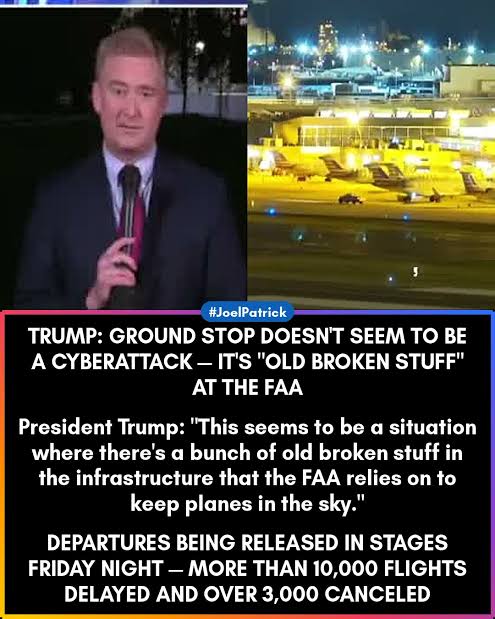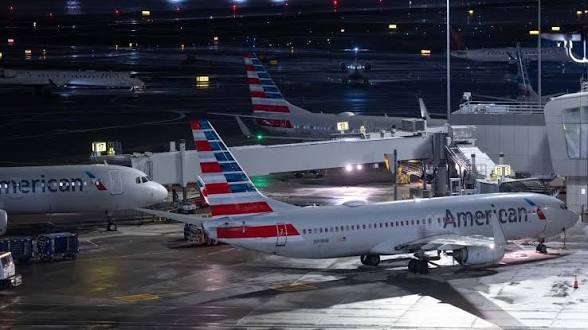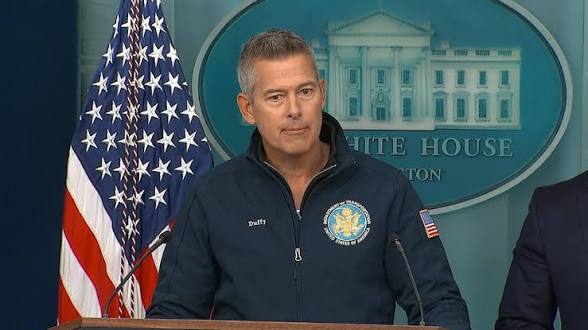
The FAA ground stop has been lifted, allowing departing flights across the United States to resume after a major telecommunications failure disrupted air travel nationwide. Transportation Secretary Sean Duffy confirmed that US airspace reopened at 8:15 p.m. Eastern Time on Friday, November 13, following several hours of unprecedented disruption.
The Federal Aviation Administration (FAA) had ordered a nationwide ground stop after experiencing instability in radar and communications systems used by air traffic control facilities. The emergency measure forced airlines to suspend departures while officials worked to protect passengers and maintain aviation safety.
Although the immediate technical problem was addressed, the impact on American air travel did not end when the FAA lifted its restrictions. Thousands of flights were delayed or canceled, aircraft were left out of position, and passengers faced long waits at airports across the country.
Duffy warned that restoring normal flight operations would take time. Airlines needed to reorganize aircraft, crews and passenger schedules following the disruption.
The incident has also renewed concerns about America’s aging air traffic control infrastructure and the urgent need for modernization.
FAA Ground Stop Lifted After Nationwide Aviation Disruption
The nationwide ground stop began on Friday afternoon, November 13, after the FAA identified serious instability affecting communications between air traffic control facilities.
The agency issued its emergency notice at approximately 3:54 p.m. Eastern Time. It instructed airports across the country to stop departing traffic because of extraordinary circumstances and safety concerns.
The decision affected commercial aviation operations at airports throughout the United States.
Rather than allowing departures to continue while communication systems experienced instability, officials chose to pause flights. This precaution helped air traffic controllers maintain control over aircraft movements during an uncertain technical situation.
According to Transportation Secretary Sean Duffy, the problem began around 3:36 p.m. Eastern Time.
The disruption involved air traffic control centers and Terminal Radar Approach Control facilities, commonly known as TRACONs. These facilities play an important role in managing aircraft movements around airports and across the national airspace system.
The FAA eventually lifted the nationwide restriction at 8:15 p.m. Eastern Time.
However, reopening the airspace did not mean every airport could immediately return to normal operations.
Duffy explained that airlines would need time to move aircraft, organize flight crews and address the backlog of disrupted journeys.
Sean Duffy Confirms US Airspace Reopening
Transportation Secretary Sean Duffy addressed the emergency during a White House briefing on Friday evening.
He confirmed that the FAA had reopened American airspace after officials worked to resolve the immediate technical issue.
Duffy also warned passengers that flight operations would recover gradually.
The transportation secretary explained that airlines could not simply restart every scheduled departure at once. Aircraft and crew members were already affected by the shutdown, while airports were dealing with growing passenger numbers.
Airlines also needed to determine which flights could safely depart first.
Duffy said officials were working with airline partners to restore operations as quickly as possible.
He expressed confidence that the aviation system could recover ahead of the Thanksgiving travel rush later in November.
Nevertheless, his comments made clear that passengers should expect continuing disruptions in the immediate aftermath.
The FAA also confirmed that it had tested its systems before allowing departures to resume.
That testing was important because aviation authorities needed confidence that radar and communications systems were stable enough to support normal flight operations.
What Caused the FAA Ground Stop?
The main issue involved a telecommunications failure affecting the FAA’s air traffic control network.
Duffy attributed the problem to aging technology and overloaded network equipment.
According to his explanation, switches and routers became overwhelmed by data. This produced inconsistent information within the systems supporting radar and communications operations.
Air traffic controllers depend on reliable information to coordinate aircraft movements.
When communications and radar information becomes unstable, controllers may struggle to maintain the normal flow of traffic safely.
The FAA therefore decided to stop departures nationwide as a precaution.
Duffy explained that the agency did not completely lose all radar or communications capabilities. However, the inconsistencies created enough concern to justify the emergency shutdown.
The incident exposed weaknesses in infrastructure that supports thousands of flights across the country every day.
It also raised questions about whether existing backup systems can adequately handle major technical failures.
Aging Technology Raises Fresh Concerns
The United States operates one of the world’s busiest aviation networks.
Its air traffic control system connects airports, regional control centers, communication networks and radar facilities.
However, parts of this infrastructure rely on older technology that requires significant investment and modernization.
Officials have repeatedly warned about outdated equipment, telecommunications problems and staffing shortages.
A Government Accountability Office assessment published in 2024 identified serious sustainability concerns across many FAA air traffic control systems.
The November outage has brought those concerns back into the spotlight.
Even relatively short technical failures can create enormous consequences when they affect interconnected aviation networks.
The latest incident demonstrates why reliable communications, modern equipment and effective backup systems are essential for aviation safety.
Thousands of Flights Face Delays and Cancellations
Although the FAA ground stop has been lifted, passengers continue to face the consequences.
The nationwide shutdown disrupted airline schedules at a particularly busy time for American aviation.
According to flight-tracking reports, more than 10,000 delays and thousands of cancellations were recorded during Friday’s disruption.
The exact numbers changed as airlines updated their schedules and adjusted operations.
Major carriers, including Delta Air Lines, American Airlines and United Airlines, experienced significant disruption.
Airports in major cities also faced crowded terminals and long passenger queues.
Travelers reported waiting for updates as airlines worked to determine when their flights could depart.
Some passengers had already boarded aircraft when the shutdown began. Others were waiting at departure gates or had arrived at airports expecting their scheduled journeys to operate normally.
The disruption affected both domestic and international travel.
International flights were handled on a case-by-case basis, with some departures receiving permission to continue.
However, the wider disruption created difficulties for passengers connecting through American airports.
Why Flight Delays Continue After Reopening
A common question among passengers is why flights remain delayed after the FAA lifts a ground stop.
The answer involves the complicated structure of airline operations.
Airlines do not operate each flight independently. Their schedules depend on aircraft, pilots, cabin crew, airport gates and connecting passengers.
When one flight is delayed, several other journeys can also be affected.
For example, an aircraft scheduled to fly from New York to Chicago may be needed for a later departure from Chicago to another destination.
If the first journey is delayed, the second flight may also face disruption.
Crew availability creates another challenge.
Pilots and flight attendants have regulated working hours. If a shutdown delays their schedules, some may reach their permitted duty limits before completing their assigned journeys.
Airlines may then need replacement crews.
These interconnected problems explain why the effects of a nationwide ground stop can continue for several days.
Major Airlines Work to Restore Flight Operations
American airlines have begun working to restore normal services following the FAA announcement.
Delta, United and American Airlines were among the major carriers dealing with widespread delays and cancellations.
Their immediate priority is to move passengers safely while reorganizing aircraft and crew schedules.
Airlines may prioritize certain routes depending on passenger demand, aircraft availability and operational requirements.
They also need to reposition aircraft that could not complete their original journeys.
For passengers, this means that a flight showing as scheduled may still experience a delay.
Airline apps and airport departure boards remain important sources of information.
Travelers should avoid assuming that the reopening announcement guarantees an immediate departure.
What Passengers Should Do
Passengers affected by the FAA ground stop should take several practical steps.
1. Check flight status regularly.
Use the airline’s official website or mobile application to confirm departure times and cancellation updates.
2. Contact the airline before leaving for the airport.
A flight may have changed even if the original booking confirmation shows the previous schedule.
3. Review rebooking options.
Passengers whose flights were canceled should check available alternative departures.
4. Keep travel documents accessible.
Booking confirmations, identification and airline notifications can help speed up customer service requests.
5. Allow extra time at airports.
Long queues and crowded terminals may continue while airlines clear the backlog.
6. Monitor connecting flights.
A delayed first flight can affect onward travel, hotel arrangements and other reservations.
The most important advice is to rely on confirmed airline updates rather than assuming that all services have returned to normal.
Was the FAA Outage Caused by a Cyberattack?
The possibility of a cyberattack attracted attention after the nationwide shutdown.
Whenever critical infrastructure experiences a major technical failure, questions about cybersecurity are inevitable.
However, officials said there was no evidence at the time that a cyberattack caused the incident.
Homeland Security Secretary Markwayne Mullin addressed the issue during the White House briefing.
He said investigators had not identified evidence of a deliberate attack, although officials were examining the circumstances surrounding the outage.
The initial explanation pointed toward a telecommunications and equipment failure.
The problem appeared to involve overloaded routers and switches within the older air traffic control network.
Officials also discussed the possibility of mechanical or technical issues associated with the system.
It is important to distinguish between a confirmed cause and an ongoing investigation.
As of November 14, the available public information does not establish that hackers or artificial intelligence systems caused the shutdown.
Further technical investigation will be necessary to determine exactly why the network became unstable.
FAA Modernization Becomes a Major Political Issue
The nationwide ground stop has increased pressure on the federal government and Congress to modernize America’s air traffic control system.
Duffy has repeatedly highlighted the need for investment in aviation infrastructure.
Following the outage, he called for approximately $50 billion to modernize the country’s air traffic control technology.
The administration had also sought additional funding for airport and aviation infrastructure before the shutdown occurred.
The modernization effort includes replacing older telecommunications equipment and improving the systems used to manage aircraft movements.
Congress previously approved $12.5 billion in funding for air traffic control modernization in 2025.
However, officials and aviation experts have warned that replacing individual components is not enough.
A modern aviation network requires coordinated investment in communications, radar, software, equipment and backup infrastructure.
Why Modernization Matters
Air traffic control systems are essential to the safe operation of commercial aviation.
Controllers use radar information and communication equipment to coordinate aircraft movements and maintain appropriate separation between planes.
If those systems become unreliable, flight operations may need to slow down or stop.
Modern infrastructure can improve reliability, provide stronger backup capabilities and reduce dependence on aging equipment.
It can also help air traffic facilities exchange information more efficiently.
The November outage demonstrates that modernization is not simply a question of convenience.
It is an important investment in the reliability of the national transportation network.
Could the FAA Ground Stop Affect Thanksgiving Travel?
The timing of the incident has created additional concerns because Thanksgiving is approaching.
Thanksgiving is one of the busiest travel periods in the United States.
Millions of Americans travel to visit family and friends during the holiday.
A major aviation disruption shortly before the holiday raises questions about whether airlines can restore normal operations in time.
Duffy expressed confidence that the system would recover ahead of the busiest Thanksgiving travel period.
However, passengers should continue monitoring airline announcements.
The immediate challenge is clearing the existing backlog.
Airlines must reposition aircraft, organize crews and accommodate passengers whose original flights were canceled.
Even after the current disruption ends, the incident may influence how airlines prepare for the holiday travel rush.
Airports may also need to manage additional passenger traffic as travelers attempt to rebook missed journeys.
For now, there is no reason to assume that the entire Thanksgiving travel period will be disrupted.
However, the latest outage highlights the importance of maintaining reliable aviation infrastructure before major holiday periods.
FAA Ground Stop Compared With the 2023 Flight Shutdown
The latest nationwide ground stop has drawn comparisons with the FAA’s January 2023 outage.
In January 2023, the agency temporarily stopped departing flights after its Notice to Air Missions system, known as NOTAM, experienced a failure.
That system distributes important safety information to pilots and other aviation personnel.
The 2023 shutdown lasted approximately 90 minutes before flights were allowed to resume.
The November 2026 incident involved a different technical problem.
This time, the issue affected telecommunications and the systems supporting air traffic control communications and radar information.
Both incidents demonstrate how technical failures can disrupt aviation operations across the country.
They also highlight the importance of reliable technology and effective backup arrangements.
The latest shutdown was particularly significant because of its duration and the number of passengers affected.
It has renewed calls for a more comprehensive approach to aviation modernization.
Will Passengers Receive Compensation for Canceled Flights?
Passengers affected by the nationwide shutdown may wonder whether airlines must provide compensation.
The situation is complicated because the disruption originated from an FAA system failure rather than an airline-controlled technical problem.
According to Reuters reporting, US airlines were not expected to be required to provide compensation for the wider disruption because the carriers were not responsible for the FAA failure.
However, passengers should distinguish between compensation and other forms of assistance.
Depending on the circumstances and applicable airline policies, travelers may have access to rebooking options or refunds.
Passengers whose flights are canceled should contact their airline directly.
They should also review the conditions attached to their tickets and any applicable passenger protection rules.
Travelers should keep records of cancellation notices, booking details and communications with airlines.
These documents may help when requesting refunds or resolving disputes.
What Happens Next After the FAA Ground Stop?
The next stage involves restoring the aviation network and understanding what caused the technical failure.
The FAA and other federal agencies will need to examine the affected telecommunications systems.
Investigators will also need to determine why the equipment became overloaded and whether existing backup arrangements performed as expected.
Airlines, meanwhile, will continue working through disrupted schedules.
The immediate priority is to move stranded passengers and return aircraft and crew members to their assigned locations.
The longer-term challenge is preventing similar incidents.
That will require investment, improved technology and better coordination across the national air traffic control network.
The government will also face questions about the timeline and cost of its modernization plans.
Aviation experts are likely to examine whether existing infrastructure can handle growing air traffic demand without repeated technical disruptions.
The incident may therefore become an important moment in the wider debate about the future of American aviation.
Conclusion: FAA Ground Stop Lifted, But Recovery Continues
The FAA ground stop lifted announcement brought relief to passengers and airlines after several hours of nationwide aviation disruption.
Sean Duffy confirmed that US airspace reopened at 8:15 p.m. Eastern Time on November 13, allowing departures to resume after officials addressed the immediate technical problem.
However, reopening the airspace was only the first step toward restoring normal operations.
Thousands of cancellations and delays created a significant backlog, leaving airlines with the difficult task of reorganizing aircraft, crews and passenger schedules.
The incident also exposed serious concerns about aging air traffic control infrastructure.
Although officials had not identified evidence of a cyberattack, the telecommunications failure demonstrated how vulnerable interconnected aviation systems can be.
As investigations continue, attention will turn toward modernization funding and the reliability of America’s air traffic control network.
For passengers, the immediate advice remains straightforward: check airline updates, confirm flight status and prepare for possible delays.
The ground stop may be over, but its impact on American air travel could continue for days.
About the Author