Democratic Party Feud Explodes: Veteran Strategist Tells Socialists To ‘GET OUT’
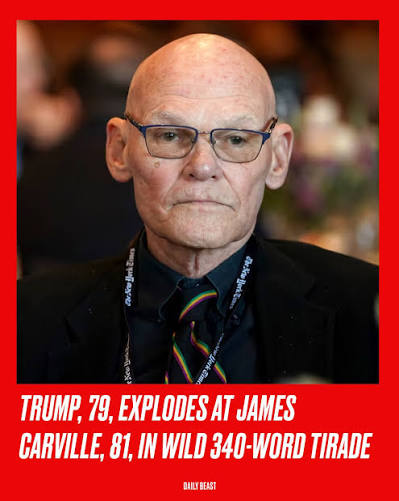
The Democratic Party is once again facing growing internal tensions after veteran Democratic strategist James Carville delivered one of his strongest criticisms yet of the party’s democratic socialist wing. His blunt message—that those who fundamentally disagree with the party’s core principles should “start your own party”—has reignited debate over the future direction of Democrats heading into upcoming elections.
The remarks come at a time when progressive and democratic socialist candidates have gained momentum in several high-profile races, especially in New York, raising fresh questions about whether the Democratic Party can maintain unity while accommodating increasingly diverse ideological factions.
In this article, we’ll examine what sparked the latest controversy, why it matters, how different Democratic leaders are responding, and what it could mean for future elections.
Why Is the Democratic Party Feud Making Headlines?

Political disagreements inside the Democratic Party are nothing new. For years, moderate Democrats and progressive activists have debated issues ranging from healthcare and taxation to immigration, policing, and foreign policy.
However, recent primary victories by democratic socialist-backed candidates have intensified those divisions. Several establishment Democrats suffered unexpected defeats, while progressive organizations celebrated what they described as a major political breakthrough.
These victories prompted renewed discussion about whether the Democratic Party is moving further left—or whether moderate Democrats remain the dominant force nationally.
James Carville’s Strong Warning
James Carville, one of the Democratic Party’s best-known political strategists, made headlines after criticizing candidates he believes no longer represent traditional Democratic values.
According to recent reports, Carville argued that politicians advocating positions such as abolishing Immigration and Customs Enforcement (ICE), eliminating police departments, or rejecting key democratic institutions should not expect to lead the Democratic Party.
His message was direct:
If those activists reject the party’s fundamental principles, they should create their own political party rather than reshape the Democratic Party from within.
The comments quickly spread across political media, fueling debate among both supporters and critics.
What Triggered the Latest Conflict?
The latest controversy follows several surprising primary election outcomes.
Democratic socialist-backed candidates secured victories in competitive races, demonstrating growing grassroots enthusiasm among progressive voters.
Some political analysts argue these results reflect changing priorities among younger voters who prioritize affordable housing, healthcare, economic inequality, and climate policy.
Others believe the victories are largely limited to heavily Democratic urban districts and do not represent national Democratic voters.
This disagreement lies at the heart of today’s Democratic Party feud.
The Growing Divide Between Moderates and Progressives
One major question now facing Democrats is whether ideological diversity strengthens or weakens the party.
Moderate Democrats argue:
- Winning swing states requires centrist candidates.
- Independent voters often reject socialist branding.
- National elections differ significantly from local primaries.
Progressive Democrats argue:
- Bold policies energize young voters.
- Grassroots organizing increases turnout.
- Economic populism resonates across many communities.
Both sides believe their strategy offers the strongest path to victory.
Why Moderates Are Concerned
Moderate Democrats worry that embracing democratic socialist positions could create challenges in competitive congressional districts.
Several strategists believe Republicans could use socialist messaging during general elections to appeal to undecided voters.
Recent reporting indicates many House centrists are already organizing to counter growing influence from the party’s left flank.
These lawmakers fear ideological disputes could distract from broader Democratic priorities such as healthcare affordability, economic growth, and protecting reproductive rights.
Progressive Leaders Push Back
Progressive activists reject criticism that their movement hurts Democratic electoral prospects.
Instead, they argue voters increasingly support ambitious reforms involving:
- Universal healthcare
- Affordable housing
- Higher minimum wages
- Expanded labor protections
- Climate investments
Supporters believe recent primary victories demonstrate that these ideas continue gaining momentum, particularly in urban areas.
Is the Democratic Party Really Moving Left?
Political analysts remain divided.
Some recent analyses suggest that while progressive candidates have won notable races, mainstream Democrats continue to dominate most competitive districts where general elections are decided.
Others argue that progressive organizations have become increasingly effective at grassroots organizing, allowing them to influence the party’s agenda even where they do not control leadership.
FAQs
What sparked the latest Democratic Party feud?
The latest dispute followed comments by veteran strategist James Carville criticizing democratic socialist candidates and suggesting they should form a separate political party if they reject core Democratic principles.
Why are moderates concerned?
Moderate Democrats worry that socialist branding could hurt the party in swing districts and competitive national elections.
Are progressives gaining influence?
Yes. Progressive and democratic socialist-backed candidates have recently won several notable primary races, particularly in New York, though moderates still dominate many competitive districts.
Will this affect future elections?
Internal party divisions could shape campaign messaging, candidate recruitment, and legislative priorities heading into future congressional and presidential elections.
How useful was this post?
Click on a star to rate it!
Average rating 0 / 5. Vote count: 0
No votes so far! Be the first to rate this post.
About the Author

usa5911.com
Administrator
Hi, I’m Gurdeep Singh, a professional content writer from India with over 3 years of experience in the field. I specialize in covering U.S. politics, delivering timely and engaging content tailored specifically for an American audience. Along with my dedicated team, we track and report on all the latest political trends, news, and in-depth analysis shaping the United States today. Our goal is to provide clear, factual, and compelling content that keeps readers informed and engaged with the ever-changing political landscape.