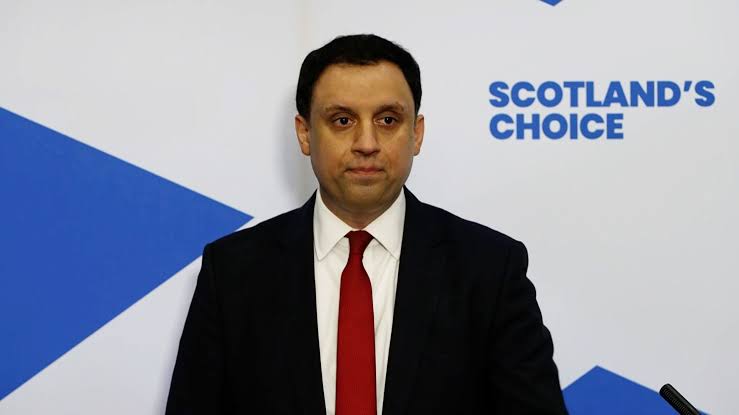
The British political landscape has been shaken by a dramatic internal Labour Party dispute following reports that Scottish Labour leader Anas Sarwar urged Prime Minister Keir Starmer to step aside. The development has sparked intense debate over Labour’s future, with party members, political analysts, and opposition figures questioning whether the governing party is entering its most significant leadership crisis in years.
What began as private concerns about Labour’s direction has quickly evolved into a public confrontation that threatens party unity. The dispute comes at a time when Labour faces mounting pressure over economic challenges, public services, immigration, and declining voter confidence.
Political commentators describe the situation as a defining moment for the Labour government. While supporters of Starmer argue that stability is essential, critics believe a leadership change may be necessary to rebuild public trust.
Why the Story Matters

Leadership disagreements are common in politics, but open calls for a sitting Prime Minister to resign are rare. When such criticism reportedly comes from one of Labour’s most prominent regional leaders, it carries significant political weight.
Anas Sarwar has led Scottish Labour through a period of electoral rebuilding and has become one of the party’s best-known figures outside Westminster. Any disagreement between Sarwar and Starmer therefore attracts national attention.
The reported exit call also raises broader questions:
- Is Labour becoming divided over its future direction?
- Could internal disagreements weaken the government’s agenda?
- How will voters respond if senior party figures publicly challenge the Prime Minister?
- What impact could this have on future elections?
These questions now dominate political discussion across the United Kingdom.
Background: Labour’s Recent Challenges
Since taking office, Labour has faced several major tests. Rising living costs, pressure on the National Health Service, housing shortages, economic uncertainty, and debates over immigration have created a difficult political environment.
Although the government has introduced reforms in several policy areas, opinion polls have shown fluctuating public support. Critics argue that Labour has struggled to communicate a clear long-term vision, while supporters insist that meaningful reforms require time.
Against this backdrop, any suggestion of a leadership contest risks creating additional uncertainty.
Anas Sarwar’s Position
Anas Sarwar has often presented himself as a pragmatic politician focused on rebuilding Labour’s strength in Scotland. Over recent years, he has emphasized economic growth, improving public services, and restoring trust in government.
Reports indicating that Sarwar believes Labour requires new leadership have therefore attracted considerable attention. Although details of private discussions remain disputed, multiple media reports suggest growing frustration among some senior figures over the party’s current direction.
Political observers note that disagreements within governing parties are not unusual. However, when they become public, they can dominate headlines and overshadow policy achievements.
Growing Signs of Internal Division
The reported disagreement reflects wider tensions inside Labour.
Several issues have contributed to internal debate:
- Electoral strategy
- Economic policy
- Taxation priorities
- Public spending
- Immigration policy
- Relations with trade unions
- Long-term party leadership
While many MPs continue to support Starmer, others have reportedly expressed concern about declining popularity and the government’s political direction.
Party officials have attempted to project unity, but speculation surrounding the leadership has continued to grow.
Political Reactions
Opposition parties have seized on the reports as evidence that Labour is struggling to maintain internal discipline.
Conservative politicians argue that leadership uncertainty distracts the government from addressing national priorities. Meanwhile, other parties have called for Labour to focus on policy rather than internal disputes.
Political analysts caution that prolonged leadership speculation can damage public confidence, regardless of whether a formal leadership contest ultimately takes place.
Why This Could Become a Turning Point
Leadership crises often reshape political parties.
If senior figures continue publicly questioning the Prime Minister’s future, pressure could increase on Labour’s leadership to clarify its position. Conversely, a strong show of unity could help stabilize the government.
The coming weeks are therefore likely to prove crucial.
Whether this dispute fades or develops into a larger leadership battle will depend on political negotiations, public opinion, and the willingness of senior Labour figures to resolve their differences.
The controversy surrounding the Anas Sarwar Starmer exit call did not emerge overnight. Instead, it appears to be the culmination of months of political pressure, declining confidence among some party figures, and growing concerns about Labour’s electoral prospects.
Early Warning Signs
Long before reports of Sarwar’s intervention surfaced, political observers had identified signs of frustration within Labour ranks. Government ministers faced difficult questions regarding economic growth, inflation, public-sector funding, and voter dissatisfaction.
Although Labour remained committed to its policy agenda, some MPs reportedly worried that the government was struggling to maintain momentum after entering office.
Several opinion polls suggested a decline in public enthusiasm compared with the optimism that followed Labour’s election victory. While polling fluctuations are normal in government, persistent declines often trigger internal debate about leadership and strategy.
Rising Pressure on Keir Starmer
As criticism intensified, attention increasingly focused on Prime Minister Keir Starmer.
Supporters argued that Starmer inherited complex economic and social challenges that could not be solved quickly. They emphasized the need for stability and patience.
Critics, however, claimed that Labour lacked a compelling narrative capable of inspiring voters. Some questioned whether the government had successfully communicated its achievements.
This disagreement created a divide between those prioritizing continuity and those advocating change.
Reports of Sarwar’s Intervention
The political situation escalated dramatically when reports emerged suggesting that Scottish Labour leader Anas Sarwar had privately urged Starmer to consider stepping aside.
Even though details varied across media accounts, the central claim attracted enormous attention because Sarwar is widely regarded as one of Labour’s most influential regional leaders.
Political commentators immediately recognized the significance of such a move.
Historically, leadership challenges gain momentum when respected figures within a party begin questioning the future of the current leader. Whether intended as constructive criticism or a direct challenge, the reported intervention changed the political conversation.
Media Coverage Intensifies
Once reports became public, national newspapers, television networks, and political commentators devoted extensive coverage to the dispute.
Questions quickly emerged:
- Was Sarwar speaking only for himself?
- Did other senior Labour figures share his concerns?
- Would more MPs publicly criticize Starmer?
- Could a leadership contest become unavoidable?
The story dominated political headlines and overshadowed many government policy announcements.
For Labour strategists, this represented a significant challenge because media attention shifted from governance to internal party conflict.
Reactions from Labour MPs
Labour MPs responded in different ways.
MPs Supporting Starmer
Many MPs rallied behind the Prime Minister.
Their arguments focused on several points:
- Leadership changes can create instability.
- Governments need time to implement reforms.
- Internal disputes can damage public confidence.
- Party unity is essential before future elections.
Supporters argued that Labour should concentrate on delivering policy results rather than engaging in leadership battles.
MPs Calling for Change
Other voices within the party reportedly expressed concerns about Labour’s direction.
These figures questioned whether current leadership arrangements could effectively rebuild voter enthusiasm.
Although relatively few MPs openly called for a change, political analysts noted that private concerns often emerge before public challenges.
The debate therefore became less about individual personalities and more about Labour’s long-term strategy.
Public Opinion and Polling Trends
Opinion polls have played a major role in discussions surrounding Labour’s future.
Political parties closely monitor polling data because it offers insight into voter sentiment. When poll numbers decline, pressure frequently increases on party leaders.
Key Voter Concerns
Recent surveys suggest that many voters remain focused on:
- Cost-of-living pressures
- Economic growth
- Housing affordability
- Healthcare waiting times
- Immigration management
- Public services
If voters believe these issues are not being addressed effectively, political dissatisfaction can grow regardless of which party is in power.
Leadership Approval Ratings
Leadership approval ratings often influence internal party debates.
When approval ratings fall, critics may argue that new leadership is needed to reconnect with voters. Supporters, meanwhile, typically emphasize the importance of consistency and long-term planning.
The current Labour dispute reflects this broader tension.
Economic Implications of Political Instability
Political uncertainty can have consequences beyond Westminster.
Investors, businesses, and financial markets generally prefer stability because it allows for predictable decision-making.
Business Confidence
When leadership questions dominate political headlines, businesses may delay investment decisions until greater clarity emerges.
This does not necessarily lead to immediate economic problems, but uncertainty can affect confidence levels.
Government Priorities
Internal political disputes may also divert attention from major policy initiatives.
Instead of focusing entirely on economic reforms, ministers may find themselves responding to questions about leadership and party unity.
Critics argue that this creates a distraction at a time when economic challenges remain significant.
The Scottish Dimension
One reason the story has generated such interest is Sarwar’s position within Scottish Labour.
Scotland remains a crucial battleground in British politics. Labour’s ability to win support there can significantly influence its national prospects.
Sarwar has worked for years to rebuild Labour’s presence in Scotland after a period of electoral decline.
As a result, his views carry considerable influence both inside and outside the party.
Political observers note that disagreements involving Scottish Labour leaders often have national implications because they highlight broader concerns about party strategy and voter appeal.
A Party at a Crossroads
Whether the reported Sarwar intervention ultimately changes Labour’s leadership remains uncertain.
What is clear, however, is that the controversy has exposed underlying tensions regarding:
- Electoral strategy
- Government performance
- Public communication
- Party unity
- Future leadership
The coming months could determine whether Labour emerges stronger through internal debate or faces a deeper political crisis.
As speculation continues, party leaders will face increasing pressure to demonstrate unity, reassure voters, and refocus attention on policy priorities.
About the Author