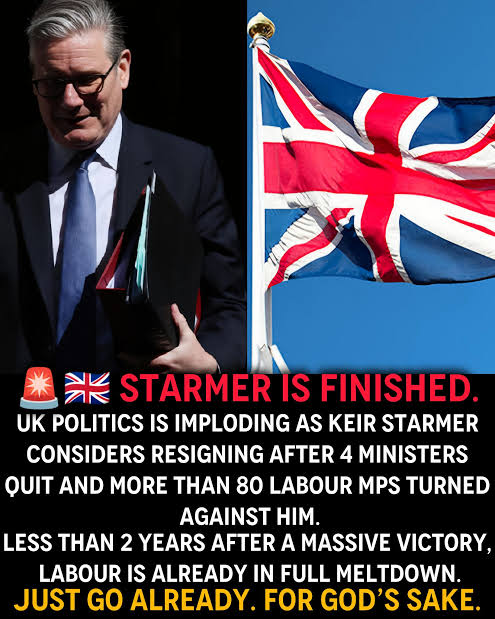
Rising tensions have intensified across Britain and the Middle East, creating two very different but equally consequential stories. In the UK, Anas Sarwar’s revolt against Keir Starmer became an important symbol of Labour’s internal crisis. Sarwar, then Scottish Labour leader, publicly called for Starmer to resign in February 2026, arguing that Labour needed a change of leadership.
Months later, Starmer ultimately announced that he would step down as Labour leader and prime minister. The resignation followed sustained pressure inside Labour and poor electoral performances.
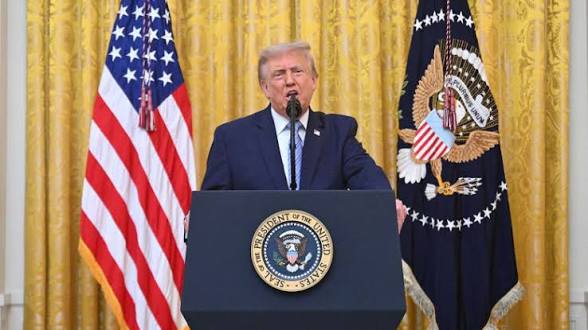
At the same time, across the Atlantic and into the Middle East, President Donald Trump has intensified pressure on Iran. Washington has moved toward a broader economic campaign against Tehran after diplomacy failed to produce a lasting settlement. Trump has threatened countries trading with Iran with potentially severe economic consequences.
The combination of Labour’s leadership upheaval and the continuing US-Iran confrontation has generated a wave of political uncertainty. Online discussions have increasingly used phrases such as “WW3” and “global war,” although these labels should not be treated as evidence that a world war is inevitable.
Anas Sarwar’s Challenge to Starmer
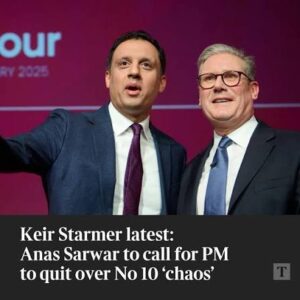
Anas Sarwar’s February intervention was one of the most significant internal challenges to Starmer from a senior Labour figure.
Sarwar argued that the problems surrounding Downing Street had become a distraction from Labour’s political objectives in Scotland. He called for a change in leadership and said that the situation in Westminster was damaging Labour’s electoral prospects.
The intervention was particularly damaging because it came from inside Labour rather than from an opposition party. Sarwar was not simply a political opponent attacking the government; he was a senior Labour leader arguing publicly that the party needed a different direction.
At the time, Starmer resisted the pressure. Senior Labour figures rallied around him, while Starmer insisted that he would continue leading the government.
However, the episode exposed deeper divisions inside Labour.
Why Labour Was Under Pressure
Starmer entered Downing Street in July 2024 after Labour’s landslide general-election victory. Yet the political situation became increasingly difficult during his premiership.
The party faced disputes over policy, internal rebellions and disappointing electoral results. The controversy surrounding Peter Mandelson also became a major political problem, contributing to pressure on Starmer.
The situation became especially challenging after Labour’s poor performance in elections in 2026. The combination of falling support, internal criticism and leadership disputes weakened Starmer’s position.
Sarwar’s resignation demand therefore became more than an isolated disagreement. It became part of a wider argument over Labour’s direction.
Starmer Eventually Leaves Downing Street
The political pressure eventually reached a decisive point.
On June 22, 2026, Starmer announced that he would stand down as prime minister and Labour leader. Reports said that mounting pressure from Labour MPs followed poor electoral results and growing dissatisfaction with his leadership.
The resignation marked a dramatic reversal for a politician who had led Labour to a historic election victory only two years earlier.
It also changed the political meaning of Sarwar’s earlier revolt.
When Sarwar called for Starmer to resign in February, his intervention was controversial and created tensions within Labour. By June, however, Starmer had announced his departure.
The episode demonstrated how quickly political fortunes can change when a governing party loses public support and internal confidence.
Anas Sarwar’s Own Political Exit
The story did not end with Starmer’s resignation.
Anas Sarwar subsequently left the leadership of Scottish Labour and moved toward a role within Prime Minister Andy Burnham’s government. Reports said Burnham appointed Sarwar to a ministerial position and offered him a peerage.
His departure created another leadership contest inside Scottish Labour.
The party was already struggling after a difficult electoral performance in Scotland. Sarwar’s exit therefore produced another layer of uncertainty.
The Scottish Labour leadership contest has since highlighted competing views about how the party should reconnect with Scottish voters. Recent reports say the race has narrowed to Michael Marra and Joe Fagan, with the result expected in September.
This means Labour’s crisis has not simply disappeared with Starmer’s departure. The party continues to debate its identity, leadership and electoral strategy.
Trump Turns Up the Pressure on Iran
While Labour has been dealing with its leadership turmoil, the Middle East has remained extremely volatile.
President Donald Trump has intensified pressure on Iran following the breakdown of diplomatic efforts.
On August 19, Trump announced what he described as a major economic operation against Iran. He also warned countries that continue trading with Tehran that they could face significant economic consequences.
The strategy represents a shift toward using economic pressure alongside military leverage.
Washington has already imposed extensive sanctions on Iranian-linked individuals and organisations. Reuters reported that the US Treasury had targeted more than 1,000 individuals and entities while considering additional measures against Iranian oil networks and financial channels.
The goal is to increase the economic cost for Iran and pressure its leadership into accepting a deal favourable to Washington.
Iran Rejects Trump’s Pressure
Iran has rejected the latest US threats.
Iranian officials have described Washington’s economic campaign as unacceptable and have continued to resist demands from the Trump administration.
The confrontation is occurring after months of war and failed diplomatic efforts. Reuters reported on August 22 that Iran had strongly condemned expected new US sanctions, while the two sides remained without a functioning peace agreement.
Iran’s economic situation has also deteriorated sharply.
The war, sanctions and restrictions on trade have created enormous pressure on the Iranian economy. Reuters reported that inflation had reached extremely high levels and that food prices had surged, increasing hardship for ordinary citizens.
This creates a dangerous political dilemma for Tehran. Accepting US demands could be portrayed domestically as surrender, while refusing them could mean even greater economic pressure.
Why the Strait of Hormuz Matters
One of the most important elements of the Iran crisis is the Strait of Hormuz.
The narrow waterway is a crucial route for international energy shipments. Any prolonged disruption can affect oil supplies, transportation costs and inflation around the world.
Recent reporting says oil traffic through the strait has fallen dramatically compared with pre-war levels.
Trump has also made increasingly forceful statements about US control of the area. On August 21, he referred to the Strait of Hormuz as “American territory,” according to The Guardian, amid continuing confrontation with Iran.
Such statements underline how strategically important the waterway has become.
For global markets, the issue is not only military security. Higher energy prices can raise transportation costs, increase inflation and create economic pressure far beyond the Middle East.
Does Trump’s Iran Strategy Increase WW3 Fears?
The phrase “WW3” has become common in social media discussions whenever tensions between major powers rise.
However, the current situation should be described carefully.
There is clearly a serious risk of further regional escalation. The United States and Iran remain deeply opposed, military forces are operating in the region, and diplomatic efforts have repeatedly stalled.
Iran has also warned of retaliation, while the Trump administration continues to maintain that Iran must not obtain nuclear weapons.
Nevertheless, escalation does not automatically mean a global war.
A major international conflict would require additional states to become directly involved on a much larger scale. At present, the most immediate concern is continued US-Iran confrontation, disruption of energy supplies and the possibility that additional regional actors could become involved.
Trump’s Economic Pressure Strategy
Trump’s latest approach focuses heavily on economic coercion.
The administration is considering sanctions against companies, financial institutions and countries that continue to support Iranian trade.
The strategy is designed to isolate Iran economically and reduce the resources available to its government.
But economic pressure also carries risks.
If sanctions become broader, countries such as China could face difficult choices over Iranian oil imports and financial relationships. Reuters has reported that Washington is considering measures targeting Chinese refiners and potentially financial institutions involved in Iranian trade.
That could transform the Iran crisis from a bilateral US-Iran confrontation into a wider international economic dispute.
The Risk of Miscalculation
Perhaps the greatest danger is not that either Washington or Tehran openly wants a global war.
The danger is miscalculation.
When military forces operate close to each other, communication breaks down and political leaders face domestic pressure, even a limited incident can escalate rapidly.
The Strait of Hormuz is particularly sensitive because commercial shipping, military operations and regional security concerns overlap.
A confrontation involving a vessel, aircraft or military installation could trigger retaliation. Retaliation could then produce another response.
This is why diplomacy remains important even when negotiations appear unsuccessful.
Labour Meltdown and the Politics of Leadership
The Labour story provides a different lesson about political pressure.
Starmer’s experience shows that winning a large parliamentary majority does not guarantee long-term political stability.
Governments need sustained public support and internal party unity. Once MPs begin questioning leadership, disagreements can rapidly become public.
Sarwar’s February revolt was therefore politically significant because it showed that dissatisfaction had reached senior levels inside Labour.
By the summer, both Starmer and Sarwar had moved into different political positions.
Starmer had left Downing Street, while Sarwar had departed Scottish Labour leadership and joined Burnham’s government.
The Labour Party now faces the challenge of rebuilding its political identity.
What Happens Next?
The next phase will be important for both Labour and the Iran crisis.
In Britain, the new Labour government under Andy Burnham will have to demonstrate that it can reverse the party’s electoral difficulties and restore confidence.
Scottish Labour faces an immediate leadership contest and must find a way to reconnect with voters.
Meanwhile, the US-Iran confrontation could determine the wider geopolitical environment for months.
Trump is seeking greater economic pressure on Tehran, while Iran is refusing to accept Washington’s demands. Both sides therefore remain locked in a confrontation where diplomacy has repeatedly failed to produce a lasting settlement.
The international community will be watching the Strait of Hormuz, oil markets and diplomatic contacts closely.
Conclusion
The Anas Sarwar revolt against Keir Starmer became one of the defining moments of Labour’s recent internal crisis. Sarwar’s call for Starmer to resign in February highlighted growing dissatisfaction within the party, and Starmer eventually announced his resignation in June.
But Labour’s problems did not end with Starmer’s departure. Sarwar himself subsequently left Scottish Labour leadership, while the party entered another leadership contest in Scotland.
At the same time, Trump’s escalating pressure on Iran has created a separate international crisis. Washington is moving toward tougher sanctions and economic pressure, while Tehran continues to resist.
The combination of military confrontation, economic sanctions and uncertainty around the Strait of Hormuz means the Iran crisis remains extremely serious.
Although “WW3” fears are understandable amid the current tensions, a global war is not inevitable. The immediate priority for governments is preventing further escalation, protecting civilian populations and keeping diplomatic channels open.
The political upheaval in Britain and the confrontation between Washington and Tehran demonstrate the same broader lesson: when leadership becomes unstable and pressure increases, events can change very quickly.
FAQs
1. Why did Anas Sarwar call for Keir Starmer to resign?
Anas Sarwar called for Keir Starmer to resign in February 2026, arguing that Labour needed a change in leadership and that problems in Downing Street were damaging the party’s political prospects.
2. Did Keir Starmer eventually resign?
Yes. Starmer announced on June 22, 2026, that he would step down as prime minister and Labour leader after mounting political pressure.
3. Is Anas Sarwar still Scottish Labour leader?
No. Sarwar subsequently left the Scottish Labour leadership and moved into a role in Andy Burnham’s government.
4. Why is Scottish Labour facing another leadership contest?
Sarwar’s departure created a vacancy at the top of Scottish Labour. The contest has also taken place against the background of the party’s disappointing electoral performance and internal disagreements.
5. Why is Trump increasing pressure on Iran?
Trump is seeking to force Iran toward an agreement that addresses US concerns, particularly over Iran’s nuclear programme and regional security. His administration is using sanctions and broader economic pressure as major tools.
6. What is Trump’s latest Iran strategy?
Trump has announced a major economic pressure campaign and warned countries trading with Iran that they could face serious economic consequences.
7. Why is the Strait of Hormuz important?
The Strait of Hormuz is a major international energy route. Disruption there can reduce oil shipments and contribute to higher energy prices and inflation worldwide.
8. Does the Iran conflict mean World War III is starting?
Not necessarily. The conflict presents serious escalation risks, but the phrase “WW3” describes a possible scenario rather than an established fact. The immediate concern is continued regional confrontation and the possibility of further escalation.
9. Could the Iran conflict affect the global economy?
Yes. Reduced energy shipments, higher oil prices, sanctions and disruptions to international trade can affect fuel costs, inflation, transportation and financial markets.
10. What should readers watch next?
Key developments include US-Iran diplomatic contacts, new sanctions, the situation around the Strait of Hormuz, oil prices and the next stage of Scottish Labour’s leadership contest.
About the Author