American Eagle Cabin Smoke: Emergency Landing, Passenger Panic, America Reacts
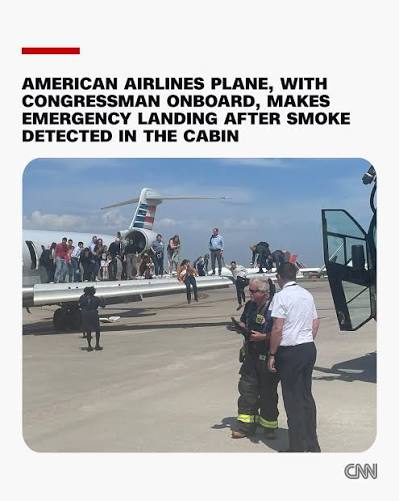
An American Eagle regional jet triggered fear and confusion across the United States after smoke reportedly filled the cabin during a flight approaching Kansas City International Airport. The frightening incident forced pilots to declare an emergency and execute a rapid landing while passengers prepared for the worst.
The aircraft, identified as American Eagle Flight 5318 and operated by PSA Airlines, was flying from Washington, D.C., to Kansas City when the crew reported smoke and a strong odor inside the cabin. Air traffic control recordings captured the tense moment as the pilot declared an emergency shortly before touchdown.
The dramatic landing immediately became a major talking point online. Videos and photos from passengers spread rapidly across social media, while aviation experts, lawmakers, and travelers debated airline safety and emergency preparedness.
What Happened on American Eagle Flight 5318?
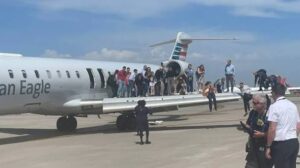
According to reports, the regional jet was nearing Kansas City International Airport when crew members detected smoke or an unusual odor inside the cabin. Pilots quickly informed air traffic control and initiated emergency procedures.
The pilot reportedly stated:
“Declaring an emergency. We’re landing.”
The Bombardier CRJ-900 aircraft landed safely, but the emergency did not end there. Passengers were evacuated onto the taxiway while airport rescue crews surrounded the aircraft.
Airport operations were briefly disrupted as emergency teams inspected the plane. Authorities later confirmed that no injuries were immediately reported.
Passenger Panic During the Emergency
Passengers described moments of uncertainty and fear as smoke spread through parts of the aircraft cabin. Some travelers reportedly covered their faces while flight attendants instructed everyone to remain calm.
Social media footage showed passengers standing on the aircraft wing after evacuation. Other images captured emergency vehicles lining the runway while crews assessed the aircraft.
One of the most widely discussed details was the presence of U.S. Congressman Tracey Mann onboard the flight. Reports stated that he shared images and updates after the emergency landing, bringing even more national attention to the incident.
Travelers praised the professionalism of the flight crew, saying the pilots and attendants acted quickly under pressure.
Emergency Landing Procedures Explained
Aviation experts note that smoke inside an aircraft cabin is treated as one of the most serious emergencies in commercial aviation. Even if the exact source is unknown, pilots are trained to land as quickly as possible.
Smoke-related emergencies are especially dangerous because visibility can rapidly deteriorate, while passengers may experience breathing difficulties. Aviation safety studies have long identified onboard smoke and fire as high-risk events requiring immediate response.
Modern emergency procedures typically include:
- Declaring an emergency with air traffic control
- Prioritizing rapid landing
- Deploying airport fire crews
- Evacuating passengers if necessary
- Conducting maintenance inspections after landing
Experts say the successful landing of Flight 5318 demonstrates how airlines and airports coordinate during high-pressure situations.
American Airlines Responds
American Airlines later confirmed that the flight landed safely after reports of an “odor in the cabin.” The airline emphasized that passenger safety remained the top priority.
The carrier also apologized to travelers for the disruption and stated that maintenance teams would inspect the aircraft to determine the source of the smoke indication.
While early reports mentioned smoke, later airline statements referred to an “odor,” which sometimes occurs when airlines are still investigating the exact cause of the incident.
No official determination regarding the source had been publicly confirmed at the time of reporting.
FAA Investigation and Safety Questions
The Federal Aviation Administration is expected to review the incident as part of standard aviation safety procedures. Such investigations typically examine:
- Aircraft maintenance history
- Electrical systems
- Ventilation equipment
- Crew response timelines
- Passenger evacuation procedures
Although the aircraft landed safely, incidents involving cabin smoke often attract major regulatory attention because they can escalate quickly if not handled properly.
Aviation analysts say even non-fatal smoke emergencies can reveal important maintenance or operational concerns that airlines must address.
Why Cabin Smoke Creates Immediate Alarm
Smoke onboard an aircraft can originate from several possible sources, including:
- Electrical malfunctions
- Overheated systems
- Engine-related issues
- Air conditioning equipment
- Passenger electronic devices
- Lithium battery failures
Aviation safety research has shown that cabin smoke incidents require immediate action because pilots may have limited time to safely land the aircraft.
In some historical aviation accidents, smoke spread rapidly and impaired visibility inside the cockpit and passenger cabin. That is why airlines conduct extensive emergency training for these scenarios.
Social Media Reacts to the American Eagle Emergency
The phrase “American Eagle cabin smoke” quickly began trending online as travelers reacted to videos and photos from the emergency landing.
Many social media users praised the crew’s calm response, while others expressed concern about recent airline safety headlines across the United States.
Comments online ranged from relief that everyone survived safely to renewed debate about airline maintenance standards and aviation infrastructure.
Several users also highlighted how quickly emergency responders reached the aircraft after landing.
Congressman Onboard Draws National Attention
The incident gained even more visibility because Congressman Tracey Mann was reportedly among the passengers.
News outlets noted that the congressman shared details about the evacuation and praised emergency personnel after the aircraft landed safely.
The presence of a federal lawmaker onboard intensified media coverage, turning what might have been a regional aviation story into a nationally discussed incident.
The Aircraft Involved
Reports identified the aircraft as a Bombardier CRJ-900 regional jet operated by PSA Airlines under the American Eagle brand.
The CRJ-900 is commonly used for short and medium-haul domestic routes throughout the United States. Regional jets like this frequently connect smaller cities with major airline hubs.
While the aircraft type has a long operational history, incidents involving smoke or odor are taken seriously regardless of aircraft model.
Passenger Evacuation Details
After landing, passengers exited onto the taxiway while airport buses transported them back to the terminal. Emergency crews inspected the aircraft before normal airport activity resumed.
Photos from the scene showed passengers calmly gathered near the aircraft as firefighters and rescue teams completed safety checks.
Officials later confirmed there were no immediate injuries among the 76 passengers and crew members onboard.
Growing Public Anxiety Around Air Travel
The American Eagle emergency comes during a period of heightened public sensitivity regarding airline safety incidents.
Recent aviation emergencies, technical diversions, runway incidents, and air traffic disruptions have increased public attention toward commercial flight operations.
While experts continue to emphasize that flying remains one of the safest forms of transportation, dramatic onboard incidents often create intense emotional reactions online.
Search trends related to emergency landings and cabin smoke incidents have risen significantly after several recent aviation headlines.
Aviation Experts Praise Crew Response
Aviation professionals reviewing the incident noted that the crew followed standard emergency protocols effectively.
Experts pointed to several key positives:
- Rapid communication with air traffic control
- Quick emergency declaration
- Safe landing execution
- Orderly evacuation
- Fast deployment of airport rescue teams
In aviation emergencies, speed and coordination are critical. Analysts said the successful outcome likely prevented a far more dangerous situation.
Could Smoke Have Been Dangerous?
Yes. Even when no visible flames are present, smoke inside an aircraft can pose serious risks.
Passengers may experience:
- Breathing difficulties
- Eye irritation
- Reduced visibility
- Panic and confusion
Pilots also face increased workload while managing navigation, communication, and emergency procedures simultaneously.
That is why aviation authorities worldwide treat cabin smoke incidents with maximum seriousness.
America Reacts to the Scary Mid-Air Emergency
Across social media platforms, many Americans expressed gratitude that the emergency ended without fatalities or serious injuries.
Some travelers shared personal experiences involving turbulence, emergency landings, or smoke odors during flights. Others called for stronger aircraft inspection protocols and improved passenger communication during emergencies.
The incident also reignited discussions about aviation staffing, maintenance oversight, and airport emergency readiness.
Despite the fear and uncertainty onboard, many commenters praised the professionalism displayed by both the flight crew and Kansas City emergency responders.
What Happens Next?
The aircraft will likely undergo detailed technical inspections before returning to service.
Investigators may examine cockpit data, maintenance logs, cabin systems, and crew reports to determine what triggered the smoke or odor event.
Passengers affected by the emergency may also receive travel compensation, rebooking assistance, or follow-up communication from the airline.
Meanwhile, aviation experts expect the incident to remain part of broader conversations about airline safety standards in the United States.
Final Thoughts
The American Eagle cabin smoke emergency created a terrifying experience for dozens of passengers, but the successful landing and evacuation prevented what could have become a much more dangerous situation.
As investigators continue reviewing the incident, many travelers are once again focusing on airline safety, emergency preparedness, and the professionalism required during in-flight crises.
For now, the most important outcome remains clear: everyone onboard survived safely.
FAQs
What caused the American Eagle cabin smoke incident?
The exact cause had not been officially confirmed at the time of reporting. American Airlines stated that there was an “odor in the cabin,” and maintenance teams were expected to inspect the aircraft.
Which flight experienced the emergency landing?
The aircraft was identified as American Eagle Flight 5318, operated by PSA Airlines.
Where did the emergency landing happen?
The flight landed safely at Kansas City International Airport after the crew declared an emergency.
Were there any injuries reported?
Officials stated that no immediate injuries were reported among passengers or crew members.
Was a politician onboard the flight?
Yes. Reports said Congressman Tracey Mann was among the passengers onboard.
Why are smoke incidents on airplanes considered dangerous?
Smoke can impair visibility, affect breathing, and signal possible fire or electrical issues. Aviation authorities treat cabin smoke as a high-priority emergency.
How useful was this post?
Click on a star to rate it!
Average rating 0 / 5. Vote count: 0
No votes so far! Be the first to rate this post.
About the Author

usa5911.com
Administrator
Hi, I’m Gurdeep Singh, a professional content writer from India with over 3 years of experience in the field. I specialize in covering U.S. politics, delivering timely and engaging content tailored specifically for an American audience. Along with my dedicated team, we track and report on all the latest political trends, news, and in-depth analysis shaping the United States today. Our goal is to provide clear, factual, and compelling content that keeps readers informed and engaged with the ever-changing political landscape.