AIPAC Pressure Campaign: Israel Debate, Washington Clash, Political Firestorm
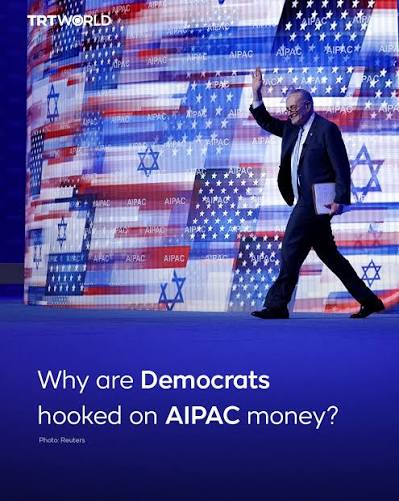
The debate surrounding the American Israel Public Affairs Committee, widely known as AIPAC, has exploded into one of the most controversial political issues in Washington. Once considered untouchable in American politics, the powerful pro-Israel lobbying organization now faces intense scrutiny from progressive Democrats, anti-war activists, and younger voters who are demanding major changes in US foreign policy.
The growing political storm has turned the “AIPAC pressure campaign” into a national talking point. Candidates in congressional races are openly refusing AIPAC-linked donations. Protest movements are targeting lawmakers accused of supporting unconditional military aid to Israel. Meanwhile, defenders of AIPAC argue the organization remains essential to protecting the US-Israel alliance and fighting antisemitism.
The result is a political firestorm stretching from Capitol Hill to grassroots activism, dividing Democrats, reshaping Republican debates, and redefining America’s relationship with Israel.
Recent reporting shows that opposition to AIPAC has become a central campaign issue in multiple Democratic primaries heading into the 2026 election cycle.
What Is AIPAC?
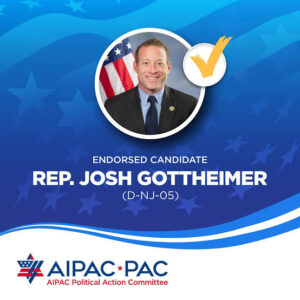
American Israel Public Affairs Committee, commonly called AIPAC, is one of the most influential lobbying organizations in Washington.
Founded in the 1950s, AIPAC’s mission is to strengthen the relationship between the United States and Israel. The organization advocates for military aid to Israel, tougher policies toward Iran, and legislation viewed as supportive of Israeli security.
For decades, AIPAC maintained strong bipartisan influence. Democrats and Republicans alike attended its conferences, worked closely with its policy teams, and competed for pro-Israel support during elections.
However, political dynamics have shifted dramatically in recent years.
The wars in Gaza and tensions involving Iran have intensified criticism of American support for Israel. Progressive activists now argue that lobbying groups like AIPAC hold too much influence over foreign policy decisions in Washington.
Why the AIPAC Pressure Campaign Became a Major Political Issue
The current controversy is driven by several overlapping developments:
- Rising public criticism of Israel’s military operations
- Growing frustration among younger Democratic voters
- Massive political spending in congressional races
- Primary battles between moderates and progressives
- Debates over US military aid to Israel
According to recent reports, more than 100 Democratic candidates have received support from anti-AIPAC organizations that oppose the group’s influence in American politics.
Many of these candidates are promising to reject money connected to pro-Israel lobbying organizations. That represents a major change from previous election cycles, where criticism of AIPAC was often politically risky.
Today, some progressive candidates are turning opposition to AIPAC into a campaign advantage.
The Democratic Party Divide
Perhaps the biggest political impact of the AIPAC pressure campaign is happening inside the Democratic Party.
Moderate Democrats continue to support strong US-Israel relations and often defend military aid packages for Israel. They argue that Israel remains America’s closest ally in the Middle East and that national security cooperation is essential.
Progressive Democrats, however, increasingly disagree.
Many younger lawmakers and activists accuse Israel of human rights abuses in Gaza and criticize Washington for providing military support without conditions.
The divide has become especially visible during Democratic primaries.
Several progressive challengers have directly attacked incumbents over AIPAC support, arguing that large lobbying donations distort democracy and silence criticism of Israeli policies.
Political analysts say the issue reflects a larger ideological shift inside the party.
Polling referenced in recent coverage shows unfavorable views of Israel rising sharply among Democrats, especially younger voters.
This generational divide is now influencing campaign messaging, fundraising strategies, and policy positions nationwide.
Progressive Groups Push Back Against AIPAC
New activist organizations have emerged specifically to challenge AIPAC’s influence.
One of the most discussed is Track AIPAC, a group focused on publicizing campaign donations linked to pro-Israel lobbying networks.
The organization claims its mission is to expose political spending connected to Israel-related advocacy groups and encourage candidates to reject such funding.
Another rising organization is PAL PAC, a pro-Palestinian political action committee formed ahead of the 2026 elections.
These groups are trying to create a political counterweight to AIPAC by backing candidates who support Palestinian rights and oppose unconditional military aid to Israel.
Their rise signals a changing political environment where pro-Palestinian activism is becoming more organized and influential in electoral politics.
AIPAC’s Defense and Political Strategy
AIPAC rejects accusations that it improperly controls American foreign policy.
Supporters argue that the organization simply represents millions of Americans who believe the US-Israel relationship is strategically and morally important.
AIPAC officials also argue that critics unfairly single out the organization while ignoring other major lobbying groups in Washington.
In recent statements, AIPAC representatives have defended efforts to support candidates who back a strong US-Israel partnership and oppose what they describe as “anti-Israel extremism.”
The organization continues to invest heavily in elections through political networks and allied committees.
That spending has become a major source of controversy.
Critics argue large campaign expenditures discourage lawmakers from criticizing Israeli government actions. Supporters counter that political advocacy is a standard part of American democracy.
The Israel Debate Is Expanding Beyond Democrats
Although most attention focuses on Democratic divisions, the political debate is also spreading among Republicans.
Traditionally, Republican voters strongly supported Israel. But some younger conservatives and “America First” activists are beginning to question unlimited foreign aid and military involvement overseas.
Recent reporting shows that skepticism toward US support for Israel is increasing even among some right-leaning voters.
This shift remains smaller than the divide among Democrats, but analysts believe it could grow in coming years.
Some conservative commentators now argue that Washington should reduce overseas commitments and focus more heavily on domestic priorities.
That argument has created unusual overlap between anti-war progressives and populist conservatives.
Washington’s Foreign Policy Clash
The controversy surrounding AIPAC is ultimately part of a larger battle over American foreign policy.
Key questions now dominate political discussions:
- Should the United States continue unconditional military aid to Israel?
- Should Congress place conditions on weapons transfers?
- How much influence should lobbying groups have over foreign policy?
- Can bipartisan support for Israel survive current political divisions?
The debate intensified further after reports that some Democratic lawmakers pushed the Trump administration to publicly acknowledge Israel’s nuclear capabilities.
Such moves would have been politically unthinkable for many mainstream politicians just a few years ago.
Analysts say this demonstrates how rapidly the political conversation is changing.
Social Media and the Political Firestorm
Social media has amplified every aspect of the AIPAC controversy.
Activists use platforms like TikTok, Instagram, and X to share clips of congressional hearings, protest footage, campaign ads, and donation records.
Online campaigns targeting politicians over Israel-related votes now spread rapidly across digital platforms.
At the same time, supporters of Israel argue that social media often fuels misinformation, harassment, and antisemitic rhetoric.
This digital battle has made the issue even more emotionally charged.
Political candidates increasingly face pressure from both sides online, especially during primary races.
Election Impact in 2026
The 2026 elections may become a major test of whether anti-AIPAC campaigning can produce lasting electoral success.
Several Democratic primaries are already centered around the Israel issue. Progressive candidates hope anger over Gaza and military aid will help defeat establishment-backed incumbents.
Moderate Democrats warn that internal divisions could weaken the party during general elections.
Republicans are also watching closely.
Some GOP strategists believe Democratic infighting over Israel could create opportunities in swing districts.
Others worry rising isolationist sentiment inside conservative politics may eventually challenge traditional Republican support for Israel as well.
The political consequences may extend far beyond a single election cycle.
Public Opinion Is Rapidly Changing
Recent polling suggests Americans are becoming increasingly divided over Israel policy.
Younger voters are especially critical of military escalation and American involvement in Middle East conflicts.
Many political observers believe this generational change explains why candidates now feel more comfortable criticizing AIPAC openly.
For decades, support for Israel was viewed as one of the safest bipartisan positions in Washington.
Today, that political consensus appears weaker than ever.
Could This Reshape US-Israel Relations?
The growing pressure campaign against AIPAC does not necessarily mean the US-Israel alliance will collapse.
Military cooperation between the two countries remains extremely strong. Many lawmakers from both parties continue to support close ties with Israel.
However, the political conversation is clearly evolving.
Future debates may focus less on whether America should support Israel and more on how that support should be structured.
Questions about military aid conditions, human rights oversight, and lobbying influence are likely to remain major political issues for years to come.
Conclusion
The AIPAC pressure campaign has transformed into one of the most explosive political battles in modern Washington.
What began as criticism from a small progressive movement has expanded into a nationwide debate involving elections, lobbying power, foreign policy, military aid, and generational political change.
Supporters of AIPAC argue the organization protects a vital US ally and strengthens American national security. Critics believe the lobbying network holds too much influence and prevents honest debate about Israel and Palestine.
As the 2026 election season intensifies, the controversy is only growing louder.
The outcome may not only reshape Democratic politics but also redefine the future of America’s relationship with Israel itself.
FAQs
What is AIPAC?
AIPAC stands for the American Israel Public Affairs Committee. It is a major pro-Israel lobbying organization in the United States that advocates for strong US-Israel relations.
Why is AIPAC controversial?
Critics argue AIPAC has too much influence over American foreign policy and election spending. Supporters say it simply represents Americans who support Israel.
What is the AIPAC pressure campaign?
The term refers to growing political efforts by activists and candidates to challenge AIPAC’s influence in Washington and oppose pro-Israel lobbying networks.
Why are Democrats divided over Israel?
Progressive Democrats increasingly criticize Israel’s military actions and US military aid, while moderate Democrats continue supporting strong US-Israel relations.
Is support for Israel changing in America?
Recent polling suggests younger voters and many Democrats are becoming more critical of Israeli policies and US involvement in Middle East conflicts.
What groups oppose AIPAC?
Organizations like Track AIPAC and PAL PAC have emerged to challenge pro-Israel lobbying influence and support pro-Palestinian candidates.
How useful was this post?
Click on a star to rate it!
Average rating 0 / 5. Vote count: 0
No votes so far! Be the first to rate this post.
About the Author

usa5911.com
Administrator
Hi, I’m Gurdeep Singh, a professional content writer from India with over 3 years of experience in the field. I specialize in covering U.S. politics, delivering timely and engaging content tailored specifically for an American audience. Along with my dedicated team, we track and report on all the latest political trends, news, and in-depth analysis shaping the United States today. Our goal is to provide clear, factual, and compelling content that keeps readers informed and engaged with the ever-changing political landscape.