Pardon Shock: President Grants Clemency, Political Storm, Public Reacts
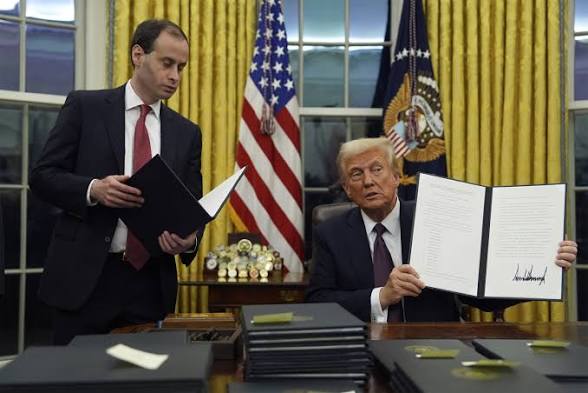
The latest presidential pardon controversy has ignited fierce debate across the United States, triggering political outrage, legal analysis, and intense public reaction. From lawmakers demanding investigations to supporters defending executive authority, the newest wave of clemency decisions has once again placed the power of presidential pardons at the center of American politics.
Presidential pardons have always carried enormous political weight. They can free convicted individuals, erase federal penalties, and reshape public narratives overnight. But when presidents pardon allies, political figures, celebrities, or controversial defendants, the reaction often becomes explosive.
In recent months, several high-profile clemency decisions linked to former President Donald Trump generated headlines, criticism, and public protests. Critics argue that modern clemency powers are increasingly political, while supporters claim presidents are simply exercising constitutional authority.
This growing controversy has revived national conversations about accountability, justice, executive power, and whether the U.S. Constitution needs limits on pardon authority.
What Is Presidential Clemency?
Presidential clemency refers to the constitutional power granted to U.S. presidents to reduce or forgive federal criminal penalties. This power includes:
- Pardons
- Commutations
- Reprieves
- Amnesty
The clemency authority comes from Article II of the U.S. Constitution. It allows presidents to forgive federal crimes, except in cases involving impeachment.
Historically, presidents from both political parties have used this authority. Some pardons were praised as compassionate or corrective. Others became major scandals that damaged public trust.
One of the most famous examples remains the pardon of Richard Nixon by President Gerald Ford after the Watergate scandal. The move sparked accusations of a secret political deal and became one of the most controversial pardon decisions in American history.
Similarly, President Bill Clinton faced backlash for controversial last-minute pardons tied to wealthy political donors and well-connected individuals.
Why the Latest Pardon Shock Triggered Political Chaos
The newest clemency controversy erupted after reports surfaced that politically connected individuals and allies received favorable treatment through presidential pardons.
According to multiple reports, critics claim the current pardon process increasingly rewards political loyalty, wealthy donors, and influential insiders.
Some lawmakers accused the administration of undermining the justice system by granting clemency to figures convicted of fraud, corruption, or election-related crimes.
Democratic officials and watchdog organizations also raised concerns about whether the pardon system now bypasses traditional Department of Justice review procedures.
At the same time, supporters defended the clemency decisions as lawful exercises of presidential authority, arguing that the justice system itself can become politically biased.
The debate quickly exploded across television networks, social media platforms, and congressional hearings.
Public Reaction Splits America
The public response to controversial pardons has become deeply polarized.
Supporters often view clemency decisions as corrections to unfair prosecutions or politically motivated cases. Critics, however, see them as examples of elite favoritism and abuse of power.
The reaction intensified after some January 6 defendants received clemency consideration. Police organizations, legal experts, and some Republican lawmakers criticized those moves, arguing they sent the wrong message about violence against law enforcement.
At the same time, many conservative commentators praised the pardons as efforts to correct what they described as politically selective prosecutions.
This divide reflects broader political polarization in the United States. Nearly every controversial pardon now becomes part of a larger ideological battle over justice, democracy, and executive authority.
Celebrities and High-Profile Figures Enter the Debate
Several celebrities and public personalities have also become connected to pardon controversies.
Reality television stars Todd Chrisley and Julie Chrisley faced renewed public scrutiny after receiving presidential pardons tied to fraud convictions. Todd Chrisley later claimed critics were angry not because of the pardon itself, but because of who issued it.
Public debate also intensified around discussions involving possible clemency for controversial figures linked to the Jeffrey Epstein scandal network. Reports indicated strong bipartisan backlash against any potential pardon discussions involving Ghislaine Maxwell.
These high-profile cases amplified media attention and turned legal discussions into cultural flashpoints.
Critics Warn About “Transactional Pardons”
A major criticism emerging in 2026 centers on what analysts describe as “transactional pardons.”
Some investigative reports and legal analysts argue that modern clemency decisions increasingly benefit wealthy insiders, political allies, and powerful supporters.
One report suggested that critics believe clemency has shifted away from correcting injustice and toward rewarding loyalty or political influence.
Legal experts warn this trend could damage public confidence in the justice system. Opponents argue that ordinary Americans rarely receive the same level of consideration as politically connected individuals.
Supporters reject those accusations, insisting presidents have always used pardons strategically and politically.
The Constitutional Debate Over Clemency Power
The controversy has revived calls for reforming presidential pardon powers.
Currently, the U.S. Constitution gives presidents extremely broad clemency authority. Courts traditionally avoid interfering with presidential pardons unless constitutional boundaries are clearly violated.
Some reform advocates want:
- Greater transparency
- Independent review boards
- Restrictions on pardoning political allies
- Mandatory disclosure requirements
- Congressional oversight hearings
Others argue any restrictions would weaken constitutional checks and balances.
Legal scholars remain divided over whether reforms are even constitutionally possible without major amendments.
Historical Pardon Controversies That Shaped America
Modern controversies are not new. American history includes several famous pardon scandals.
Richard Nixon Pardon
President Gerald Ford’s decision to pardon Richard Nixon after Watergate remains one of the most controversial moments in modern political history. Critics accused Ford of protecting Nixon from accountability.
Bill Clinton’s Last-Day Pardons
Bill Clinton faced enormous criticism for pardons linked to wealthy donors and politically connected individuals. The pardon of financier Marc Rich became especially controversial.
Scooter Libby Clemency
The commutation and later pardon of Scooter Libby sparked congressional investigations and accusations of political favoritism during the George W. Bush era.
Barack Obama’s Clemency Expansion
President Barack Obama used clemency extensively for nonviolent drug offenders, arguing sentencing reforms were necessary.
These examples show that clemency controversies transcend political parties.
Media Coverage Intensifies the Political Storm
News networks, podcasts, YouTube commentators, and social media influencers have all amplified the pardon debate.
Supporters and critics often frame the same clemency decision in dramatically different ways. Some media outlets portray pardons as constitutional protections against government overreach. Others describe them as dangerous abuses of executive power.
The rise of online political content has intensified emotional reactions and accelerated public polarization.
Hashtags connected to pardon controversies frequently trend across platforms, while cable news panels dedicate hours to analyzing each new development.
How Social Media Shapes Public Opinion
Social media now plays a major role in pardon controversies.
Within minutes of clemency announcements, reactions flood platforms including:
- X
- TikTok
Memes, viral clips, opinion threads, and political commentary rapidly influence public perception.
In some cases, online outrage has pressured lawmakers to launch investigations or publicly respond to clemency decisions.
At the same time, supporters use social media to defend pardoned individuals and criticize what they view as biased media narratives.
This digital battle often shapes how the broader public understands complex legal issues.
Could Congress Limit Presidential Pardons?
Constitutional experts say limiting pardon power would be extremely difficult.
Because clemency authority is explicitly granted by the Constitution, Congress has limited ability to restrict it directly.
However, lawmakers may still pursue:
- Ethics reforms
- Transparency laws
- Disclosure requirements
- Oversight hearings
Some scholars suggest the Supreme Court could eventually weigh in if clemency powers appear connected to corruption or obstruction of justice claims.
Others argue courts historically avoid challenging presidential pardon authority.
The legal uncertainty ensures the debate will continue for years.
Why This Issue Matters Beyond Politics
The clemency debate goes beyond partisan politics.
At its core, the controversy raises major questions about:
- Equal justice
- Executive power
- Accountability
- Political influence
- Public trust
Supporters believe presidents need broad authority to correct injustices and counter flawed prosecutions.
Critics worry unchecked pardon power can shield elites from consequences and weaken faith in democratic institutions.
As future elections approach, pardon controversies are likely to remain powerful political weapons for both parties.
Conclusion
The latest pardon shock has once again exposed deep divisions in American politics. Presidential clemency remains one of the most powerful and controversial tools available to any U.S. president.
From Richard Nixon to Marc Rich, from Scooter Libby to modern political allies, controversial pardons have repeatedly shaped public trust and political history.
Today’s debate reflects broader national tensions surrounding justice, power, and political accountability. While supporters defend clemency as a constitutional safeguard, critics argue the system increasingly favors the powerful and politically connected.
With investigations, media scrutiny, and public outrage continuing to grow, the political storm surrounding presidential pardons is far from over.
FAQs
What is a presidential pardon?
A presidential pardon forgives a federal crime and removes legal penalties associated with a conviction.
Can a president pardon anyone?
A president can pardon individuals for federal crimes, except in impeachment cases.
Why are presidential pardons controversial?
They become controversial when politically connected individuals, allies, or celebrities receive clemency.
Can Congress stop presidential pardons?
Congress cannot directly block constitutional pardon powers, but lawmakers can pursue reforms and oversight measures.
What is the difference between a pardon and a commutation?
A pardon forgives the crime entirely, while a commutation reduces a sentence without removing the conviction.
Which presidential pardon was most controversial?
Many historians consider Gerald Ford’s pardon of Richard Nixon among the most controversial in U.S. history.
Are presidential pardons common?
Yes. Every modern president has issued pardons or commutations during their presidency.
Why are people debating clemency powers in 2026?
Recent high-profile pardons involving political allies and public figures reignited debate about executive authority and justice fairness.
How useful was this post?
Click on a star to rate it!
Average rating 0 / 5. Vote count: 0
No votes so far! Be the first to rate this post.
About the Author

usa5911.com
Administrator
Hi, I’m Gurdeep Singh, a professional content writer from India with over 3 years of experience in the field. I specialize in covering U.S. politics, delivering timely and engaging content tailored specifically for an American audience. Along with my dedicated team, we track and report on all the latest political trends, news, and in-depth analysis shaping the United States today. Our goal is to provide clear, factual, and compelling content that keeps readers informed and engaged with the ever-changing political landscape.