El Chapo Story: Drug Empire, Life Sentence, Ongoing Cartel Influence
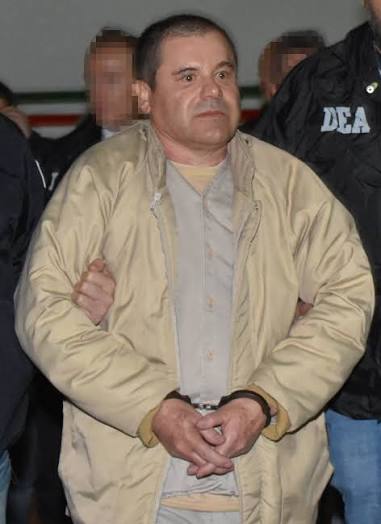
The El Chapo story is one of the most gripping and controversial crime sagas in modern history. From humble beginnings in rural Mexico to becoming one of the most powerful drug lords in the world, Joaquín “El Chapo” Guzmán built a criminal empire that reshaped global drug trafficking.
Even after his capture and life imprisonment, the influence of his cartel continues to ripple across continents. This article explores his rise, empire, arrest, trial, and the ongoing impact of the Sinaloa Cartel today.
Who Is El Chapo?
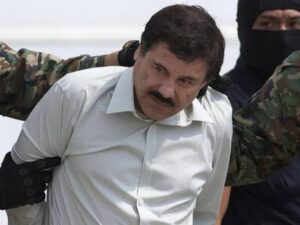
Joaquín ‘El Chapo’ Guzmán was born in Sinaloa, Mexico, into a poor farming family. His nickname “El Chapo,” meaning “Shorty,” came from his short stature.
He began his journey in the drug trade at a young age, working with established traffickers before eventually building his own network. By the late 1980s, he founded what would become the Sinaloa Cartel, one of the most powerful criminal organizations in history.
Rise of a Drug Empire
From Poverty to Power
El Chapo’s rise wasn’t accidental. He combined strategic thinking with ruthless execution. Starting as a low-level trafficker, he quickly climbed the ranks by:
- Managing drug routes into the United States
- Building alliances with other cartels
- Eliminating rivals through violence
By the 1990s, he had established himself as a dominant figure in the global drug trade.
Innovative Smuggling Techniques
One of El Chapo’s biggest strengths was innovation. He revolutionized drug trafficking by:
- Constructing underground tunnels across borders
- Using hidden compartments in vehicles
- Creating international distribution networks
These methods allowed him to move massive quantities of drugs worldwide, making him one of the most successful traffickers in history.
The Sinaloa Cartel: A Global Network
What Made It So Powerful?
The Sinaloa Cartel became a global powerhouse under El Chapo’s leadership. It trafficked:
- Cocaine
- Heroin
- Methamphetamine
- Marijuana
The cartel operated across North America, Europe, and beyond, supplying drugs to some of the largest markets.
Corruption and Influence
A major factor behind its success was corruption. El Chapo’s organization reportedly bribed officials at multiple levels, ensuring safe passage for shipments and protection from law enforcement.
This combination of violence and corruption helped maintain dominance over competitors.
Violence and Reputation
While some portrayed El Chapo as a “Robin Hood” figure, the reality was far more brutal.
His cartel was responsible for:
- Thousands of murders
- Kidnappings and torture
- Violent turf wars
The organization used fear to maintain control, employing hitmen to eliminate threats and enforce loyalty.
Arrests and Dramatic Escapes
First Arrest (1993)
El Chapo was first captured in Guatemala and extradited to Mexico. He was sentenced to prison for drug trafficking and murder.
Daring Escape (2001)
In one of the most infamous prison breaks ever, El Chapo escaped from a maximum-security prison—reportedly hidden in a laundry cart.
This escape made him a legend in criminal circles and a top global fugitive.
Capture and Second Escape (2014–2015)
After years on the run, he was captured again in 2014. However, in 2015, he escaped once more—this time through a mile-long underground tunnel built directly into his prison cell.
Final Capture (2016)
Authorities finally recaptured him in 2016 after a dramatic shootout, ending his years as a fugitive.
Trial and Life Sentence
Extradition to the United States
In 2017, El Chapo was extradited to the United States to face trial.
Historic Trial (2019)
The trial revealed shocking details about:
- His vast drug empire
- Corruption networks
- Violent operations
He was convicted on multiple charges, including drug trafficking and organized crime.
Life Imprisonment
El Chapo was sentenced to life in prison and is currently held in a maximum-security facility in Colorado.
This marked the end of his personal reign—but not the end of his cartel.
Ongoing Cartel Influence
Despite El Chapo’s imprisonment, the Sinaloa Cartel remains a dominant force.
Leadership After El Chapo
Power shifted to:
- His sons, known as “Los Chapitos”
- Other senior cartel leaders
These factions continue to operate and expand the cartel’s influence.
Global Drug Trade Continues
Experts note that removing a cartel leader rarely dismantles the organization. The Sinaloa Cartel still:
- Supplies drugs globally
- Maintains strong distribution networks
- Adapts to law enforcement strategies
Even after his conviction, the cartel’s operations continued largely unaffected.
Recent Developments (2026 Context)
Recent reports show that the cartel’s influence extends beyond crime into politics. Authorities have accused officials of collaborating with cartel factions linked to El Chapo’s legacy.
These developments highlight a key reality:
The cartel’s power persists—even without its founder.
Why El Chapo’s Story Still Matters
1. Global Impact
El Chapo’s operations influenced drug markets worldwide, shaping supply chains that still exist today.
2. Evolution of Organized Crime
His strategies—especially logistics and corruption—set a blueprint for modern cartels.
3. Ongoing Violence
Cartel-related violence continues to affect communities, particularly in Mexico.
Myths vs Reality
| Myth | Reality |
|---|---|
| El Chapo was a hero | He led a violent criminal empire |
| His arrest ended the cartel | The cartel still operates |
| He worked alone | He led a vast network |
Legacy of El Chapo
El Chapo’s legacy is complex:
- Criminal mastermind: Built one of the largest drug empires
- Symbol of corruption: Exposed systemic weaknesses
- Cultural figure: Became part of global pop culture
However, his story ultimately reflects the devastating impact of organized crime.
Conclusion
The El Chapo story is more than just the rise and fall of a drug lord—it is a case study in power, corruption, and global crime networks.
While El Chapo himself is now behind bars for life, the system he built continues to operate. His story serves as a reminder that dismantling organized crime requires more than capturing a single leader.
FAQs
1. Who is El Chapo?
El Chapo, whose real name is Joaquín Guzmán, is a Mexican drug lord who led the Sinaloa Cartel.
2. Why is he called El Chapo?
The nickname means “Shorty” in Spanish, referring to his height.
3. What crimes did El Chapo commit?
He was involved in drug trafficking, murder, kidnapping, and organized crime.
4. Where is El Chapo now?
He is serving a life sentence in a maximum-security prison in the United States.
5. Is the Sinaloa Cartel still active?
Yes, it remains one of the most powerful drug cartels in the world.
6. Who leads the cartel now?
Leadership has shifted to his sons and other senior figures.
7. Did his arrest stop drug trafficking?
No, drug trafficking continues through established networks.
How useful was this post?
Click on a star to rate it!
Average rating 0 / 5. Vote count: 0
No votes so far! Be the first to rate this post.
About the Author

usa5911.com
Administrator
Hi, I’m Gurdeep Singh, a professional content writer from India with over 3 years of experience in the field. I specialize in covering U.S. politics, delivering timely and engaging content tailored specifically for an American audience. Along with my dedicated team, we track and report on all the latest political trends, news, and in-depth analysis shaping the United States today. Our goal is to provide clear, factual, and compelling content that keeps readers informed and engaged with the ever-changing political landscape.