Alert Ready Canada Test: Emergency Alarm Blast, Phones Buzz, Public Reacts
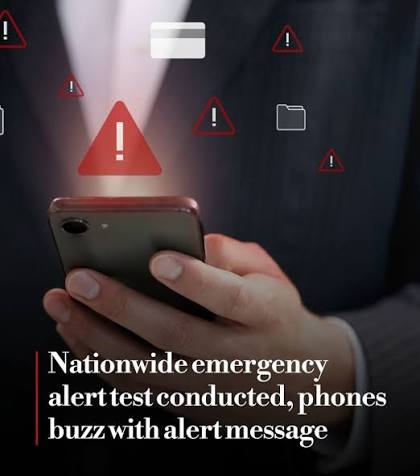
Canada’s emergency alert system once again grabbed national attention as millions of citizens experienced a sudden, loud alarm on their phones, televisions, and radios. The Alert Ready Canada Test is designed to prepare the country for real emergencies—but every time it happens, it sparks widespread public reaction, confusion, and conversation.
In May 2026, Canadians across most provinces were hit with the familiar, piercing alert tone as part of a nationwide test of the Alert Ready system. While officials insist the exercise is critical for safety, many citizens still find the experience startling—even alarming.
This article breaks down everything you need to know about the Alert Ready Canada test: how it works, why it matters, what happened in 2026, and how the public is reacting.
What Is the Alert Ready Canada System?
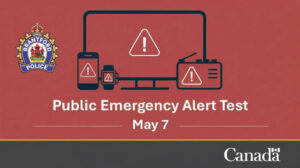
The Alert Ready system is Canada’s national public alerting network. It delivers urgent, potentially life-saving messages to citizens during emergencies such as:
- Severe weather (tornadoes, floods)
- Wildfires
- Amber Alerts
- Civil emergencies
The system operates under the broader framework of the National Public Alerting System, which ensures alerts reach people quickly through multiple platforms.
Unlike regular notifications, Alert Ready messages are mandatory and cannot be disabled on compatible devices.
Why Did Phones Buzz Across Canada?
In May 2026, the government conducted a scheduled nationwide test of the alert system. These tests are typically held twice a year—once in spring and once in fall—to ensure everything functions properly.
Key highlights of the 2026 test:
- Alerts were sent across most provinces and territories
- Broadcast through phones, TV, and radio simultaneously
- Featured the distinct loud siren tone
- Required no action from the public
The goal? To ensure Canadians recognize the alert and respond appropriately in real emergencies.
When Did the 2026 Alert Ready Test Happen?
The 2026 test was conducted on May 6 and May 7 across different regions, aligning with Emergency Preparedness Week.
- Some provinces received alerts on May 6
- Others, like Ontario, had scheduled alerts on May 7
- Quebec and a few regions did not participate in this round
These staggered timings help reduce network overload and ensure effective testing nationwide.
How Does the Alert Ready System Work?
The system is a highly coordinated network involving federal, provincial, and local authorities.
Step-by-Step Process:
- Emergency authority identifies a threat
- Alert is created and entered into a central system
- Message is distributed instantly across platforms
- Citizens receive alerts on devices in affected areas
The backbone of this system is the NAAD (National Alert Aggregation and Dissemination) system, which ensures rapid delivery.
Why Is the Alarm So Loud?
If you’ve ever heard an Alert Ready notification, you know—it’s impossible to ignore.
The loud tone is intentional. It is designed to:
- Grab immediate attention
- Override silent mode on phones
- Ensure people respond quickly
Even if your phone is on silent or “Do Not Disturb,” the alert will still sound. This is because the system prioritizes life-saving communication over user settings.
Public Reaction: Shock, Confusion, and Debate
Every Alert Ready test sparks a wave of public reactions—and 2026 was no exception.
Common Reactions:
- Surprise and panic: Many users were startled by the sudden loud noise
- Confusion: Some thought it was a real emergency
- Frustration: Complaints about alerts interrupting daily life
Social media often fills with posts like:
- “Why is my phone screaming?”
- “That alert scared me!”
- “Can we turn this off?”
Interestingly, some people even contact emergency services mistakenly—something officials strongly advise against.
Why You Can’t Opt Out
One of the most controversial aspects of Alert Ready is that you cannot disable these alerts.
This policy exists because:
- Alerts are considered critical for public safety
- Opt-out options could risk lives
- The system treats all alerts as high-priority
However, this has led to criticism, especially when alerts are sent broadly rather than locally.
Real-Life Uses of Alert Ready
Beyond tests, the system has been used in real emergencies, including:
- Tornado warnings
- Wildfire evacuations
- Amber Alerts for missing children
As of early 2026, dozens of alerts had already been issued for real incidents across Canada.
Benefits of the Alert Ready System
Despite criticism, the system offers major advantages:
1. Saves Lives
Immediate alerts help people act quickly in dangerous situations.
2. Wide Reach
Messages are sent to millions of devices simultaneously.
3. No Subscription Needed
Everyone with a compatible device receives alerts automatically.
4. Multi-Platform Delivery
Alerts appear on phones, TV, and radio for maximum coverage.
Criticism and Challenges
While effective, the system isn’t perfect.
Key Issues:
- Alert fatigue: Frequent alerts may reduce urgency perception
- Over-broadcasting: Alerts sometimes reach unaffected areas
- Technical gaps: Some users don’t receive alerts due to device compatibility
Officials continue to refine the system to address these concerns.
What Should You Do When You Receive an Alert?
Whether it’s a test or real emergency, here’s what you should do:
During a Test:
- Stay calm
- No action required
- Use it as a learning moment
During a Real Emergency:
- Read the message carefully
- Follow instructions immediately
- Stay informed via official sources
Why These Tests Are Important
Testing ensures that:
- The system works across all networks
- Devices receive alerts correctly
- Citizens recognize the alert tone
Without regular testing, the system could fail when it matters most.
Global Context: Not Just Canada
Canada isn’t alone in using such systems. Similar alert systems exist worldwide, including:
- Wireless Emergency Alerts (USA)
- Government alert systems in the UK and EU
- Cell broadcasting systems in countries like India
These systems share a common goal: protecting lives through instant communication.
Future of Emergency Alerts in Canada
The Alert Ready system continues to evolve. Future improvements may include:
- More targeted alerts
- Improved accessibility features
- Better device compatibility
- Enhanced multilingual support
As technology advances, so will the effectiveness of emergency communication.
Final Thoughts
The Alert Ready Canada Test may be loud, disruptive, and sometimes controversial—but it plays a critical role in national safety.
While public reactions range from surprise to frustration, the core purpose remains clear: saving lives during emergencies.
The next time your phone buzzes with that unmistakable alarm, remember—it’s not just noise. It’s a system designed to protect you.
FAQs
1. What is the Alert Ready Canada test?
It is a nationwide test of Canada’s emergency alert system to ensure it works properly during real emergencies.
2. Why did my phone make a loud noise?
The alert includes a loud tone designed to grab attention and ensure you notice it immediately.
3. Can I turn off Alert Ready notifications?
No, emergency alerts cannot be disabled on compatible devices.
4. Is the alert a real emergency?
During scheduled tests, no action is required. Real alerts will include instructions.
5. How often are Alert Ready tests conducted?
Typically twice a year—once in spring and once in fall.
6. What types of emergencies trigger alerts?
Severe weather, wildfires, Amber Alerts, and other life-threatening situations.
I
How useful was this post?
Click on a star to rate it!
Average rating 0 / 5. Vote count: 0
No votes so far! Be the first to rate this post.
About the Author

usa5911.com
Administrator
Hi, I’m Gurdeep Singh, a professional content writer from India with over 3 years of experience in the field. I specialize in covering U.S. politics, delivering timely and engaging content tailored specifically for an American audience. Along with my dedicated team, we track and report on all the latest political trends, news, and in-depth analysis shaping the United States today. Our goal is to provide clear, factual, and compelling content that keeps readers informed and engaged with the ever-changing political landscape.