Marco Rubio Move: Iran War Strategy, Global Pressure, US Leads Response
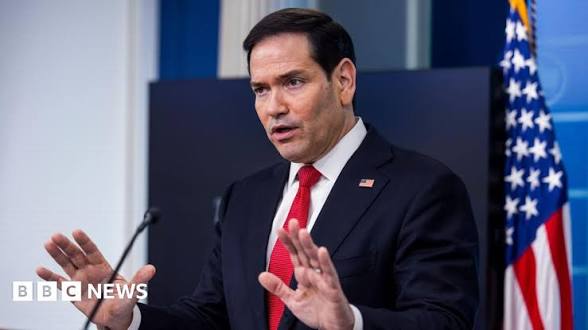
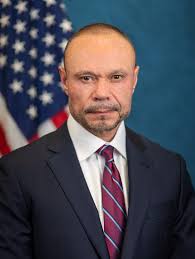
The evolving conflict between the United States and Iran has placed Marco Rubio at the center of global attention. As the U.S. Secretary of State, Rubio’s strategic decisions are shaping not only military actions but also diplomatic negotiations and international alliances.
From launching operations to securing oil routes and pushing for negotiations, Rubio’s approach reflects a complex blend of hard power and diplomacy. As tensions ripple across the Middle East and beyond, the world is watching how the United States leads the response under mounting global pressure.
Background: The 2026 Iran Conflict
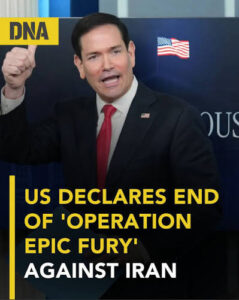
The current crisis stems from escalating tensions over Iran’s nuclear ambitions, regional influence, and maritime security concerns. The situation intensified after the 2026 Iran war, which saw coordinated military strikes and retaliation across the region.
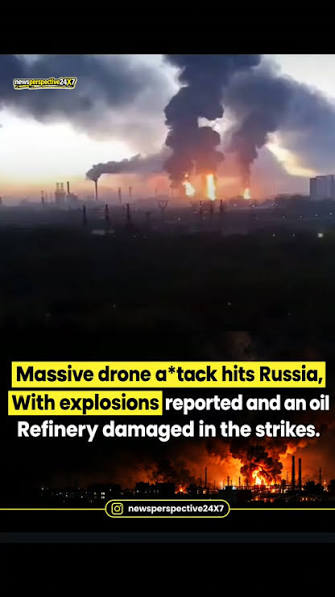
The United States, alongside allies, initiated operations targeting Iranian military infrastructure. Iran responded with missile and drone attacks, while also disrupting global trade by threatening the Strait of Hormuz—one of the world’s most critical oil routes.
This escalation created a global crisis affecting energy markets, diplomacy, and security.
Marco Rubio’s Core Strategy Explained
1. Military Pressure with Defined Objectives
Rubio has consistently emphasized that the U.S. military campaign is not open-ended. Instead, it focuses on specific objectives, including:
- Weakening Iran’s military capabilities
- Preventing nuclear weapon development
- Ensuring freedom of navigation in key waterways
He has stated that the goal is to degrade Iran’s ability to threaten global security, not to engage in prolonged occupation or regime change.
Recent reports suggest that the U.S. has already achieved several of its operational targets during initial campaigns.
2. Transition from War to Controlled Operations
One of Rubio’s most notable moves has been shifting from large-scale military operations to more targeted missions.
After concluding major combat efforts, the U.S. launched “Project Freedom”, aimed at securing maritime routes in the Strait of Hormuz. This initiative focuses on:
- Protecting civilian shipping
- Preventing economic disruption
- Stabilizing global oil supply
Rubio described this as a defensive and humanitarian mission, marking a transition away from direct conflict.
3. Strategic Use of Diplomacy
Despite aggressive military actions, Rubio has also pushed for diplomatic engagement.
Recent developments indicate that the U.S. and Iran are close to a potential agreement, possibly involving:
- Limits on uranium enrichment
- Removal of highly enriched nuclear material
- Long-term monitoring mechanisms
Negotiations have reportedly reached advanced stages, highlighting Rubio’s dual-track approach of pressure and negotiation.
Global Pressure and International Reactions
1. Allies Support—but With Caution
U.S. allies, including NATO members and G7 nations, have expressed measured support for American actions.
While many agree on preventing Iran from acquiring nuclear weapons, there is hesitation about:
- Prolonged military involvement
- Escalation risks
- Economic consequences
Some countries prefer focusing on maritime security rather than direct military engagement.
2. Rising Tensions in Congress
Domestically, Rubio’s strategy has sparked debate in Washington.
Key concerns include:
- Whether the administration bypassed congressional approval
- The legality of military actions
- The long-term strategy and exit plan
Lawmakers have demanded greater transparency, especially regarding nuclear policies and regional alliances.
3. Middle East Dynamics
The Iran conflict has also reshaped regional politics:
- Gulf nations are pushing for stability
- Israel’s role remains central
- Saudi Arabia and others are reassessing nuclear policies
The situation has heightened fears of a broader regional arms race.
Economic Impact: Oil, Trade, and Global Markets
One of the most significant consequences of the conflict has been its effect on the global economy.
Oil Prices Surge
Disruptions in the Strait of Hormuz have led to:
- Rising oil prices
- Supply chain instability
- Increased inflation pressures worldwide
Given that a large portion of global oil passes through this route, even minor disruptions can have massive economic consequences.
Trade Disruptions
The conflict has stranded thousands of civilians and disrupted maritime trade routes. Efforts like Project Freedom aim to restore normalcy, but uncertainty remains high.
Humanitarian Concerns
Beyond strategy and economics, the conflict has had serious humanitarian consequences.
- Civilian casualties have been reported
- Thousands remain stranded in conflict zones
- Regional instability has increased
Rubio has emphasized humanitarian efforts, particularly in ensuring safe passage for civilians and ships.
Criticism of Rubio’s Strategy
Despite some successes, Rubio’s approach has faced criticism from multiple fronts.
1. Lack of Clear Endgame
Critics argue that while objectives are defined, the long-term vision remains unclear.
Some lawmakers describe the conflict as a “war of choice” without a solid strategic endpoint.
2. Risk of Escalation
There are concerns that continued pressure could:
- Trigger wider regional conflict
- Involve more global powers
- Lead to unintended consequences
3. Legal and Constitutional Issues
Questions have been raised about whether the administration complied with U.S. war powers laws.
Rubio has defended the actions as necessary for national security, but debates continue.
Strengths of Rubio’s Approach
Despite criticism, Rubio’s strategy has several notable strengths:
1. Balanced Strategy
Combining military pressure with diplomacy creates flexibility.
2. Focused Objectives
Clear goals prevent mission drift.
3. Global Leadership
The U.S. remains at the center of international coordination.
Future Outlook: What Happens Next?
The future of the conflict depends on several key factors:
1. Success of Negotiations
If talks succeed, the region could see de-escalation.
2. Iran’s Internal Decisions
Iran’s leadership divisions may influence outcomes.
3. Global Cooperation
International support will be crucial in maintaining stability.
Conclusion
Marco Rubio’s handling of the Iran conflict reflects a high-stakes balancing act between military strength and diplomatic engagement.
His strategy has:
- Achieved initial military objectives
- Shifted toward stabilization efforts
- Opened pathways for negotiation
However, challenges remain, including political opposition, global uncertainty, and the risk of escalation.
As the situation evolves, Rubio’s decisions will continue to shape not only U.S. foreign policy but also the broader geopolitical landscape.
FAQs
1. What is Marco Rubio’s role in the Iran conflict?
Marco Rubio, as U.S. Secretary of State, is leading diplomatic and strategic efforts, including negotiations and global coordination.
2. What is “Project Freedom”?
It is a U.S. initiative aimed at securing maritime routes in the Strait of Hormuz and ensuring safe passage for ships.
3. Has the U.S. achieved its military goals?
According to official statements, many initial objectives have been achieved, though the situation remains ongoing.
4. Are the U.S. and Iran negotiating a deal?
Yes, reports indicate that both sides are close to a potential agreement involving nuclear restrictions.
5. What are the global impacts of the conflict?
The conflict has affected oil prices, trade routes, and geopolitical stability worldwide.
How useful was this post?
Click on a star to rate it!
Average rating 0 / 5. Vote count: 0
No votes so far! Be the first to rate this post.
About the Author

usa5911.com
Administrator
Hi, I’m Gurdeep Singh, a professional content writer from India with over 3 years of experience in the field. I specialize in covering U.S. politics, delivering timely and engaging content tailored specifically for an American audience. Along with my dedicated team, we track and report on all the latest political trends, news, and in-depth analysis shaping the United States today. Our goal is to provide clear, factual, and compelling content that keeps readers informed and engaged with the ever-changing political landscape.