Viktor Orbán: EU Clash, Migration Stance, Ukraine Policy, Power Tension
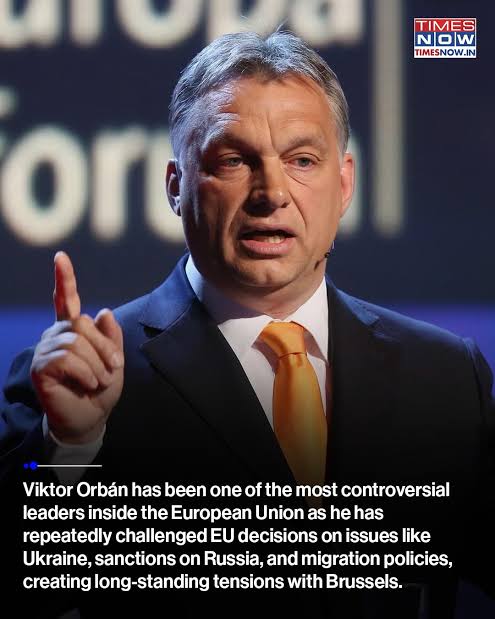
For more than a decade, Viktor Orbán dominated European political debates with his nationalist agenda and confrontational stance toward the European Union. His policies on migration, relations with Ukraine, and internal governance placed Hungary at the center of political tensions across Europe.
Orbán’s leadership shaped Hungary into what he described as an “illiberal democracy,” frequently clashing with Brussels over democratic standards, border security, and economic cooperation. However, the political landscape dramatically shifted in 2026, when Orbán lost power after 16 years, signaling potential changes in Hungary’s relationship with Europe.
Understanding Orbán’s EU clashes, migration policies, and Ukraine stance helps explain how power tensions developed—and why they continue to shape European politics today.
The Rise of Viktor Orbán and His Political Influence
Early Leadership and Ideological Foundations
Viktor Orbán first rose to power in Hungary in 2010, leading the Fidesz party to repeated electoral victories. His governance style emphasized national sovereignty, cultural identity, and skepticism toward international institutions.
Orbán’s approach reshaped Hungary’s political structure, centralizing power and reducing institutional independence. Critics argued that these changes weakened democratic checks and balances, while supporters believed they strengthened national unity and stability.
Under his leadership, Hungary became a model for populist movements worldwide, inspiring leaders advocating nationalist governance and stricter border policies.
Consolidation of Power and Institutional Control
Orbán governed Hungary through four consecutive supermajority victories, allowing his administration to amend laws and reshape institutions. His government faced criticism from international organizations for restricting academic freedoms and tightening media control.
European leaders accused Hungary of undermining democratic norms, resulting in tensions that would later evolve into full-scale conflicts with the European Union.
EU Clash: Hungary vs Brussels
Rule-of-Law Disputes
One of the most significant conflicts between Orbán and the European Union involved rule-of-law concerns. Brussels froze billions of euros in funding to Hungary due to concerns about corruption, judicial independence, and democratic governance.
These disputes became symbolic of a broader ideological struggle between liberal European institutions and nationalist governments. The funding freeze intensified tensions, limiting Hungary’s access to essential development resources.
Policy Vetoes and Strategic Resistance
Orbán frequently used Hungary’s veto power within EU institutions to block decisions he considered harmful to national interests. This tactic frustrated European leaders and slowed collective policy efforts.
In particular, Hungary resisted EU initiatives related to sanctions, energy transitions, and security measures. Orbán argued that Hungary’s sovereignty must remain intact, even if it meant standing alone against the majority.
These repeated vetoes created ongoing power tensions and deepened mistrust between Hungary and Brussels.
Migration Stance: A Hardline Border Policy
Opposition to EU Migration Plans
Migration became one of Orbán’s defining political themes. He strongly opposed the EU’s migration policies, including relocation quotas that required member states to share responsibility for migrants.
Orbán criticized the EU’s migration pact, claiming it weakened border security and threatened European identity. He repeatedly warned that uncontrolled migration could destabilize the European Union.
The EU’s New Pact on Migration and Asylum, set to take effect in 2026, aimed to distribute migrant responsibilities across member states. However, Orbán remained skeptical, insisting on stricter national control over immigration policies.
Border Security Measures
Hungary constructed border fences and introduced strict immigration controls during the migration crisis. Orbán promoted these measures as necessary for protecting national sovereignty.
Supporters praised his policies for reducing illegal border crossings, while critics argued they violated humanitarian obligations and international law.
Migration debates became central to Orbán’s domestic popularity, reinforcing his nationalist political identity.
Ukraine Policy: A Controversial Approach
Opposition to Ukraine’s EU Membership
Orbán maintained a cautious stance regarding Ukraine’s integration into European institutions. Hungary blocked the opening of accession talks with Ukraine in 2025, citing security risks and economic concerns.
Orbán argued that allowing Ukraine into the EU during wartime could destabilize the union and increase financial burdens on member states.
This position placed Hungary at odds with most EU nations, which supported Ukraine’s long-term integration into Europe.
Relations with Russia and Energy Politics
Another major source of controversy was Hungary’s relationship with Vladimir Putin and continued reliance on Russian energy supplies.
Hungary opposed strict energy sanctions against Russia, arguing that cutting ties would harm national energy security. Critics accused Orbán of weakening European unity against Russian aggression.
Hungary’s refusal to support certain sanctions created tensions within the EU and complicated the bloc’s collective response to geopolitical threats.
Power Tensions and International Influence
Orbán’s Global Alliances
Orbán built strong relationships with conservative leaders worldwide, positioning himself as a champion of nationalist politics.
His leadership attracted attention from global figures and movements seeking alternatives to liberal democratic governance.
However, his alignment with controversial policies created diplomatic challenges and strained Hungary’s partnerships within Europe.
Economic Pressure and Funding Disputes
Financial tensions intensified political disagreements between Hungary and the EU. Frozen EU funds and regulatory disputes limited Hungary’s economic flexibility.
These economic pressures contributed to political instability and fueled public dissatisfaction, ultimately influencing Hungary’s political future.
The 2026 Turning Point: Orbán’s Loss of Power
Historic Election Defeat
In April 2026, Viktor Orbán suffered a major political defeat after 16 years in power, losing to reformist leader Péter Magyar.
Magyar’s victory marked a dramatic shift in Hungary’s political direction, signaling public dissatisfaction with corruption allegations and economic stagnation.
European leaders welcomed the election outcome, hoping it would restore cooperation between Hungary and EU institutions.
Market and Policy Reactions
Financial markets responded positively to Orbán’s defeat, with Hungary’s currency strengthening and investor confidence increasing.
EU officials viewed the change in leadership as an opportunity to unblock financial aid and improve cooperation on security and migration policies.
Migration and Security in Post-Orbán Europe
Orbán’s legacy continues to influence migration debates across Europe. His hardline border policies remain popular among certain political groups.
Even after his departure, migration policy remains one of the most contentious issues in EU politics. Many leaders continue to debate whether stricter borders or shared responsibility systems offer better solutions.
Ukraine War and Regional Stability
The ongoing war in Ukraine remains a major factor shaping European security policy.
Hungary’s previous resistance to military support for Ukraine complicated EU decision-making, highlighting divisions among member states.
Future leaders must balance national interests with regional security responsibilities to maintain stability in Europe.
Long-Term Impact of Orbán’s Leadership
Rise of Nationalist Politics
Orbán’s leadership significantly influenced the growth of nationalist movements across Europe.
Many political parties adopted similar rhetoric emphasizing national identity, border security, and resistance to globalization.
His governance style demonstrated how nationalist leaders could reshape domestic and international politics.
Debate Over Democratic Values
Orbán’s policies sparked global debates about the future of democracy.
Critics described Hungary’s political system as moving away from liberal democratic norms, while supporters argued it represented a legitimate alternative political model.
These debates remain central to discussions about Europe’s political future.
EU Unity vs National Sovereignty
The ongoing tension between national sovereignty and collective EU governance remains one of Europe’s biggest challenges.
Orbán’s confrontational approach highlighted the limits of centralized authority within multinational unions.
Future EU reforms may attempt to address these structural tensions while maintaining unity among diverse member states.
Future Outlook: Hungary and the European Union
Hungary’s political future remains uncertain following Orbán’s departure.
New leadership aims to restore relations with Brussels while maintaining national priorities.
However, migration, energy security, and Ukraine policy will likely remain sources of debate for years to come.
Key Takeaways
- Viktor Orbán led Hungary for 16 years, shaping nationalist politics in Europe.
- His government frequently clashed with the European Union over democratic rules and funding.
- Migration policy became a defining issue during his leadership.
- Hungary resisted Ukraine’s EU integration and certain sanctions against Russia.
- Orbán’s defeat in 2026 marked a major shift in Hungary’s political direction.
FAQs
Who is Viktor Orbán?
Viktor Orbán is a Hungarian politician who served as prime minister from 2010 to 2026. He is known for nationalist policies and conflicts with the European Union.
Why did Viktor Orbán clash with the EU?
Orbán clashed with the EU over issues such as rule-of-law standards, migration policies, and democratic governance. The EU froze funds to Hungary due to governance concerns.
What is Viktor Orbán’s stance on migration?
Orbán supported strict border controls and opposed EU migration quotas, arguing they threatened national sovereignty and security.
What was Viktor Orbán’s position on Ukraine?
He opposed Ukraine’s rapid EU integration and resisted certain sanctions against Russia, citing national economic interests.
Why did Viktor Orbán lose power in 2026?
Orbán lost power due to economic challenges, corruption allegations, and public dissatisfaction, leading to the victory of reformist leader Péter Magyar.
What happens after Orbán’s defeat?
Hungary’s new leadership aims to restore cooperation with the EU and improve relations with European partners.
Conclusion
Viktor Orbán’s political journey reflects the growing divide between nationalist and liberal visions of Europe. His clashes with the European Union, strict migration stance, and controversial Ukraine policy placed Hungary at the center of international debates.
Even after his defeat in 2026, Orbán’s legacy continues to shape discussions about sovereignty, security, and democracy across Europe. Understanding his policies provides insight into the future of European politics—and the challenges that lie ahead.
How useful was this post?
Click on a star to rate it!
Average rating 0 / 5. Vote count: 0
No votes so far! Be the first to rate this post.
About the Author

usa5911.com
Administrator
Hi, I’m Gurdeep Singh, a professional content writer from India with over 3 years of experience in the field. I specialize in covering U.S. politics, delivering timely and engaging content tailored specifically for an American audience. Along with my dedicated team, we track and report on all the latest political trends, news, and in-depth analysis shaping the United States today. Our goal is to provide clear, factual, and compelling content that keeps readers informed and engaged with the ever-changing political landscape.