Trump Asks Doocy:Am I The Most Transparent,Panic,WW3
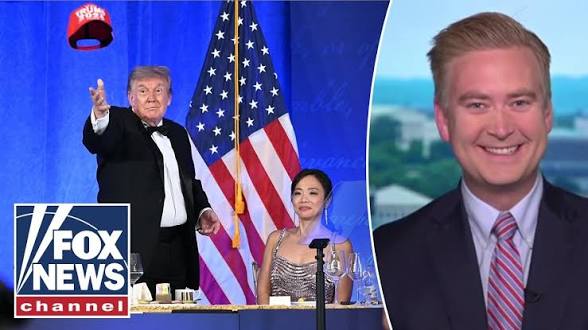
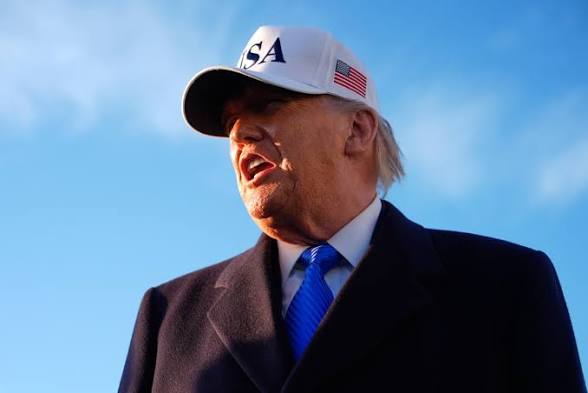
Donald Trump once again placed transparency and media relations at the center of the political conversation after asking Fox News White House correspondent Peter Doocy a direct question during a recent public appearance. Trump asked, “Am I the most transparent?”, prompting laughter from those present and renewed debate across political circles and social media. The exchange quickly generated headlines because it highlighted Trump’s long-running claim that he is among the most open presidents in American history.
Although some online posts used dramatic phrases such as “Panic” and “WW3” in connection with the clip, there is no evidence that the exchange itself triggered any international crisis or emergency. Instead, the moment became another example of Trump’s often informal interactions with reporters during press events.
Trump and Peter Doocy Exchange Explained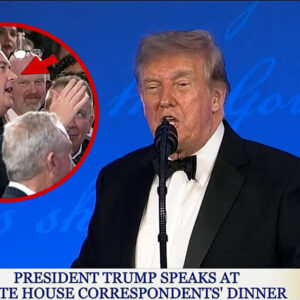
The exchange occurred while President Donald Trump was speaking with members of the press. During his remarks, Trump praised his administration’s openness before turning toward Fox News correspondent Peter Doocy.
According to the available transcript, Trump joked:
“Who’s the most transparent president, Peter?… Am I the most transparent?”
The exchange produced laughter from attendees before Trump continued answering additional questions from reporters.
The interaction immediately attracted attention because Peter Doocy has become one of the best-known White House reporters in recent years, frequently asking challenging questions regardless of which administration occupies the White House.
Why Transparency Has Become One of Trump’s Favorite Themes
Transparency has been a recurring message throughout Trump’s political career.
During both his first and current presidential terms, Trump has repeatedly argued that his administration has been unusually accessible to reporters. He has often cited:
- Frequent press conferences
- Long question-and-answer sessions
- Cabinet meetings open to cameras
- Availability for spontaneous interviews
- Direct communication with reporters
Trump has previously declared that he is “the most transparent president in history,” making similar remarks on numerous occasions dating back several years.
Because of this history, the recent question directed toward Peter Doocy fits into a broader communication strategy rather than representing an entirely new claim.
Peter Doocy’s Role in White House Coverage
Peter Doocy has established himself as one of the most recognizable White House correspondents in American politics.
His reporting style often includes:
- Direct policy questions
- Follow-up questions
- Requests for clarification
- Questions regarding foreign policy
- Economic issues
- Immigration
- National security
Doocy has questioned multiple presidential administrations and has become known for exchanges that frequently generate viral clips online.
Trump has generally maintained a more conversational relationship with Doocy than with several other journalists, although disagreements occasionally occur during press briefings.
Why the Exchange Went Viral
Several reasons explain why the clip spread rapidly across social media.
1. Trump’s Unscripted Style
Trump frequently departs from prepared remarks to engage directly with reporters.
These moments often become the most widely shared portions of his appearances because they are unpredictable.
2. Peter Doocy’s Recognition
Doocy is among America’s most recognizable television correspondents.
Any exchange involving him often attracts significant public attention.
3. Transparency Debate
Whether any administration can legitimately claim to be “the most transparent” remains a subject of political debate.
Supporters often point to media accessibility.
Critics argue that transparency involves more than simply answering questions, including disclosure practices and government accountability.
How Supporters Responded
Trump supporters viewed the exchange as another example of his willingness to answer questions without lengthy preparation.
Many argued that:
- Trump regularly speaks with reporters.
- He frequently takes unscripted questions.
- He allows extended media interactions.
- His accessibility distinguishes him from previous administrations.
Supporters also noted that lengthy question-and-answer sessions have become common during many public appearances.
Critics Offered a Different View
Political opponents challenged Trump’s statement.
They argued that transparency cannot be measured solely by the number of press interactions.
Instead, they suggested evaluating factors such as:
- Public disclosure of information
- Government record access
- Policy documentation
- Official accountability
- Independent oversight
Independent fact-checking organizations have previously examined Trump’s claims regarding transparency and concluded that the issue is more complex than simply counting press conferences.
No Evidence Supporting “WW3” Claims
Some online headlines paired the Doocy exchange with phrases like:
- Panic
- World War III
- Global crisis
However, current reporting provides no evidence that Trump’s remarks to Peter Doocy were connected to any immediate military escalation or international emergency.
Such wording appears designed primarily to attract attention rather than accurately describe the event.
Historical Perspective: How Presidential Transparency Has Been Viewed
Every modern U.S. president has faced questions about transparency. While administrations often promise openness, public perception depends on many factors, including access to information, responsiveness to the press, and compliance with legal disclosure requirements.
Presidents such as Ronald Reagan, Bill Clinton, George W. Bush, Barack Obama, Joe Biden, and Donald Trump have each received both praise and criticism regarding transparency. Political supporters typically highlight openness in communication, while critics focus on issues they believe demonstrate limited accountability.
Because transparency can be measured in different ways, experts caution against declaring any administration as definitively “the most transparent.”
Why the Trump–Doocy Exchange Resonated
The exchange between Trump and Peter Doocy gained traction because it reflected Trump’s communication style. Rather than sticking strictly to prepared remarks, Trump often engages directly with reporters and injects humor into press interactions.
This approach creates moments that are easily shared on television and social media. Even brief exchanges can generate extensive discussion because they combine politics, media, and personality.
For supporters, the question reinforced Trump’s image as a leader willing to speak openly with journalists. For critics, it provided another opportunity to debate whether accessibility alone equates to genuine transparency.
Social Media Reaction
Following the exchange, users across social media platforms expressed a wide range of opinions.
Common reactions included:
- Supporters praising Trump’s willingness to answer questions.
- Critics arguing that transparency involves more than frequent media appearances.
- Political commentators analyzing the significance of the exchange.
- News organizations sharing video clips and transcripts.
- Users creating memes and humorous posts based on Trump’s question.
As with many high-profile political moments, the discussion quickly expanded beyond the original exchange and became part of broader debates about government communication.
The Importance of Media Access
Media access plays a vital role in democratic governance. Regular opportunities for journalists to question public officials help inform citizens about government policies and decisions.
White House correspondents from various news organizations ask questions on topics such as:
- Domestic policy
- Foreign affairs
- National security
- Immigration
- The economy
- Healthcare
- Emergency response
Regardless of political affiliation, these exchanges contribute to public understanding of government actions.
Understanding Clickbait Headlines
The title “Trump Asks Doocy: Am I The Most Transparent, Panic, WW3” contains emotionally charged phrases that are common in online headlines.
Readers should distinguish between:
- Verified facts reported by credible news organizations.
- Opinion or commentary.
- Speculative claims.
- Sensational wording intended to attract clicks.
In this case, while Trump did ask Peter Doocy whether he was the “most transparent” president, there is no verified evidence linking that exchange to any World War III-related development or widespread panic.
Evaluating information from multiple reliable sources helps readers better understand major political events.
Why Political Communication Matters
Political communication shapes how governments present policies and respond to public concerns.
Leaders often use public appearances to:
- Explain policy decisions.
- Address national issues.
- Respond to criticism.
- Build public confidence.
- Communicate with both supporters and opponents.
At the same time, journalists play an important role by asking questions that seek clarification and accountability.
The interaction between elected officials and the press remains an essential part of democratic systems around the world.
What This Means Going Forward
The Trump–Doocy exchange is likely to remain one of many memorable moments from White House press interactions. While the question itself was brief, it sparked broader discussions about transparency, media access, and political messaging.
Future debates over presidential transparency will likely continue regardless of which administration is in office, as expectations for openness evolve alongside changes in media, technology, and public engagement.
Conclusion
Donald Trump’s question to Fox News correspondent Peter Doocy—asking whether he is the “most transparent” president—quickly became a widely discussed political moment. The exchange highlighted Trump’s longstanding emphasis on accessibility to the press and generated varied reactions from supporters, critics, journalists, and political analysts.
Although some online headlines paired the story with dramatic phrases such as “Panic” and “WW3,” there is no evidence that the exchange itself was connected to an international crisis or military escalation. Instead, the moment serves as another example of how brief interactions between political leaders and journalists can dominate news cycles and social media discussions.
Ultimately, whether an administration is considered transparent depends on many factors, including media access, public disclosure, accountability, and independent oversight. Readers should rely on verified reporting and official information when evaluating such claims.
Frequently Asked Questions (FAQs)
1. What did Trump ask Peter Doocy?
Trump asked Fox News White House correspondent Peter Doocy, “Am I the most transparent?” during a public interaction with reporters.
2. Why did Trump’s question go viral?
The exchange attracted attention because of Trump’s unscripted communication style, Peter Doocy’s prominence as a White House correspondent, and ongoing debates about presidential transparency.
3. Is there any connection between this exchange and World War III?
No. There is no verified evidence linking Trump’s question to any World War III-related event or military escalation.
4. Who is Peter Doocy?
Peter Doocy is a White House correspondent for Fox News known for asking direct questions during presidential press events.
5. Has Trump previously claimed to be transparent?
Yes. Trump has repeatedly described his administration as highly transparent and has often highlighted his frequent interactions with the media.
6. What does government transparency mean?
Government transparency generally refers to openness in decision-making, public access to information, accountability, and communication with citizens and the press.
7. Why is media access important?
Media access enables journalists to question government officials, helping the public stay informed about policies, decisions, and national events.
8. Should readers trust sensational headlines?
Readers should verify sensational claims using reliable news organizations and official sources, as dramatic headlines may exaggerate or omit important context.
9. What is the focus keyphrase for this article?
The focus keyphrase is “Trump asks Doocy most transparent.”
10. What is the main takeaway from this event?
The exchange underscores the ongoing debate about presidential transparency while demonstrating how brief interactions between political leaders and reporters can generate widespread public discussion.
How useful was this post?
Click on a star to rate it!
Average rating 0 / 5. Vote count: 0
No votes so far! Be the first to rate this post.
About the Author

usa5911.com
Administrator
Hi, I’m Gurdeep Singh, a professional content writer from India with over 3 years of experience in the field. I specialize in covering U.S. politics, delivering timely and engaging content tailored specifically for an American audience. Along with my dedicated team, we track and report on all the latest political trends, news, and in-depth analysis shaping the United States today. Our goal is to provide clear, factual, and compelling content that keeps readers informed and engaged with the ever-changing political landscape.