Iran op clash: military defense, outrage surge, US debate explodes
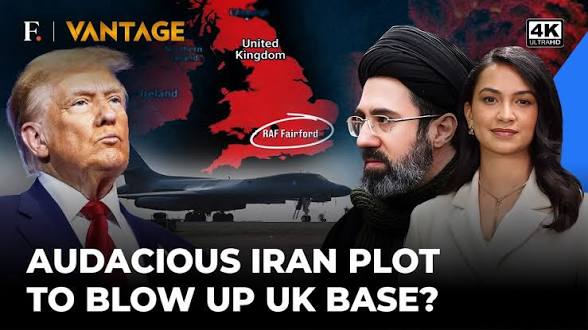
The Iran op clash has rapidly evolved into one of the most significant geopolitical crises of 2026. What began as targeted military operations has escalated into a full-scale regional confrontation involving the United States, Iran, and multiple Middle Eastern nations. The situation has triggered intense political debate in Washington, widespread outrage globally, and fears of long-term instability.
The clash highlights three critical dimensions: military defense strategies, public and international outrage, and a deepening US political divide. As airstrikes intensify and retaliatory attacks spread, the consequences are being felt not only in the Middle East but across global energy markets and diplomatic corridors.
Background of the Iran Operation Clash
The roots of the current crisis lie in rising tensions over Iran’s nuclear ambitions, missile capabilities, and regional influence. On February 28, 2026, a coordinated US-Israel operation marked a turning point, launching widespread strikes on Iranian military infrastructure.
This military action was justified by US officials as a necessary step to neutralize threats. However, critics argue that the justification of an “imminent threat” remains disputed, fueling political controversy.
The situation escalated further with major strikes like the Kharg Island raid, where over 90 military sites were targeted in a single operation.
Military Defense: Strategy and Escalation
US Military Objectives
The United States has maintained that its objectives in the Iran operation are clear:
Destroy missile launch systems
Disable Iran’s naval capabilities
Prevent nuclear weapon development
According to defense officials, thousands of targets have already been hit, including submarines, missile sites, and industrial bases.
The campaign has reportedly weakened Iran’s military capabilities significantly, with claims of major reductions in missile and drone activity.
Iran’s Defensive and Retaliatory Actions
Iran has responded with aggressive countermeasures:
Missile and drone strikes on US bases in the Gulf
Attacks on energy infrastructure across multiple countries
Strategic targeting of shipping routes
Iran’s retaliatory actions have extended beyond direct military targets, affecting global trade routes and energy security.
Regional Impact and Global Shockwaves
Energy Crisis and Economic Impact
One of the most immediate consequences of the Iran op clash has been disruption in global energy markets. Attacks on oil and gas infrastructure have caused prices to surge dramatically.
Brent crude prices have climbed sharply due to supply fears and instability in the Strait of Hormuz, a critical global shipping route.
The strike on the South Pars gas field alone disrupted a significant portion of Iran’s gas production, highlighting the economic stakes involved.
Expansion of Conflict Zone
The conflict is no longer limited to Iran:
Strikes reported in Bahrain, Kuwait, and UAE
Damage to military bases and civilian infrastructure
Rising casualties and humanitarian concerns
This expansion has raised fears of a broader Middle East war, drawing international condemnation and calls for de-escalation.
Outrage Surge: Public and Global Reaction
Civilian Casualties and Controversy
One of the most controversial aspects of the Iran op clash is the rising number of civilian casualties. A particularly shocking incident involved a strike on a school, reportedly killing over 150 children.
The Pentagon has launched an investigation into the incident, acknowledging possible targeting errors.
Such events have intensified global outrage and raised serious ethical questions about the conduct of military operations.
International Response
World leaders and organizations have reacted strongly:
European nations calling for restraint
Arab League condemning escalation
Global protests demanding ceasefire
The humanitarian dimension of the conflict is becoming a central concern in international discourse.
US Debate Explodes: Political Divide Deepens
Congressional Tensions
The Iran operation has sparked fierce debate in the United States, particularly in Congress.
Lawmakers are divided on key questions:
Was the military action justified?
Did the president have proper authorization?
What are the long-term consequences?
Some senators argue the war lacks clear legal backing, while others support it as a necessary defense measure.
Intelligence Disputes
Another major flashpoint is disagreement over intelligence assessments.
Officials have clashed over whether Iran posed an immediate threat, with some intelligence leaders avoiding clear answers in public hearings.
These disputes have fueled public skepticism and intensified political polarization.
Strategic Analysis: What Comes Next?
Military Outlook
Experts suggest that while the US may achieve tactical success, the broader strategic outcome remains uncertain.
Military superiority does not guarantee political stability, and the risk of prolonged conflict remains high.
Risk of Wider War
Key risks include:
Escalation involving regional powers
Disruption of global oil supply
Increased cyber and proxy warfare
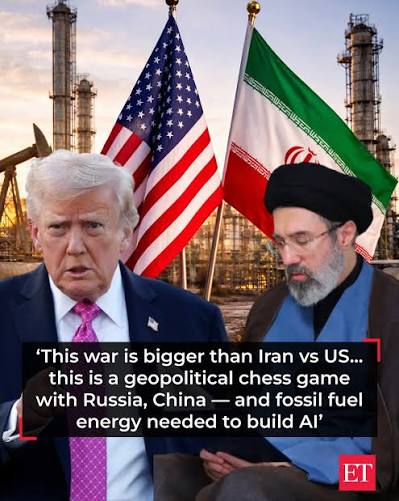
The involvement of countries like Russia and China, even indirectly, adds another layer of complexity.
Humanitarian and Geopolitical Consequences
Human Cost
The human toll continues to rise:
Civilian casualties
Displacement of populations
Damage to critical infrastructure
These factors are likely to have long-term consequences for regional stability.
Global Political Impact
The Iran op clash is reshaping global alliances:
Strained US relations with allies
Increased tensions with adversaries
Renewed focus on defense and security policies
Media, Narrative, and Public Perception
Media coverage has played a crucial role in shaping public opinion. Competing narratives—ranging from “strategic success” to “avoidable war”—highlight the complexity of the situation.
The information war surrounding the conflict is almost as intense as the military one, influencing both domestic and international perspectives.
Conclusion
The Iran op clash represents a critical moment in modern geopolitics. It is not just a military conflict but a multifaceted crisis involving defense strategy, political debate, economic disruption, and humanitarian concerns.
As the situation continues to evolve, the world watches closely. The outcome will likely shape international relations, security policies, and global stability for years to come.
FAQs
1. What is the Iran op clash?
The Iran op clash refers to the ongoing military conflict between the United States, Iran, and regional actors that began in February 2026.
2. Why did the US launch strikes on Iran?
The US stated its goal was to neutralize threats related to Iran’s missile systems and nuclear ambitions, though this justification is debated.
3. How has Iran responded?
Iran has launched retaliatory missile and drone attacks on US bases and regional infrastructure.
4. What is the impact on global oil prices?
Oil prices have surged due to disruptions in supply and threats to key shipping routes like the Strait of Hormuz.
5. Is there a risk of a wider war?
Yes, experts warn that the conflict could expand, involving more countries and escalating into a broader regional war.
6. What is the US political response?
The conflict has triggered intense debate in Congress, with disagreements over legality, strategy, and consequences.
How useful was this post?
Click on a star to rate it!
Average rating 0 / 5. Vote count: 0
No votes so far! Be the first to rate this post.
About the Author

usa5911.com
Administrator
Hi, I’m Gurdeep Singh, a professional content writer from India with over 3 years of experience in the field. I specialize in covering U.S. politics, delivering timely and engaging content tailored specifically for an American audience. Along with my dedicated team, we track and report on all the latest political trends, news, and in-depth analysis shaping the United States today. Our goal is to provide clear, factual, and compelling content that keeps readers informed and engaged with the ever-changing political landscape.