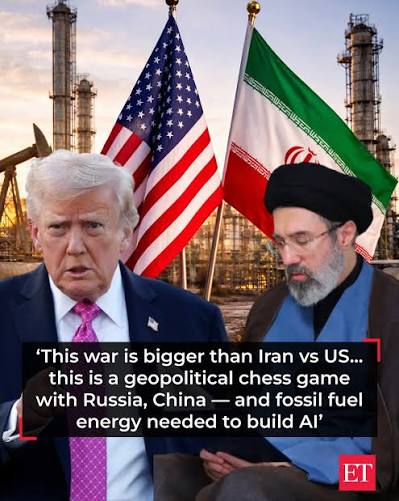
The global energy map is undergoing a dramatic transformation as Russia and Iran deepen energy cooperation while war, sanctions and disruption around the Strait of Hormuz continue to put pressure on international oil and gas markets.
The headline claim that Russia and Iran have already created an energy alliance capable of crippling American energy dominance is stronger than the evidence currently supports. However, there are clear signs of closer cooperation between Moscow and Tehran, particularly in natural gas, oil, infrastructure and efforts to reduce the impact of Western sanctions.
The stakes have become even higher because the Strait of Hormuz remains a major chokepoint for global energy supplies. On October 4, Iran said the waterway would remain closed until conditions agreed under a June understanding with Washington are fulfilled. Reuters reported that the route previously carried roughly one-fifth of global oil and liquefied natural gas flows.
At the same time, the United States continues to expand its LNG position. US LNG exports averaged 17.4 billion cubic feet per day during the first half of 2026, up 23% from the same period in 2025, according to the US Energy Information Administration.
That means the emerging Russia-Iran relationship is not simply a story about two countries versus the United States. It is a battle over energy routes, market access, sanctions resilience and geopolitical influence.
Russia and Iran Energy Cooperation Is Growing
Russia and Iran have spent years developing closer political and economic relations. Energy has become one of the most important areas of that partnership.
In March 2026, Russia’s Energy Ministry said Moscow and Tehran intended to continue implementing agreements reached through their intergovernmental commission, including joint projects in the energy sector.
The cooperation is strategically important for both governments.
Russia possesses enormous oil and natural gas resources but faces extensive Western sanctions and restrictions on energy trade. Iran also has huge hydrocarbon reserves, yet its energy sector has been constrained for years by US sanctions, investment shortages and restrictions on international financial transactions.
Consequently, both countries have an incentive to develop alternative markets and payment mechanisms.
Their cooperation could allow Moscow and Tehran to exchange technical expertise, develop infrastructure and improve access to regional markets.
However, that does not automatically mean they can replace Western energy markets or eliminate US influence.
Russian Gas Could Move Toward Iran
One of the clearest examples of growing cooperation involves Russian natural gas.
Iranian officials said in June that Tehran and Moscow were continuing negotiations over Russian gas supplies to Iran.
Iran’s deputy oil minister and National Iranian Gas Company managing director Saeed Tavakoli said the two sides had already conducted intensive negotiations. At that point, the remaining issues reportedly included the gas price and payment mechanism.
This development is significant because Iran itself has enormous natural gas resources.
At first glance, importing Russian gas may appear unusual. Yet energy markets are not simply about who possesses resources. They are also about where energy can be transported, how it can be processed and how reliably it can reach consumers.
Iran has domestic gas production but also faces seasonal shortages and infrastructure challenges. Russian gas could therefore provide additional flexibility.
For Moscow, meanwhile, cooperation with Iran could create another outlet for Russian energy and strengthen its relationships with countries outside the Western sanctions system.
Why the Strait of Hormuz Changes Everything
The biggest factor transforming the current energy environment is the Strait of Hormuz.
The waterway connects the Persian Gulf with the Gulf of Oman and the wider global maritime system. Its strategic importance is enormous because major energy producers in the Gulf depend on the route to export crude oil, refined products and LNG.
On October 4, Reuters reported that Iran said the Strait of Hormuz would not reopen until seven conditions linked to a June agreement with the United States were fulfilled.
That creates a major risk for global energy markets.
Even when physical supplies are available, uncertainty surrounding shipping routes can raise prices. Tankers may face higher insurance costs, longer journeys or increased security risks.
As a result, energy markets can react strongly before an actual physical shortage develops.
The current crisis therefore gives Russia and Iran an opportunity to highlight the vulnerabilities of a global energy system that depends heavily on strategic waterways.
Russia Is Also Using Energy Secrecy as a Sanctions Tool
Moscow has taken additional steps to protect information about its energy industry.
On September 28, Russian President Vladimir Putin signed a decree restricting disclosure of information about energy and oil products, including details involving sellers, buyers, prices, routes and destinations. Reuters reported that the measure was designed in part to make Western sanctions enforcement more difficult.
The move demonstrates how important energy has become to Russia’s wider geopolitical strategy.
Oil and gas are not simply commodities for Moscow. They are also sources of revenue, diplomatic leverage and strategic influence.
By controlling information about transactions, Russia can make it more difficult for outside governments and organizations to track the movement of sanctioned energy.
Iran has faced similar challenges for years.
Therefore, closer Russian-Iranian cooperation could potentially create a larger network of energy trade that operates outside traditional Western financial and commercial channels.
The US Energy Position Is Still Extremely Strong
Despite the dramatic headline, it would be misleading to suggest that Russia and Iran have already crippled US energy dominance.
The United States remains a major global energy producer and exporter.
US LNG exports reached an average of 17.4 Bcf/d during the first six months of 2026, representing a 23% increase from the same period in 2025, according to the EIA.
The Department of Energy also reported that US LNG exports reached 521.1 billion cubic feet in June alone, with shipments going to 37 countries.
That international customer base matters.
American LNG provides an alternative for countries that want to diversify away from a single supplier or politically vulnerable route.
In Europe and Asia, this flexibility can have strategic value.
Therefore, the emerging Russia-Iran relationship should be understood as a challenge to US energy influence rather than proof that American energy leadership has collapsed.
The Real Battle Is About Energy Routes
The next phase of the energy competition may be less about who has the largest reserves and more about who controls transportation networks.
Russia has extensive pipeline infrastructure and access to European and Asian markets.
Iran sits in a strategically important location between the Persian Gulf, Central Asia, the Caucasus and South Asia.
Together, the two countries could explore opportunities involving pipeline networks, swaps, refineries, petroleum products and regional energy trading.
That geographic position could become particularly important if sanctions continue to divide global energy markets into competing networks.
Iran has already shown interest in regional gas swaps and transit arrangements.
Russian gas moving toward Iran, Iranian energy moving north, and regional swaps could create new trading routes that reduce dependence on traditional Western-controlled financial and shipping systems.
Yet major infrastructure projects require enormous investment.
They also require political stability, financing, insurance, technology and reliable customers.
Those obstacles should not be underestimated.
China Could Become the Biggest Beneficiary
Russia and Iran are not operating in isolation.
China is another major factor in the changing energy system.
Beijing has developed extensive economic ties with both Moscow and Tehran. China also remains one of the world’s largest energy consumers.
That creates a potential triangle in which Russia supplies energy, Iran provides geographic access and additional resources, while China provides a huge market.
Such a structure could weaken the effectiveness of unilateral Western sanctions.
However, there are limits.
China has its own interests and is unlikely to automatically follow every Russian or Iranian strategic objective.
Beijing wants secure and affordable energy supplies above all else.
That means China can cooperate with Russia and Iran while simultaneously maintaining important relationships with the United States, Gulf states and other major economies.
OPEC+ Adds Another Layer of Pressure
The broader oil market is also being affected by the current geopolitical environment.
On October 4, OPEC+ agreed to keep November production targets unchanged. The group includes Russia alongside major oil-producing states. Reuters reported that Gulf producers had been pumping below their targets because of continuing export disruptions linked to the Iran conflict.
The decision comes as Brent crude remains elevated and global markets remain sensitive to developments around the Strait of Hormuz.
This creates an uncomfortable situation for energy-consuming countries.
Higher prices benefit producers but increase costs for transportation, manufacturing and households.
For Washington, energy security therefore has both a geopolitical and domestic political dimension.
Sanctions Are Becoming a Central Weapon
The United States is responding through sanctions and efforts to limit Russian and Iranian energy revenues.
In July, a bipartisan group of US senators announced an agreement on legislation targeting major purchasers of Russian oil and gas while extending sanctions affecting Iran’s energy and weapons sectors.
The proposed approach illustrates Washington’s central dilemma.
Sanctions can make energy trade more expensive and complicated for Russia and Iran.
But aggressive restrictions can also encourage targeted countries to create alternative payment systems, shipping arrangements and trading partnerships.
Over time, this can contribute to the fragmentation of global energy markets.
The result could be a world in which energy flows increasingly follow geopolitical alliances.
Could Russia and Iran Actually Cripple US Energy Dominance?
The short answer is: not at present.
The United States still possesses enormous production capacity, substantial LNG export infrastructure and access to a broad network of international customers.
The latest EIA figures demonstrate continued growth in American LNG exports.
However, Russia and Iran can create problems for US strategy in several ways.
First, they can support alternative energy routes.
Second, they can help each other withstand sanctions.
Third, they can strengthen ties with major buyers outside the Western alliance.
Fourth, they can use energy diplomacy to gain influence across Asia and the Middle East.
Finally, instability around Hormuz can increase the value of alternative suppliers and transportation routes.
So the real threat is not necessarily the disappearance of US energy power.
It is the emergence of a more fragmented global energy system.
Energy Fragmentation Could Become the New Normal
For decades, globalization encouraged energy markets to become increasingly interconnected.
Oil could be purchased from one region, transported through another and refined somewhere else.
Sanctions and geopolitical conflicts are now changing that model.
Countries increasingly want secure supplies from politically reliable partners.
That could produce several overlapping energy blocs.
One network could center on the United States and its allies.
Another could involve Russia, China, Iran and other non-Western partners.
Meanwhile, countries such as India, Turkey and Gulf states could continue balancing between different groups to protect their own economic interests.
This flexible approach could make global energy diplomacy much more complicated.
What Happens Next?
Several developments will determine whether the Russia-Iran energy relationship becomes a major strategic force.
1. Russian gas deliveries to Iran
The completion of negotiations over gas prices and payment mechanisms would be an important milestone.
2. The Strait of Hormuz
Any prolonged disruption would put additional pressure on oil and LNG markets.
3. US sanctions
Washington could increase pressure on companies and countries involved in Russian and Iranian energy transactions.
4. China
Chinese demand and investment could determine whether alternative Russia-Iran energy routes become commercially viable.
5. Infrastructure
Pipelines, terminals, refineries and transport corridors will determine whether political agreements can become real energy flows.
The Bottom Line
The phrase “energy dominance crippled” captures the fear surrounding the current geopolitical shift, but it goes beyond what the available evidence proves.
What is clear is that Russia and Iran are expanding energy cooperation while both face significant pressure from Western sanctions.
At the same time, the Strait of Hormuz crisis has exposed the vulnerability of global energy supply chains.
Russia is looking for new markets and mechanisms to protect its energy revenues. Iran wants to strengthen regional partnerships and reduce the impact of sanctions. China remains a critical consumer and potential economic partner. Meanwhile, the United States is expanding LNG exports and attempting to maintain its position as a major global energy supplier.
The result is an increasingly competitive energy landscape.
The most important question is no longer simply who produces the most oil or gas.
It is who can control the routes, financing, infrastructure and alliances that allow energy to reach consumers.
That is where the Russia-Iran partnership could become significant.
For now, however, America’s energy position remains powerful. The emerging Russia-Iran axis represents a challenge to that influence, not proof that it has already been defeated.
Frequently Asked Questions
Is Russia really forming an energy alliance with Iran?
Russia and Iran are expanding energy cooperation, including discussions over Russian gas supplies to Iran and joint energy projects. However, describing the relationship as a fully integrated energy alliance would go beyond the currently confirmed evidence.
Why is Russia cooperating with Iran on energy?
Both countries face significant Western sanctions and have incentives to develop alternative markets, payment systems and regional energy partnerships. Cooperation can also help Russia find additional outlets for its energy exports.
Why is the Strait of Hormuz so important?
The Strait of Hormuz is a critical shipping route for Middle Eastern oil and LNG exports. Disruptions can affect global energy prices even before a physical shortage develops.
Has Russia and Iran’s cooperation crippled US energy dominance?
No. Current evidence does not support that conclusion. The United States remains a major oil and gas producer and continues to expand LNG exports. US LNG exports increased 23% during the first half of 2026 compared with the same period in 2025.
Could Russia supply gas to Iran?
Russia and Iran have been negotiating Russian gas supplies to Iran. Iranian officials said in June that negotiations were continuing, with gas pricing and payment mechanisms among the remaining issues.
Could China benefit from Russia-Iran energy cooperation?
Potentially. China is a major energy consumer and maintains important economic relationships with both Russia and Iran. However, Beijing will continue to pursue its own economic and strategic interests.
What could happen if the Strait of Hormuz remains disrupted?
A prolonged disruption could increase shipping costs, tighten oil and LNG markets and push energy prices higher. The impact would depend on the duration of the disruption and the ability of producers and consumers to find alternative routes and supplies.
What is the biggest long-term energy risk for the United States?
One major risk is the fragmentation of global energy markets into competing geopolitical networks. Such fragmentation could make sanctions less effective and increase competition for energy customers, infrastructure and strategic routes.
Is the Russia-Iran partnership a threat to global energy security?
It could become a significant geopolitical factor, particularly if energy cooperation expands and regional transport networks develop. However, its ultimate impact will depend on infrastructure, investment, sanctions, demand and the stability of regional energy routes.
About the Author