IMF alert: global slowdown signals, debt pressure surge, bailout fears rise
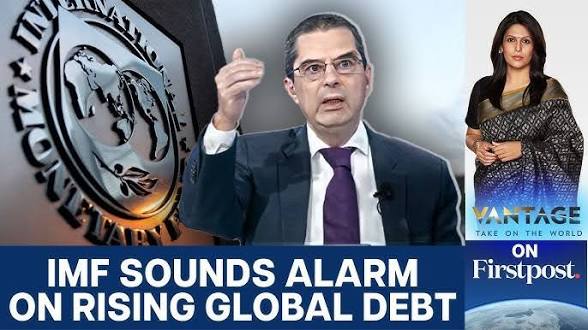
The global economy is entering a risky phase. The International Monetary Fund (IMF) has raised serious concerns about slowing economic growth, rising public debt, and increasing pressure on governments worldwide.
In recent reports and warnings, the IMF highlighted that the world may be heading toward a low-growth, high-debt era. This situation raises fears of financial instability and even large-scale bailouts in the future.
This article explains what is happening, why it matters, and how it could affect countries, businesses, and everyday people.
Global Slowdown Signals Are Getting Stronger
The IMF has repeatedly warned that global economic growth is weakening. While the world economy showed resilience after the pandemic, momentum is now fading.
Recent projections show that global growth may decline slightly in the coming years, with risks still tilted downward.
Why Growth Is Slowing
Several factors are contributing to the slowdown:
1. Trade tensions
Global trade conflicts, especially between major economies, are reducing business confidence and investment.
2. High interest rates
Central banks raised interest rates to control inflation, but this has made borrowing expensive.
3. Geopolitical conflicts
Wars and tensions are disrupting supply chains and increasing uncertainty.
4. Weak productivity growth
Many economies are struggling to improve efficiency and output.
Rising Debt Pressure Across the World
One of the biggest concerns raised by the IMF is the rapid rise in global debt.
Key Debt Trends
Global public debt is expected to approach or exceed 100% of GDP in the coming years
U.S. debt has already crossed $36 trillion, reaching about 123% of GDP
Many European countries are also facing high deficits and borrowing needs
This trend is worrying because high debt limits governments’ ability to respond to crises.
Why Debt Is Rising
1. Pandemic spending
Governments spent heavily during COVID-19 to support economies.
2. Defense and energy costs
Global tensions have increased military and energy spending.
3. Aging populations
More spending on pensions and healthcare.
4. Climate investments
Countries are investing in green energy and infrastructure.
Debt and Interest Rates: A Dangerous Combination
The IMF warns that rising debt becomes more dangerous when combined with higher interest rates.
Higher interest rates increase borrowing costs
Governments must spend more on debt servicing
Less money is available for development and welfare
As noted in IMF analysis, higher public debt makes economies more vulnerable when rates rise.
This creates a debt trap, where countries borrow more just to pay existing debt.
Bailout Fears Are Rising Again
As financial pressure builds, economists are warning about possible bailouts.
What Are Bailouts?
Bailouts happen when governments or institutions provide financial support to failing banks, companies, or even countries.
Why Bailout Risks Are Increasing
Rising debt levels
Weak economic growth
Financial market instability
Risks in new sectors like digital finance
Experts warn that financial stress could lead to situations similar to past crises, requiring large-scale intervention.
Lessons from Past Crises
History shows what can happen when debt and slowdown combine.
2008 Global Financial Crisis
Triggered by financial instability
Required massive bailouts
Led to global recession
European Debt Crisis
Countries like Greece struggled with high debt
Needed international bailout packages
These examples highlight how quickly financial problems can spread globally.
Impact on Developing Countries
Developing economies are at greater risk in this situation.
Key Challenges
1. Limited financial resources
They have less ability to borrow cheaply.
2. Currency pressure
Weak currencies increase debt burden.
3. Higher risk of default
Many low-income countries are already near debt distress.
According to IMF warnings, over 50 countries are already facing or nearing debt crisis conditions.
Impact on Developed Economies
Even advanced economies are not safe.
Major Risks
Slower economic growth
Rising fiscal deficits
Reduced policy flexibility
For example, projections show that debt in major economies could rise significantly in the coming decades, limiting their ability to respond to crises.
Financial Markets Under Pressure
Financial markets are also reacting to these risks.
Key Trends
Volatility in stock and bond markets
Reduced investor confidence
Capital shifting to safer assets
Global instability and rising borrowing costs can trigger sudden market corrections.
Is a Global Recession Coming?
The IMF does not predict an immediate global recession, but risks are increasing.
Warning Signs
Slowing growth
High debt levels
Tight financial conditions
Some economists believe the world could enter a “low-growth trap”, where economies grow slowly for many years.
What Can Governments Do?
The IMF suggests several policy measures to reduce risks.
1. Fiscal discipline
Governments must control spending and reduce deficits.
2. Structural reforms
Improve productivity and economic efficiency.
3. Better debt management
Ensure sustainable borrowing levels.
4. Global cooperation
Countries must work together to stabilize the global economy.
Role of Central Banks
Central banks face a difficult challenge.
They must balance:
Controlling inflation
Supporting economic growth
Maintaining financial stability
Raising interest rates helps control inflation but increases debt pressure.
Future Outlook: What Lies Ahead?
The global economy is at a turning point.
Possible Scenarios
1. Soft landing
Growth slows but avoids recession.
2. Stagnation
Low growth and high debt persist.
3. Crisis scenario
Financial instability leads to bailouts and recession.
The actual outcome will depend on policy decisions and global cooperation.
Why This Matters to You
Even if you are not an economist, this situation affects everyone.
Everyday Impact
Higher prices and inflation
Job market uncertainty
Increased taxes in the future
Reduced government spending
Conclusion
The IMF’s warning is clear: the world is facing a dangerous mix of slow growth and rising debt.
While the situation is not yet a crisis, risks are increasing. Without strong policy action, the global economy could face serious challenges in the coming years.
Governments, businesses, and individuals must prepare for uncertainty and adapt to a changing economic landscape.
FAQs
1. What is the IMF warning about?
The IMF is warning about slowing global growth, rising debt levels, and increasing risks of financial instability.
2. Why is global debt rising?
Debt is rising due to pandemic spending, higher government costs, and long-term structural issues like aging populations.
3. What are bailout fears?
Bailout fears refer to the possibility that governments may need to rescue failing financial institutions or economies.
4. Is a global recession expected?
Not immediately, but risks are increasing due to slow growth and high debt.
5. Which countries are most at risk?
Developing countries are more vulnerable, but advanced economies also face challenges.
6. How can this affect common people?
It can lead to inflation, job uncertainty, and reduced public services.
How useful was this post?
Click on a star to rate it!
Average rating 0 / 5. Vote count: 0
No votes so far! Be the first to rate this post.
About the Author

usa5911.com
Administrator
Hi, I’m Gurdeep Singh, a professional content writer from India with over 3 years of experience in the field. I specialize in covering U.S. politics, delivering timely and engaging content tailored specifically for an American audience. Along with my dedicated team, we track and report on all the latest political trends, news, and in-depth analysis shaping the United States today. Our goal is to provide clear, factual, and compelling content that keeps readers informed and engaged with the ever-changing political landscape.