China pressure: US trade tension, tech restrictions surge, global impact rises
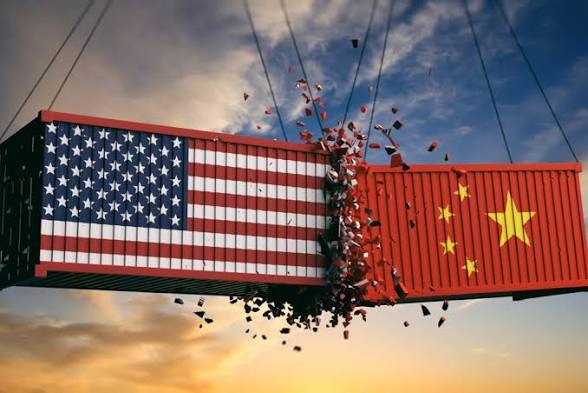
The relationship between China and the United States has entered a new phase of strategic competition. While both economies remain deeply interconnected, tensions are rising across trade, technology, and global influence. From tariffs to semiconductor restrictions, the rivalry is reshaping global markets and forcing businesses to adapt.
In 2026, the situation is more complex than ever. Despite temporary trade truces, underlying tensions continue to grow. Governments, companies, and investors are closely watching how this power struggle evolves—and what it means for the future of globalization.
Rising Trade Tensions Between China and the US
Trade tensions between China and the US are not new. However, recent developments show a renewed escalation in economic pressure.
Recent policy actions include revised export controls on advanced semiconductors and new tariffs targeting key industries. For instance, the US introduced updated rules requiring strict certification for exporting AI-related chips to China, alongside tariffs on semiconductor imports.
At the same time, industry groups in the US are pushing for tighter restrictions on Chinese imports, especially in sectors like electric vehicles.
Even diplomatic efforts have not fully eased tensions. Talks between economic leaders have focused on stabilizing relations, but disagreements over tariffs and technology controls remain unresolved.
Technology at the Center of the Conflict
Technology has become the main battleground in the China-US rivalry. The US is increasingly restricting China’s access to advanced technologies, especially in semiconductors and artificial intelligence.
In recent years, Washington has banned exports of high-performance chips, electronic design software, and other critical technologies.
These restrictions aim to slow China’s technological rise. However, they have also triggered strong responses from Beijing, including tighter controls on rare earth exports—materials essential for electronics and defense systems.
This back-and-forth has created a cycle of action and retaliation, increasing uncertainty for global tech companies.
Semiconductor War and AI Competition
The semiconductor industry is at the heart of this conflict. Chips power everything from smartphones to military systems, making them a strategic asset.
The US has implemented export controls to limit China’s access to advanced chips. At the same time, tariffs on semiconductor-related products are being used as leverage in trade negotiations.
Interestingly, policy shifts sometimes soften restrictions. For example, certain export rules have moved from strict bans to case-by-case approvals, showing how economic interests and security concerns are constantly balanced.
Despite restrictions, China is investing heavily in domestic chip production, aiming to reduce reliance on foreign technology. This has accelerated the global race for semiconductor dominance.
Global Supply Chain Disruptions
One of the biggest impacts of US-China tensions is on global supply chains. Companies are no longer relying solely on China for manufacturing.
Instead, many are adopting a “China + 1” strategy—diversifying production to countries like India, Vietnam, and Indonesia.
This shift is driven by rising tariffs, geopolitical risks, and the need for supply chain resilience. Businesses are moving from “just-in-time” production to “just-in-case” models, increasing inventory and reducing dependency on a single region.
However, this transition is not easy. China remains deeply integrated into global supply chains, and replacing its manufacturing ecosystem takes time and investment.
Economic Impact on Global Markets
The ripple effects of China-US tensions are being felt worldwide. Trade barriers are increasing costs, slowing growth, and creating uncertainty in financial markets.
Higher tariffs act as indirect taxes, raising prices for consumers and businesses.
In Europe and other regions, trade tensions between the two superpowers are affecting exports and economic stability. Analysts warn that prolonged conflict could reduce global trade growth and disrupt investment flows.
At the same time, some countries are benefiting from trade diversion, attracting manufacturing investments that are shifting away from China.
Business Response and Strategic Adjustments
Businesses around the world are adapting to the new trade environment. Companies are:
Diversifying supply chains
Increasing local production
Investing in risk management strategies
Reducing dependence on single markets
Surveys show that many firms now consider geopolitical risk a key factor in decision-making.
In fact, a significant percentage of companies are planning to reduce their exposure to China due to ongoing tensions and uncertainty.
China’s Strategic Response
China is not standing still. The country is actively reshaping its economic strategy to counter US pressure.
Key actions include:
Investing in domestic technology development
Expanding trade partnerships with emerging markets
Strengthening control over critical resources like rare earths
Promoting alternative global trade frameworks
China is also focusing on influencing global standards and digital infrastructure, aiming to maintain its position in the global economy.
Geopolitical Implications
The China-US trade conflict is not just economic—it is deeply geopolitical. It reflects a broader struggle for global leadership.
This competition affects:
Military technology
Energy security
International alliances
Global governance structures
Even diplomatic events, such as delayed summits or trade talks, can impact market sentiment and policy direction.
Impact on Emerging Economies
Emerging economies are both winners and losers in this scenario.
Opportunities
Increased foreign investment
Growth in manufacturing sectors
Integration into global supply chains
Challenges
Exposure to global volatility
Dependence on external demand
Pressure to align with either China or the US
Countries like India are increasingly seen as alternatives for manufacturing, benefiting from shifting global trade patterns.
Future Outlook: What Lies Ahead?
The future of China-US trade relations remains uncertain. While temporary agreements may reduce tensions, structural issues are unlikely to disappear.
Key trends to watch include:
Continued tech decoupling
Expansion of export controls
Growth of regional trade blocs
Increased investment in domestic industries
Experts believe that even during periods of stability, geopolitical risk will remain a permanent feature of global trade.
Conclusion
The rising pressure between China and the United States is reshaping the global economic landscape. Trade tensions, technology restrictions, and geopolitical rivalry are creating a new era of competition.
For businesses and governments, adaptability is key. The world is moving toward a more fragmented, risk-aware, and strategically driven trade environment.
While challenges remain, opportunities also exist for those who can navigate this complex and evolving global system.
FAQs
1. Why are China and the US in a trade conflict?
The conflict is driven by economic competition, trade imbalances, national security concerns, and technological rivalry.
2. What are tech restrictions in the China-US conflict?
They include export bans on advanced chips, AI technologies, and software, aimed at limiting China’s technological growth.
3. How do trade tensions affect global markets?
They increase costs, disrupt supply chains, and create uncertainty in investments and economic growth.
4. What is the “China + 1” strategy?
It refers to companies diversifying manufacturing to other countries to reduce dependence on China.
5. Who benefits from China-US trade tensions?
Countries like India and Vietnam benefit as companies shift production away from China.
6. Will China-US tensions continue in the future?
Yes, experts believe tensions will persist due to structural competition and geopolitical rivalry
How useful was this post?
Click on a star to rate it!
Average rating 0 / 5. Vote count: 0
No votes so far! Be the first to rate this post.
About the Author

usa5911.com
Administrator
Hi, I’m Gurdeep Singh, a professional content writer from India with over 3 years of experience in the field. I specialize in covering U.S. politics, delivering timely and engaging content tailored specifically for an American audience. Along with my dedicated team, we track and report on all the latest political trends, news, and in-depth analysis shaping the United States today. Our goal is to provide clear, factual, and compelling content that keeps readers informed and engaged with the ever-changing political landscape.