Glasgow Fire : city center blaze, station shutdown chaos
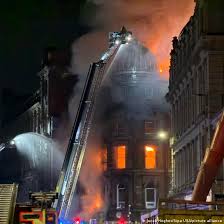
A devastating Glasgow fire in the heart of the city has caused widespread disruption, forcing the shutdown of one of the United Kingdom’s busiest railway hubs. The blaze erupted in a building near Glasgow Central Station, sending massive flames and thick smoke into the sky and bringing large parts of the city center to a standstill.
Emergency services rushed to the scene as firefighters battled the inferno that destroyed a historic building on Union Street. The disaster not only caused structural collapse but also triggered the temporary closure of the station, affecting thousands of commuters and travelers across Scotland.
Authorities confirmed that no casualties were reported, but the incident has left businesses destroyed, transport networks disrupted, and major questions about safety and urban infrastructure.
This article explores everything you need to know about the Glasgow city center blaze, including what caused the fire, how it affected the railway station, and what happens next.
What Happened in the Glasgow Fire?

The fire broke out on March 8, 2026, in a commercial building on Union Street in central Glasgow. Initial reports indicate that the blaze started inside a vape shop, quickly spreading through the four-story building due to flammable materials and the structure’s age.
The flames rapidly intensified, forcing firefighters to deploy dozens of emergency personnel and specialist vehicles to control the situation. At least 60 firefighters and multiple fire engines were dispatched to tackle the inferno.
The fire soon engulfed the entire building, leading to a partial structural collapse. Witnesses described the scene as dramatic, with explosions believed to be caused by lithium batteries used in vape devices.
As the blaze raged, authorities evacuated nearby buildings and sealed off several streets around the busy transport hub.
Impact on Glasgow Central Station
The fire’s proximity to Glasgow Central Station had immediate consequences.
Rail authorities confirmed the station had to be closed indefinitely, suspending all train services due to safety concerns and structural damage nearby.
Key disruptions included:
Cancellation of multiple ScotRail services
Suspension of high-level platform operations
Low-level trains passing through without stopping
Limited replacement transport for passengers
Officials warned that travel disruption could last several days as engineers assess the safety of the area.
Because the station is Scotland’s busiest rail hub, the shutdown caused ripple effects across the national rail network.
Chaos Across the City Center
The Glasgow fire created a chain reaction of disruption across the city center.
Major roads around Union Street and Gordon Street were closed as emergency crews worked to contain the blaze. Businesses and hotels near the scene were evacuated due to smoke and structural risks.
Thousands of commuters found themselves stranded as trains were canceled and transport services struggled to adjust routes.
Local businesses reported devastating losses, including:
Cafes and restaurants
Hair salons and beauty shops
Small independent stores
Several owners confirmed their premises were destroyed in the blaze.
Eyewitness Accounts of the Blaze
People who witnessed the Glasgow fire described scenes of shock and confusion.
Many reported hearing loud bangs shortly before flames engulfed the building. Some believe exploding vape batteries may have contributed to the rapid spread of the fire.
Eyewitness descriptions included:
Thick black smoke visible across the skyline
Flames shooting through the roof
Emergency sirens filling the streets
Firefighters using high-reach ladders to battle the blaze
Residents said the destruction looked “like something out of wartime bombing,” highlighting the scale of the damage.
Emergency Response and Firefighting Efforts
The Scottish Fire and Rescue Service launched a major response operation.
Firefighters worked for several hours to control the inferno using high-reach appliances, water jets, and specialist equipment.
The main priorities were:
Preventing the fire from spreading to nearby historic buildings
Protecting the railway infrastructure
Ensuring no civilians remained inside the building
Despite the severity of the blaze, authorities confirmed no fatalities or serious injuries, which officials described as remarkable given the scale of destruction.
Damage to Historic Buildings
The fire destroyed a Victorian-era commercial property built in the 19th century, raising concerns about heritage loss in Glasgow’s historic district.
The building, part of a historic block near the station, suffered a collapse of its dome structure and upper floors during the fire.
Heritage experts warned that older structures in dense city centers are particularly vulnerable to fires because of:
Wooden internal structures
Limited fire barriers
Dense commercial occupancy
Authorities are now assessing whether nearby buildings suffered structural damage.
Government Reaction to the Glasgow Fire
Scotland’s First Minister John Swinney described the blaze as “horrific” and pledged financial support for recovery efforts.
The government also announced plans to review safety regulations for vape shops and businesses that store lithium batteries.
Local officials emphasized the importance of rebuilding affected businesses and helping workers whose jobs were impacted.
Community fundraising campaigns quickly raised tens of thousands of pounds to support business owners who lost their livelihoods.
Possible Cause of the Fire
Although investigations are ongoing, early reports suggest the blaze began in a vape shop located on the ground floor of the building.
Experts believe several factors may have contributed:
Lithium battery explosions
Flammable liquids used in vaping products
Electrical faults or equipment overheating
Lithium batteries are known to pose fire risks when damaged or improperly stored, which could explain the explosions witnesses reported.
Fire investigators are now analyzing debris and surveillance footage to determine the exact cause.
Economic Impact on Glasgow
The Glasgow fire could have lasting economic consequences for the city.
Key impacts include:
1. Transport Disruption
With Glasgow Central Station closed, rail travel across Scotland faced severe disruption.
2. Tourism Impact
Hotels near the station were temporarily evacuated, affecting tourists visiting the city.
3. Business Losses
Multiple small businesses were destroyed, leading to job losses and financial hardship.
4. Infrastructure Repairs
Repairing damaged buildings and ensuring rail safety may take weeks or even months.
Safety Concerns and Regulatory Debate
The blaze has sparked renewed debate over urban fire safety.
Experts say city centers with historic buildings face unique risks, especially when businesses store flammable materials.
Key concerns include:
Fire safety inspections for vape stores
Storage regulations for lithium batteries
Building fire suppression systems
Authorities are expected to review safety rules to prevent similar incidents in the future.
What Happens Next?
Several investigations are now underway following the Glasgow fire.
Authorities are focusing on:
Determining the exact cause of the blaze
Assessing structural damage to surrounding buildings
Planning repairs and reopening the station
Providing support for affected businesses
Rail operators say the station will reopen only after thorough safety inspections.
Lessons From the Glasgow Fire
The Glasgow blaze highlights the risks associated with modern retail businesses operating inside historic buildings.
Important lessons include:
Fire safety rules must adapt to new technologies
Lithium battery storage needs stricter regulation
Historic city centers require stronger fire prevention systems
Experts say these measures could prevent similar disasters in the future.
Conclusion
The Glasgow fire that erupted near Glasgow Central Station has become one of the city’s most dramatic recent disasters. While no lives were lost, the blaze destroyed buildings, disrupted national rail travel, and caused widespread chaos across the city center.
As investigations continue, authorities face the challenge of rebuilding damaged areas, supporting affected businesses, and ensuring that safety regulations evolve to prevent similar tragedies.
For residents and travelers alike, the incident serves as a stark reminder of how quickly a single fire can impact an entire city.
FAQs
What caused the Glasgow fire?
Initial reports suggest the blaze started in a vape shop on Union Street, possibly involving lithium battery explosions. Investigations are ongoing.
Was anyone injured in the Glasgow city center fire?
Authorities confirmed that no fatalities or serious injuries were reported despite the large scale of the blaze.
Why was Glasgow Central Station closed?
The station was closed because the fire occurred in a building directly next to it, causing structural collapse and safety concerns.
How long will Glasgow Central Station remain closed?
Officials say the station will reopen only after safety inspections are completed, and there is currently no confirmed reopening date.
How many firefighters responded to the blaze?
More than 60 firefighters and multiple fire engines were deployed to tackle the fire.
Did the fire destroy businesses?
Yes. Several small businesses, including cafes and shops, were destroyed in the blaze.
How useful was this post?
Click on a star to rate it!
Average rating 0 / 5. Vote count: 0
No votes so far! Be the first to rate this post.
About the Author

usa5911.com
Administrator
Hi, I’m Gurdeep Singh, a professional content writer from India with over 3 years of experience in the field. I specialize in covering U.S. politics, delivering timely and engaging content tailored specifically for an American audience. Along with my dedicated team, we track and report on all the latest political trends, news, and in-depth analysis shaping the United States today. Our goal is to provide clear, factual, and compelling content that keeps readers informed and engaged with the ever-changing political landscape.