Ross Davidson Guilty: Ex-Spandau Ballet Singer Convicted, Court Shock
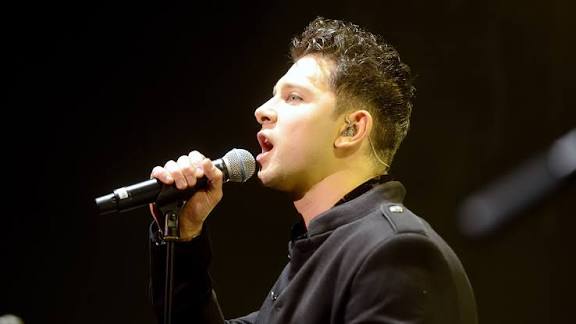
Ross Davidson, 37, who used the stage name Ross Wild, was found guilty of raping one woman and attempting to rape another. Today we will discuss about Ross Davidson Guilty: Ex-Spandau Ballet Singer Convicted, Court Shock
Ross Davidson Guilty: Ex-Spandau Ballet Singer Convicted, Court Shock
In a verdict that has reverberated across the entertainment and legal worlds, former Spandau Ballet singer Ross Davidson, who also performed under the stage name Ross Wild, has been found guilty of rape, attempted rape, and sexual assault by a jury at Wood Green Crown Court in London. The conviction follows a high-profile trial that exposed disturbing conduct spanning several years and multiple countries, sending shockwaves through the music industry and raising serious questions about power, fame, and accountability.
The case has attracted intense public interest because of Davidson’s association with one of Britain’s most iconic pop bands and his previous success in musical theatre. What once appeared to be a story of talent and opportunity has now turned into a cautionary tale about abuse, consent, and the long arm of justice.
Who Is Ross Davidson?

Ross William Davidson is a Scottish singer and songwriter who built a career in both musical theatre and popular music. He appeared in major stage productions, including the Queen-themed musical We Will Rock You, and later gained wider recognition when he stepped in as a touring vocalist for the legendary 1980s band Spandau Ballet.
Spandau Ballet, famous for timeless hits such as True and Gold, played a defining role in the New Romantic movement. Although Davidson was not an original member, his association with the group placed him in a position of high visibility and prestige within the UK music scene. For fans, he represented a continuation of a beloved legacy. For the courts, however, he would soon become the central figure in a serious criminal prosecution.
The Criminal Charges
Davidson faced multiple counts of rape, attempted rape, and sexual assault relating to two separate incidents involving different women in different countries.
The London Case (2015)
The first incident took place in North London in 2015. According to the prosecution, Davidson met a woman through a dating application and invited her to his home. The evening initially appeared consensual, but the woman later testified that she woke up to find Davidson engaging in sexual activity without her consent.
She told the court that she felt frozen, frightened, and unable to resist, a reaction that prosecutors explained is common in victims of sexual assault. Her evidence formed the basis of the rape charge, supported by surrounding circumstances and patterns of behavior described during the trial.
The Thailand Case (2019)
The second set of charges arose from events in Thailand in 2019. Davidson met another woman while she was traveling, and the two spent time together socially. The following morning, she alleged that she woke to find Davidson attempting to have sex with her while she was asleep and unable to consent.
Police later discovered video footage on Davidson’s phone showing him touching the woman while she was unconscious. This digital evidence became a crucial part of the prosecution’s case, leading to charges of attempted rape and sexual assault.
The Trial and Verdict
The trial at Wood Green Crown Court lasted several days and included detailed testimony from both complainants, forensic specialists, and digital evidence experts. Davidson took the stand in his own defense, denying all allegations of non-consensual activity.
He claimed that his relationships were consensual and that he considered himself “sex-positive,” arguing that his behavior had been misinterpreted. However, the prosecution countered that consent cannot exist when a person is asleep or incapacitated and that recording intimate acts without permission is itself a serious violation.
After more than eleven hours of deliberation, the jury returned unanimous guilty verdicts on all counts: rape, attempted rape, and sexual assault.
The courtroom fell silent as the verdicts were read, marking a dramatic fall from public performer to convicted criminal.
Victim Impact
The women who came forward described the emotional and psychological trauma they experienced. One spoke of waking in fear and confusion, unsure how to react. The other described the horror of discovering that she had been filmed without her knowledge.
Their courage in testifying was widely acknowledged by legal observers, who noted how difficult it can be for victims to confront an accused who holds public recognition and status.
The case highlighted the importance of believing survivors and allowing the justice system to evaluate evidence without bias toward fame or reputation.
Sentencing and Legal Consequences
Following the guilty verdicts, the judge remanded Davidson in custody ahead of a formal sentencing hearing. Legal experts indicate that convictions of this nature, particularly involving multiple victims and international elements, are likely to result in a lengthy prison sentence.
Sentencing will consider aggravating factors such as breach of trust, the vulnerability of the victims, and the presence of recorded evidence. The court will also assess whether Davidson poses an ongoing risk to the public.
Reaction from the Public and Music Industry
News of the conviction sparked widespread reaction:
Fans expressed shock and disbelief that someone associated with a cherished band could be involved in such serious crimes.
Survivors’ advocacy groups welcomed the verdict as a step forward for accountability.
Industry professionals reiterated the need for safeguarding and clear conduct standards within entertainment circles.
Spandau Ballet itself has distanced the band’s legacy from Davidson’s actions, emphasizing that he was not part of the original lineup and that criminal behavior will never be excused by artistic achievement.
Broader Social Implications
The Ross Davidson case has reignited discussions on several critical issues:
1. Consent and Power
Fame and charisma can create imbalanced dynamics, but the law is clear: consent must be informed, conscious, and freely given.
2. Digital Evidence
The role of mobile phone recordings in this case shows how technology can both facilitate abuse and provide crucial proof in court.
3. Celebrity Accountability
The verdict reinforces the principle that public figures are not above the law, and that reputation cannot shield criminal behavior.
Conclusion
The conviction of Ross Davidson marks a dramatic and sobering chapter in the story of a performer once linked to one of Britain’s most celebrated bands. From touring stages to a criminal dock, his journey underscores a powerful message: talent and fame do not excuse abuse, and justice can reach even those in the public eye.
As sentencing approaches, the focus remains on ensuring accountability and supporting survivors, while the music world reflects on the responsibility that comes with influence and recognition.
How useful was this post?
Click on a star to rate it!
Average rating 0 / 5. Vote count: 0
No votes so far! Be the first to rate this post.
About the Author

usa5911.com
Administrator
Hi, I’m Gurdeep Singh, a professional content writer from India with over 3 years of experience in the field. I specialize in covering U.S. politics, delivering timely and engaging content tailored specifically for an American audience. Along with my dedicated team, we track and report on all the latest political trends, news, and in-depth analysis shaping the United States today. Our goal is to provide clear, factual, and compelling content that keeps readers informed and engaged with the ever-changing political landscape.