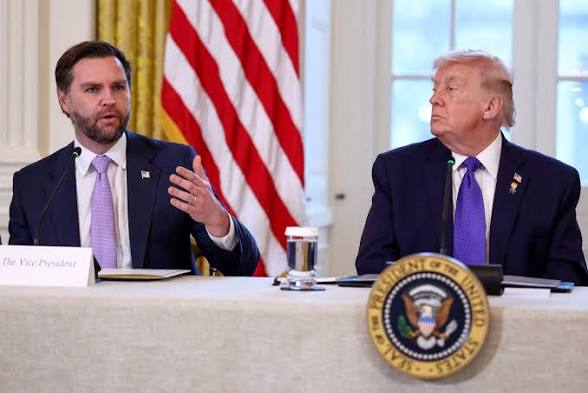
A White House press briefing has sparked fresh political debate after Vice President JD Vance avoided directly answering a difficult question about President Donald Trump’s decision to wage war against Iran.
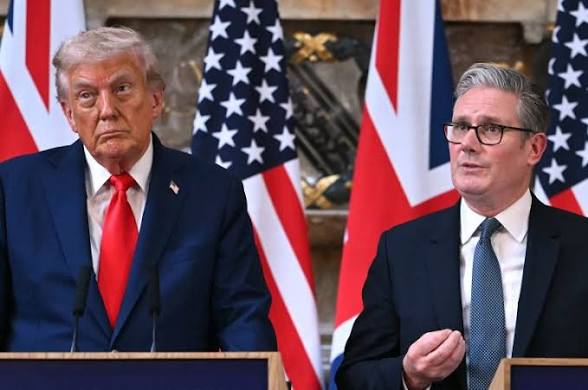
The moment unfolded on Friday, November 20, 2026, as Vance stood alongside Trump and Secretary of State Marco Rubio in the White House briefing room. Reporters questioned the administration about the political consequences of the Iran conflict and the Republican Party’s disappointing midterm election results.
However, Vance’s response attracted particular attention.
Rather than directly saying whether the Iran war was worth the political damage suffered by Republicans, the vice president emphasized that the decision belonged to Trump. He also described supporting the president as his responsibility.
“My view is that my goal is and my job is to support the president of the United States,” Vance said.
His answer immediately raised questions about his personal position on the conflict, his relationship with Trump, and his political ambitions.
The exchange was especially significant because Vance had previously blamed the Iran war for the Republican Party’s election losses. His latest comments therefore highlighted the difficult balance between expressing his own political views and maintaining loyalty to the president.
According to reporting by Reuters, Vance declined to say whether he would personally have authorized the February military strikes against Iran.
Reuters+1
What Happened During the White House Briefing?
The November 20 briefing brought together three prominent members of the Trump administration.
President Donald Trump led the event, while Vice President JD Vance and Secretary of State Marco Rubio stood beside him.
The appearance lasted approximately 90 minutes and covered several political and international issues.
However, the Iran war became one of the most important subjects.
A reporter asked Vance whether he believed the military campaign against Iran was worth the political cost of Republicans losing control of the Senate.
The question placed the vice president in a difficult position.
On one side, Vance needed to demonstrate support for Trump’s national security decisions. On the other, he had recently suggested that the Iran conflict played a major role in the Republican Party’s election defeat.
Instead of directly answering whether the war was worth the electoral consequences, Vance focused on the broader objective of preventing Iran from obtaining nuclear weapons.
He explained that such an outcome would create serious international security risks.
He then emphasized that Trump, as president, had the authority to make the final military decision.
The answer avoided a direct endorsement of the war while maintaining public support for the president.
This distinction became the central issue of the briefing.
Why JD Vance Refused to Directly Endorse the Iran War
Vance’s response was important because it differed from the straightforward endorsement Trump reportedly wanted.
The president had already made his position clear. He believed the military action was necessary and said he would make the same decision again.
Vance, however, chose more careful language.
He supported the objective of preventing Iran from developing nuclear weapons. Nevertheless, he did not clearly state that launching the war was the correct decision.
There are several possible political reasons behind this approach.
1. Vance Previously Questioned the Political Cost
Vance had already connected the Iran war to the Republican Party’s midterm defeat.
Following the election, he published a lengthy political assessment arguing that the conflict had damaged the party.
He suggested that voters had punished Republicans because of the war.
His comments created an uncomfortable situation for the administration.
If Vance suddenly declared that the war was unquestionably worth the political consequences, critics could question whether he had changed his position for political reasons.
By focusing on presidential authority, he avoided completely reversing his earlier assessment.
2. He Wants to Maintain His Own Political Identity
Vance is not simply another member of Trump’s administration.
As vice president, he is also considered a potential Republican presidential candidate in 2028.
That possibility makes his public statements particularly important.
He must demonstrate loyalty to Trump while maintaining credibility among voters who oppose the Iran conflict.
A direct endorsement of every military decision could make it harder for him to distinguish his political identity from the president’s.
At the same time, openly challenging Trump could create serious problems within the Republican Party.
His carefully worded response reflects this political challenge.
3. The Iran War Has Become an Election Issue
Military decisions can create significant political consequences.
Although national security remains an important issue, voters also consider economic conditions, energy prices, military spending and the possibility of prolonged international conflict.
The Iran war has therefore become more than a foreign policy debate.
It has also become a test of Republican political leadership.
Vance’s comments suggest that he recognizes the importance of separating the military objective from the political consequences of achieving it.
Trump’s Reaction to Vance’s Comments
President Trump also addressed the growing discussion about Vance’s earlier criticism of the Iran war.
During the briefing, Trump rejected suggestions that he was unhappy with the vice president’s post-election assessment.
However, he indicated that Vance could have included an additional point.
Trump wanted the vice president to acknowledge that the military operation was necessary and that he would make the same decision again.
The president made clear that he believed preventing Iran from obtaining nuclear weapons justified the military action.
This exchange revealed an important difference between the two men’s public messaging.
Trump wanted a clear defense of his decision. Vance preferred to emphasize the president’s authority and his own responsibility to support the administration.
The difference did not necessarily establish a public disagreement between them.
Nevertheless, it demonstrated how difficult it can be for senior officials to maintain a unified message when a controversial military operation creates domestic political problems.
Trump continued to reject suggestions that the two were fundamentally divided.
According to The Washington Post, Trump described Vance’s earlier statement as accurate but indicated that he wished the vice president had added an explicit endorsement of the military decision.
The Washington Post+1
Vance Previously Blamed the Iran War for Republican Election Losses
One reason the briefing attracted so much attention was Vance’s earlier assessment of the midterm election results.
The vice president had publicly connected the Republican Party’s poor performance to the Iran conflict.
His post-election comments were particularly significant because they came from one of the administration’s most senior officials.
Vance argued that the war had become a major political liability.
He suggested that voters who had previously supported Trump and the Republican Party had become frustrated with the conflict.
His assessment also raised questions about the administration’s broader political strategy.
For Republicans, losing control of Congress could make it harder to advance legislation, defend administration policies and secure support for future government initiatives.
Vance’s comments therefore went beyond an ordinary election analysis.
They highlighted the possibility that the Iran conflict had weakened the party’s position among important voter groups.
Why the Midterm Results Matter
Midterm elections provide an important indication of public satisfaction with the government.
Voters often use these elections to express their approval or frustration with presidential leadership.
When the president’s party suffers significant losses, political observers examine several possible causes.
These may include:
Economic dissatisfaction.
Rising living costs.
Foreign policy disagreements.
National security concerns.
Disappointment with government leadership.
Frustration among independent voters.
The Iran war became a central part of this discussion.
Vance’s willingness to identify the conflict as a major reason for Republican losses made his position especially notable.
It also created pressure on him to explain whether he believed the military campaign had justified its political consequences.
That was precisely the question he faced beside Trump.
Iran War Creates a Difficult Political Challenge for Republicans
The conflict with Iran has created a complicated situation for Republican leaders.
Supporters of military action argue that preventing Iran from obtaining nuclear weapons is essential to American security.
They believe that allowing Tehran to develop nuclear capabilities could increase instability across the Middle East.
However, critics question the cost, duration and long-term consequences of military intervention.
They also worry that the conflict could create additional economic pressure on American households.
These disagreements have made the Iran war a major political issue.
National Security Versus Domestic Politics
Republican leaders must address two competing concerns.
The first involves national security.
The administration argues that Iran’s nuclear ambitions represent a serious threat. From this perspective, military action is presented as a measure intended to prevent a potentially dangerous future development.
The second concern involves domestic political stability.
Americans also want answers about military spending, the possibility of further escalation and the long-term objectives of the conflict.
When voters question the government’s priorities, the political consequences can extend beyond foreign policy.
This creates a difficult challenge for Vance.
He must support the administration’s security objectives while recognizing that the war has generated significant political opposition.
Economic Concerns Could Increase Pressure
International conflicts can affect energy markets, shipping routes and global business confidence.
The Middle East is particularly important because of its role in international energy supplies.
Any prolonged military confrontation involving Iran could create uncertainty for oil transportation and regional trade.
Higher energy prices can affect American consumers through increased transportation and household costs.
Even when the direct economic effects are uncertain, the possibility of disruption can influence public opinion.
Republicans therefore face pressure to explain how the administration plans to manage both the military and economic consequences.
Marco Rubio Also Takes Center Stage
Vance was not the only prominent Republican figure standing beside Trump during the briefing.
Secretary of State Marco Rubio also played an important role.
His presence added another political dimension to the event because both Rubio and Vance are frequently discussed as possible Republican presidential contenders in 2028.
The two officials have different responsibilities within the administration.
Rubio focuses on diplomacy and foreign relations, while Vance serves as vice president and has become an important political voice for the administration.
Their appearance together gave Trump an opportunity to showcase two influential figures.
The 2028 Republican Leadership Question
Although the next presidential election remains some distance away, political discussions about the Republican Party’s future have already started.
Vance is widely viewed as a potential successor to Trump.
Rubio is also considered an influential figure with national political experience.
Both men have avoided making definitive public declarations about a future presidential campaign.
However, their visibility during major White House events naturally attracts attention.
The November 20 briefing added to this discussion.
Vance faced questions about his position on the Iran war, while Rubio defended the administration’s diplomatic activities.
Trump also joked about the possibility of his chief of staff, Stephen Miller, becoming president after praising his performance.
The exchange highlighted the president’s ability to generate attention around possible future Republican leaders without making a formal endorsement.
The Associated Press described the briefing as an opportunity for Trump to place Vance and Rubio in the public spotlight.
AP News
Could the Iran Disagreement Affect Vance’s Relationship With Trump?
Vance’s response has raised questions about whether the vice president and president have different views about the Iran conflict.
However, it is important to distinguish between public political differences and an actual breakdown in their working relationship.
Vance has previously expressed reservations about the war.
Trump, meanwhile, has defended the decision and maintained that preventing Iran from obtaining nuclear weapons was essential.
Their positions are not identical.
Nevertheless, Vance has continued to emphasize his responsibility to support the president.
This approach may help him avoid a public confrontation.
A Delicate Balancing Act
Vice presidents often face a difficult political challenge.
They must represent the administration’s policies while preparing for their own political future.
This becomes particularly complicated when the president makes an unpopular decision.
If the vice president openly criticizes that decision, it can create the impression of disloyalty.
If the vice president supports everything without qualification, voters may question his independence.
Vance’s response demonstrates this dilemma.
He did not directly challenge Trump. However, he also avoided repeating the president’s preferred statement that the military operation was unquestionably worth its political cost.
That distinction may continue to influence discussions about his political future.
What Vance’s Answer Means for US-Iran Diplomacy
The briefing also matters because Vance has previously played a role in diplomatic efforts involving Iran.
According to Reuters, the vice president had served as a major American representative in efforts to pursue negotiations.
He had also explored possibilities for restarting diplomatic discussions with Tehran.
However, those efforts became more complicated following his post-election criticism of the conflict.
Trump subsequently directed Vance to focus on domestic policy and indicated that the administration did not need a deal with Iran at that time.
Reuters+1
This development raises questions about the future direction of American diplomacy.
Can Diplomacy Replace Military Pressure?
Diplomacy remains an important part of managing international conflicts.
Negotiations can create opportunities to reduce tensions, establish restrictions and prevent further military escalation.
However, successful negotiations require agreement between the parties.
Washington and Tehran have significant disagreements over nuclear development, security arrangements and regional influence.
The administration must therefore decide whether diplomatic engagement can produce meaningful results.
Vance’s earlier involvement suggests that diplomacy remains an important part of his approach to the conflict.
Nevertheless, the final direction of American policy rests with Trump and his administration.
The Risk of Further Escalation
A prolonged confrontation could create additional challenges for the United States and its allies.
Military escalation may increase regional instability and create pressure on international markets.
It could also make future negotiations more difficult.
For this reason, the administration faces pressure to explain its long-term objectives.
Americans want to know what would constitute success, how long the conflict might continue and what conditions could eventually lead to a diplomatic settlement.
These questions will remain important as the Iran situation develops.
White House Briefing Raises Questions About Trump’s Leadership Strategy
The November 20 briefing was significant for another reason.
Trump’s decision to place Vance and Rubio beside him created a powerful political image.
Both men are important members of his administration. Both also have potential national political ambitions.
However, their different approaches to the Iran conflict could become important in future Republican debates.
Vance emphasized presidential authority and loyalty. Rubio has generally offered strong public defenses of Trump’s foreign policy decisions.
This difference does not necessarily indicate a political rivalry.
Nevertheless, Republican voters may eventually compare their positions on foreign policy, national security and economic priorities.
Trump’s public comments about possible future Republican leaders also suggest that he intends to remain influential in shaping the party’s direction.
For Vance, the challenge is particularly complicated.
He must maintain his position as vice president while deciding how to build his own political identity.
What Happens Next?
Several important developments could determine the political consequences of the briefing.
First, the Iran conflict will remain under scrutiny. Congressional lawmakers and voters will continue demanding explanations about military objectives, costs and future plans.
Second, Vance’s political position will receive attention. His previous criticism of the war and his latest response may influence how Republican voters view his leadership.
Third, Trump will face pressure to maintain party unity. Republicans need a consistent message if they want to rebuild public confidence following their midterm losses.
**Fourth, Rubio’s growing visibility could increase discussions about the Republican Party’s future leadership.
Finally, the possibility of renewed diplomacy with Iran remains an important question.
The administration’s next decisions could determine whether the conflict moves toward negotiations or further confrontation.
For now, Vance has avoided directly answering whether the war was worth its political consequences.
His decision to emphasize loyalty rather than offer an independent judgment has made the White House briefing an important political moment.
Conclusion: Vance’s Iran Response Creates New Political Questions
The White House briefing exposed the difficult political position facing JD Vance.
Standing beside Donald Trump, the vice president faced a direct question about whether the Iran war was worth the Republican Party’s midterm election losses.
Instead of providing a clear yes-or-no answer, he emphasized the importance of preventing Iran from obtaining nuclear weapons and said that supporting the president was his responsibility.
His response was particularly significant because he had previously blamed the conflict for Republican electoral setbacks.
Although Trump dismissed suggestions of a serious disagreement, the exchange highlighted differences in how the two leaders discuss the war.
It also placed renewed attention on Vance’s political future and the possibility of a 2028 Republican presidential campaign.
Ultimately, the biggest question remains whether the administration can defend its Iran policy while rebuilding public confidence at home.
The coming months could reveal whether Vance’s careful approach strengthens his political position or creates further questions about his independence.
Frequently Asked Questions (FAQs)
1. Why did JD Vance dodge the Iran question beside Trump?
JD Vance avoided directly saying whether the Iran war was worth the Republican Party’s election losses. Instead, he emphasized that preventing Iran from obtaining nuclear weapons was important and that supporting the president was his responsibility.
2. When did the White House briefing take place?
The briefing took place on November 20, 2026, at the White House in Washington, D.C. President Donald Trump, Vice President JD Vance and Secretary of State Marco Rubio attended.
3. What did JD Vance say about the Iran war?
Vance said that preventing Iran from obtaining nuclear weapons was an important objective. He also stated that the president makes the final decisions and that his job was to support the president.
4. Did Donald Trump criticize JD Vance?
Trump publicly rejected suggestions that he was unhappy with Vance’s earlier comments about the election. However, he indicated that Vance should have added that he believed the military action was necessary.
5. Did JD Vance blame the Iran war for Republican election losses?
Yes. In his post-election assessment, Vance identified the Iran war as a major reason for the Republican Party’s poor midterm performance.
6. Is JD Vance planning to run for president in 2028?
Vance is widely discussed as a potential Republican presidential candidate in 2028. However, he has not made a formal announcement confirming his candidacy.
7. Why was Marco Rubio standing beside Trump and Vance?
Marco Rubio attended the White House briefing as Secretary of State. His presence also attracted political attention because he is considered another possible future Republican presidential contender.
8. Does JD Vance support Trump’s Iran policy?
Vance supports the objective of preventing Iran from obtaining nuclear weapons. However, during the November 20 briefing, he stopped short of explicitly endorsing Trump’s decision to launch the military campaign.
9. Could the Iran war affect the Republican Party’s future?
Yes. The conflict could influence voter attitudes, congressional priorities, economic concerns and debates about Republican leadership ahead of the 2028 presidential election.
10. What happens next between the United States and Iran?
The next developments will depend on military decisions, diplomatic efforts and the positions taken by Washington and Tehran. Further negotiations or military escalation remain possible.
About the Author