The controversy has placed one of America’s most influential technology companies under intense scrutiny. It has also raised difficult questions about corporate security, foreign intelligence operations and the growing competition between Washington and Beijing over artificial intelligence.
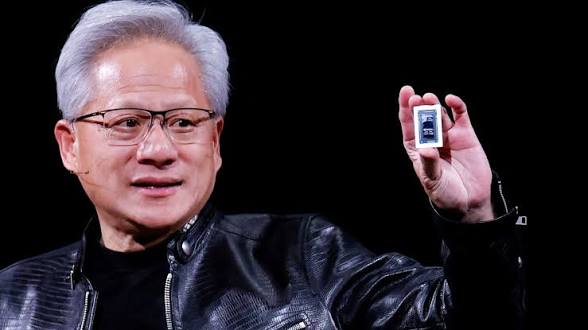
Huang’s departure represents a major leadership change at a company that has become central to the worldwide AI revolution. NVIDIA supplies advanced processors used by major technology companies to develop artificial intelligence systems, operate data centres and train increasingly powerful models.
The allegations surrounding Huang have therefore attracted attention far beyond Silicon Valley.
US officials are examining potential national security implications, while lawmakers are questioning whether existing restrictions on advanced semiconductor exports to China are strong enough.
The situation has also created uncertainty about NVIDIA’s future leadership and its business relationship with China.
Importantly, the espionage allegations have not been independently established as fact. Huang has not been accused of criminal wrongdoing in connection with the alleged intelligence operation, and Chinese officials have rejected the accusations.
Nevertheless, the scandal has created one of the most significant corporate governance and national security controversies involving the AI industry in 2026.
Jensen Huang Resigns as NVIDIA CEO Amid Growing Controversy

According to reports, Huang had an alleged relationship with Alice Huang, an unrelated Chinese businesswoman and former executive associated with Singapore-based technology company Megaspeed.
US intelligence officials reportedly suspect that Alice Huang had connections to China’s Ministry of State Security. Investigators are examining whether she was involved in efforts to obtain sensitive information or help Beijing gain access to restricted American technology.
The allegations have raised concerns because NVIDIA occupies an unusually important position in the global semiconductor industry.
Its advanced graphics processing units, commonly known as GPUs, power many of the world’s most important artificial intelligence systems.
Any potential foreign intelligence access involving senior company leadership could therefore have consequences extending beyond one executive’s personal life.
Huang also acknowledged being unfaithful in a message to NVIDIA employees. His admission intensified pressure on the company’s board to investigate his conduct.
Reports of another alleged relationship involving an NVIDIA executive who reportedly worked under Huang added another corporate governance concern.
On November 11, the company’s board accepted his resignation as president, CEO and board member.
NVIDIA appointed Chief Financial Officer Colette Kress as interim CEO while beginning its search for a permanent replacement. Longtime director Harvey C. Jones was also appointed chairman of the board.
The decision marked an extraordinary moment for a company whose identity had become closely associated with Huang’s leadership.
Reuters and The Washington Post reported on the resignation and the allegations surrounding the former CEO.
The Washington Post+2
Who Is Alice Huang and Why Are US Authorities Investigating Her?
The allegations involving Alice Huang are at the centre of the NVIDIA spy scandal.
Alice Huang is not related to Jensen Huang. Reports identify her as a former executive associated with Megaspeed, a Singapore-based technology company.
US authorities are reportedly investigating whether she had connections to Chinese intelligence networks.
The investigation is particularly sensitive because Megaspeed has faced scrutiny over suspicions that it helped China obtain access to advanced NVIDIA processors subject to American export restrictions.
These restrictions exist because Washington believes that access to the most powerful American AI chips could strengthen China’s military, surveillance and advanced computing capabilities.
However, investigators have not publicly established that Alice Huang was acting as a spy.
Reuters has also reported that it could not independently verify the intelligence allegations. China’s foreign ministry has rejected the accusations as groundless.
This distinction is important.
A suspected intelligence connection does not automatically establish that espionage occurred. Investigators must examine communications, business relationships, financial transactions and any possible transfer of protected information.
The questions surrounding Alice Huang have nevertheless created serious concerns for American policymakers.
If foreign intelligence agencies successfully establish relationships with executives at strategically important technology companies, they could potentially gain access to valuable commercial information and influence important business decisions.
That possibility makes the investigation particularly significant for the United States.
Why NVIDIA Is So Important to America’s National Security
Its processors have become essential infrastructure for the modern artificial intelligence economy.
Major technology companies depend on NVIDIA hardware to train large language models, operate cloud computing platforms and develop advanced AI applications.
The company’s influence extends across several industries, including:
Artificial intelligence research and development.
Cloud computing and data centre operations.
Autonomous vehicle technology.
Advanced scientific research.
Military and defence-related computing.
Industrial automation and robotics.
This makes NVIDIA strategically important to American economic and technological leadership.
The United States has spent years attempting to maintain an advantage over China in advanced semiconductor technology.
American policymakers argue that the most powerful AI processors could help China develop military applications, improve intelligence capabilities and strengthen its domestic technology industry.
Consequently, Washington has introduced restrictions on certain advanced chip exports to China.
The NVIDIA controversy has created fresh concerns about whether those restrictions are sufficient.
Lawmakers now face questions about how effectively American companies monitor their international business relationships and protect sensitive technology.
The scandal also highlights the growing connection between corporate governance and national security.
A company’s leadership decisions can have consequences that reach far beyond shareholders and employees when its products are essential to national defence and economic competitiveness.
US-China AI Rivalry Intensifies After the NVIDIA Scandal
The NVIDIA spy scandal has emerged during an increasingly difficult period in relations between Washington and Beijing.
Both countries recognise artificial intelligence as a major source of future economic and military power.
The United States has a strong position in advanced semiconductor design, while China has invested heavily in domestic chip manufacturing, AI research and technology infrastructure.
This competition has encouraged both governments to treat semiconductor supply chains as strategic assets.
Washington’s export controls are designed to limit China’s access to certain advanced American processors.
However, these restrictions have also created commercial challenges for companies such as NVIDIA.
China represents an important market for American technology businesses. Limiting access to that market can affect sales, investment decisions and long-term growth.
Huang previously advocated maintaining access to the Chinese market, arguing that American companies should remain competitive internationally.
His departure has therefore created uncertainty about NVIDIA’s future approach to China.
According to Reuters reporting, US lawmakers have increasingly supported stronger restrictions on advanced chip exports following the controversy.
House Speaker Mike Johnson has indicated that bipartisan support for tighter restrictions is growing.
This development could have significant consequences for NVIDIA and other American semiconductor companies.
If Washington introduces stricter controls, companies may face additional licensing requirements, reduced access to Chinese customers and greater compliance costs.
investing.com+1
Washington Faces Difficult Questions Over Chinese Espionage Concerns
The controversy has also created political pressure in Washington.
One major question concerns whether American officials received warnings about the alleged relationship before Huang resigned.
Reports have raised questions about what senior administration officials knew and when they received that information.
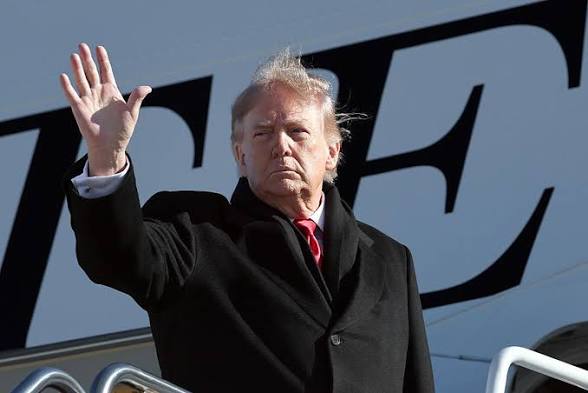
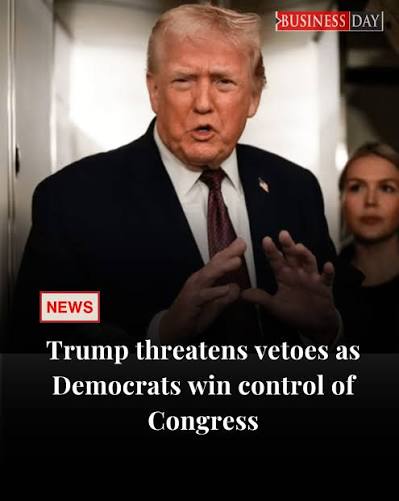
President Donald Trump has faced scrutiny over his administration’s handling of the situation.
According to Associated Press reporting, Trump was supportive of the possibility of Huang returning to NVIDIA, while other senior administration figures favoured significant leadership changes.
The controversy has also attracted attention from lawmakers concerned about national security and corporate accountability.
Senators Elizabeth Warren and Chris Coons reportedly requested that senior officials preserve relevant documents connected to the NVIDIA controversy.
Congressional scrutiny could examine several important issues:
Whether US officials received intelligence warnings about the suspected relationship.
Whether those warnings were properly investigated.
Whether NVIDIA followed appropriate security procedures.
Whether restricted AI chips reached unauthorised destinations.
Whether export-control policies need significant changes.
These questions could become part of a broader debate about how the United States protects its most important technology companies.
The investigation also presents a difficult challenge for the administration.
Washington must protect sensitive technology without unnecessarily damaging American companies competing in global markets.
NVIDIA Board Rejects Possibility of Jensen Huang’s Return
Some influential figures in Silicon Valley have supported the former CEO and argued that his contributions to NVIDIA should be considered alongside the allegations.
President Trump also publicly expressed support for the possibility of Huang returning.
Elon Musk and other technology industry figures supported a campaign calling for the board to reconsider his removal.
However, NVIDIA’s board has taken a different position.
According to an Associated Press report published in November, the board unanimously rejected Huang’s offer to return as CEO.
The company accepted his resignation and indicated that it would continue searching for a permanent replacement rather than rushing the process.
This decision suggests that NVIDIA’s directors want to establish a clear separation between the company’s future leadership and the controversy surrounding its former chief executive.
The board’s position also reflects the importance of corporate governance.
Even highly successful founders can face removal when directors believe their conduct creates unacceptable risks for the organisation.
The situation has therefore become a test of whether NVIDIA can maintain its technological leadership without the executive who built the company into an AI powerhouse.
apnews.com+1
Colette Kress Takes Charge as Interim NVIDIA CEO
NVIDIA’s leadership transition has placed Colette Kress in a particularly important position.
Kress, who has served as the company’s chief financial officer since 2013, was appointed interim chief executive following Huang’s resignation.
Her experience in financial management could provide stability during an uncertain period.
The immediate challenge is maintaining confidence among investors, employees, business partners and major customers.
NVIDIA operates in a highly competitive environment. Its competitors are investing heavily in processors, AI infrastructure and advanced computing systems.
Any prolonged leadership uncertainty could create opportunities for rival companies.
Kress must therefore focus on several priorities:
Maintaining financial and operational stability.
Protecting relationships with major technology customers.
Strengthening internal compliance procedures.
Supporting cooperation with government investigations.
Maintaining investor confidence.
Helping the board identify a permanent CEO.
The company also needs to reassure customers that its product development and delivery schedules will continue without disruption.
NVIDIA’s technology remains essential to major AI projects worldwide.
For that reason, the leadership transition is being closely watched across the technology industry.
A successful transition could demonstrate that NVIDIA’s business is strong enough to operate independently of its founder’s public image.
A prolonged crisis, however, could create additional uncertainty for the wider AI market.
FBI and SEC Investigations Increase Pressure on NVIDIA
The controversy has moved beyond internal corporate investigations.
Federal authorities are reportedly examining whether the alleged intelligence connections created national security risks and whether investors received accurate information about relevant business relationships.
The FBI investigation is particularly important because it could establish whether any foreign intelligence operation targeted NVIDIA or its leadership.
The Securities and Exchange Commission (SEC) is also facing questions about whether investors were properly informed about developments that could materially affect the company’s business and financial position.
Reuters reported that the SEC had launched a civil investigation, including questions about whether NVIDIA misled investors. However, Reuters noted that it could not independently verify the reported investigation.
The potential legal issues include several areas.
Corporate disclosure obligations: Public companies must provide investors with accurate information about significant developments affecting their businesses.
Shareholder protection: Investors may pursue legal action if they believe a company concealed important information or made misleading statements.
National security compliance: Companies handling strategically sensitive technology must comply with applicable export restrictions and other regulations.
Corporate governance: Directors have responsibilities to supervise executives and protect the interests of shareholders.
The scandal has already triggered proposed shareholder litigation.
A proposed class-action lawsuit filed in California reportedly alleges that NVIDIA and Huang concealed relevant information about the controversy.
These allegations have not been proven in court.
The company’s independent directors have also appointed outside legal advisers to investigate the matter.
The outcome could influence how American technology companies manage executive relationships, intelligence risks and disclosure obligations.
investing.com+1
Could the NVIDIA Scandal Change US AI Chip Export Restrictions?
For years, Washington has attempted to restrict China’s access to the most advanced American AI processors.
The objective is to prevent sensitive computing technology from strengthening China’s military and strategic capabilities.
However, the restrictions have generated disagreements within the American technology industry.
Some executives argue that completely limiting access to China could weaken American businesses and encourage Chinese companies to develop competing products.
Others believe that national security must take priority over commercial opportunities.
Huang had been an important voice in favour of maintaining access to the Chinese market.
His departure could change the balance of influence in this debate.
Lawmakers who support tougher restrictions may now find it easier to push for additional controls.
Potential policy changes could include:
Stricter licensing requirements for advanced AI processors.
More detailed checks on overseas customers.
Increased monitoring of semiconductor supply chains.
Greater scrutiny of third-party distributors.
Stronger penalties for illegal technology transfers.
Additional reporting requirements for sensitive exports.
Such measures could increase compliance costs for American semiconductor companies.
They could also affect international technology partnerships.
Nevertheless, policymakers must consider the economic consequences of restricting access to major markets.
NVIDIA’s position in the AI industry means that decisions affecting its international operations could influence the entire semiconductor supply chain.
Financial Markets Watch NVIDIA’s Next Moves
The scandal has also attracted considerable attention from investors.
NVIDIA’s enormous influence over the AI market means that leadership uncertainty can affect sentiment across the technology sector.
Investors are particularly concerned about whether the controversy will affect the company’s growth strategy, international sales and relationships with major customers.
Reports following Huang’s resignation described an immediate decline in NVIDIA shares.
However, the company’s underlying business performance remains an important factor.
Associated Press reporting on November 17 highlighted NVIDIA’s strong third-quarter financial performance.
The company reported revenue of approximately $116 billion, while data-centre revenue reached approximately $107.6 billion.
It also provided a revenue forecast of approximately $130 billion for the following quarter.
These figures demonstrate the scale of NVIDIA’s AI business despite the leadership controversy.
Still, investors must consider several risks.
1. Leadership uncertainty
A permanent CEO replacement could take time. Investors will want evidence that the new leadership team can maintain NVIDIA’s competitive position.
2. China market restrictions
Additional export controls could reduce opportunities in an important international market.
3. Legal expenses
Investigations, regulatory proceedings and shareholder litigation could create financial and reputational costs.
4. Corporate reputation
Customers and business partners may demand stronger assurances about security and compliance.
5. Industry competition
Rival semiconductor manufacturers could benefit if NVIDIA faces prolonged operational or regulatory difficulties.
The company’s future performance will depend on its ability to manage these risks while continuing to meet demand for AI computing infrastructure.
apnews.com+1
Fake Employee Letter Adds Another Twist to the NVIDIA Crisis
The controversy took another turn on November 20 when a purported internal letter demanding the NVIDIA board’s resignation circulated online.
The screenshot claimed to show hundreds of employees supporting Huang’s reinstatement and opposing the board’s decision.
However, Reuters Fact Check reported that the letter was fabricated.
NVIDIA co-founder Chris Malachowsky, whose name appeared among the supposed signatories, said he had not signed it. Executive Bryan Catanzaro also described the letter as obviously fake.
The fabricated document reportedly copied language from an authentic 2023 letter involving OpenAI employees and adapted it to the NVIDIA situation.
This development is important because the controversy has already generated considerable public debate.
A separate campaign called Stand with Jensen has published a genuine open letter supporting Huang and asking the board to give him a fair hearing.
However, that campaign should not be confused with the fake employee letter.
The incident demonstrates how quickly misinformation can spread during major corporate controversies.
Investors and readers should therefore verify claims about employee petitions and leadership changes through reliable reporting and official company announcements.
reuters.com
What the NVIDIA Spy Scandal Means for the Future of Artificial Intelligence
The consequences of this controversy could extend well beyond NVIDIA.
Artificial intelligence has become a central part of the global economic and geopolitical competition.
Countries are investing billions in computing infrastructure, semiconductor manufacturing and advanced research.
The United States and China are particularly focused on developing powerful AI systems that could provide economic, military and strategic advantages.
The NVIDIA scandal exposes an important vulnerability in this competition.
Technology leadership depends not only on manufacturing advanced processors but also on protecting the people, information and business relationships connected to them.
Companies may increasingly need to strengthen executive security procedures and monitor potential foreign intelligence risks.
The controversy could also encourage governments to review how private technology companies handle sensitive international relationships.
For NVIDIA, the immediate priority is restoring confidence.
The company must demonstrate that its operations remain stable, its security procedures are effective and its leadership transition will not undermine its competitive position.
For Washington, the challenge is balancing economic growth with national security.
For Beijing, the controversy adds another complication to an already difficult technology relationship with the United States.
Ultimately, the NVIDIA spy scandal could become an important turning point in the relationship between artificial intelligence, corporate governance and international security.
Conclusion: NVIDIA Faces a Defining Moment After Jensen Huang’s Resignation
The NVIDIA spy scandal has created an extraordinary challenge for one of America’s most important technology companies.
Jensen Huang’s resignation has removed the executive most closely associated with NVIDIA’s rise to global prominence.
The allegations involving a Chinese businesswoman suspected of intelligence connections have also intensified concerns about foreign espionage and the security of advanced American technology.
Meanwhile, congressional scrutiny, reported federal investigations and pressure for tougher chip export restrictions have increased uncertainty surrounding the company’s future.
The board’s rejection of Huang’s possible return indicates that NVIDIA intends to move forward with a new leadership structure.
Colette Kress now faces the responsibility of maintaining stability while the company searches for a permanent CEO.
The wider implications could be even greater.
As the United States and China compete for AI leadership, protecting semiconductor technology and corporate decision-making will remain major national security priorities.
Although the espionage allegations remain unproven, the controversy has already changed the conversation about how technology companies should protect their leadership and strategic assets.
NVIDIA’s next decisions could help shape not only its own future but also the direction of the global AI industry.
Frequently Asked Questions (FAQs)
1. Why did Jensen Huang resign as NVIDIA CEO?
Jensen Huang resigned on November 11, 2026, following reports about alleged personal relationships, including one involving a Chinese businesswoman suspected by US authorities of having intelligence connections. The controversy raised concerns about corporate governance and national security.
2. Who is Alice Huang in the NVIDIA spy scandal?
Alice Huang is an unrelated Chinese businesswoman and former executive associated with Singapore-based technology company Megaspeed. US authorities are reportedly investigating her suspected connections to Chinese intelligence.
3. Has Jensen Huang been proven to have worked with Chinese intelligence?
No. There is no established public evidence proving that Huang worked with Chinese intelligence. He has not been accused of criminal wrongdoing in connection with the alleged espionage operation.
4. Who is the interim CEO of NVIDIA?
NVIDIA Chief Financial Officer Colette Kress became interim CEO following Huang’s resignation. She has served as the company’s CFO since 2013.
5. Is Jensen Huang returning to NVIDIA?
NVIDIA’s board rejected Huang’s offer to return as CEO, according to Associated Press reporting in November 2026. The company intends to continue its search for a permanent replacement.
6. Why is the US investigating the NVIDIA controversy?
US authorities are examining potential national security risks involving suspected Chinese intelligence connections, possible access to restricted technology and the protection of sensitive semiconductor information.
7. Will the NVIDIA scandal affect US-China relations?
The controversy could increase tensions between Washington and Beijing. It has strengthened calls for tighter semiconductor export restrictions and greater scrutiny of China’s access to advanced American AI processors.
8. Could NVIDIA face legal consequences?
NVIDIA could face regulatory scrutiny, shareholder litigation and additional compliance requirements. However, the allegations must be investigated, and any legal liability would need to be established through appropriate proceedings.
9. Will NVIDIA lose its position in the AI industry?
Not necessarily. NVIDIA continues to have a major position in AI processors and data-centre infrastructure. Its future performance will depend on leadership stability, competition, international trade policies and continued demand for AI technology.
10. What happens next in the NVIDIA spy scandal?
The next developments are likely to involve congressional scrutiny, federal investigations, the company’s internal review and the search for a permanent CEO. Huang is also expected to face congressional questioning, according to recent reporting.
About the Author