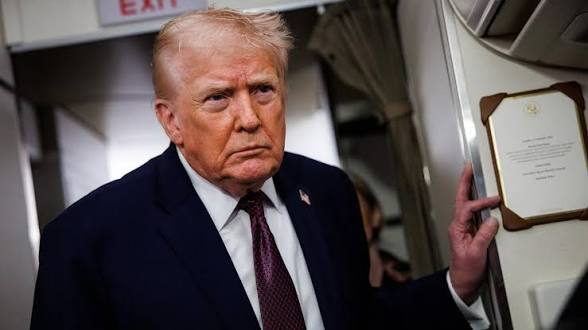
Despite Trump’s recent comments suggesting that he is in no hurry to authorise another major military operation, reports indicate that US and Israeli officials remain concerned about Iran rebuilding its weapons production capabilities.
The central question is whether delaying further military action could give Tehran additional time to strengthen its military infrastructure, restore damaged facilities and improve its ability to respond to future attacks.
According to a November 20 report by CBS News, American and Israeli officials are considering the possibility of another assault on Iran in the short term. Israeli concerns reportedly centre on the speed at which Iran is rebuilding its weapons production capacity.
CBS News
However, the situation is more complicated than a straightforward decision to launch another offensive.
Trump has publicly indicated that he could postpone his next decision until 2027. At the same time, his administration continues to maintain military pressure on Iran through economic restrictions, naval operations and regional security measures.
This growing divide between military concerns and diplomatic calculations has created uncertainty across the Middle East.
Trump Faces Pressure Over the Timing of New Iran Strikes
President Trump is facing a difficult strategic decision over whether to resume major military operations against Iran or continue applying economic and diplomatic pressure.
The president recently suggested that there was no immediate need to make another decision about military action.
In an interview reported by Reuters on November 19, Trump indicated that he would discuss the possibility of renewed strikes after the beginning of the new year.
His comments suggested that Washington was prepared to wait rather than immediately return to a major military campaign.
al-monitor.com
Nevertheless, the reported concerns about Iran’s military reconstruction have raised questions about whether waiting could create additional risks.
Military planners must consider how quickly Iran can restore its defence systems, weapons manufacturing facilities and missile capabilities.
A delay could give Tehran more time to strengthen damaged infrastructure. However, launching another attack could also trigger retaliation against American forces and regional allies.
That makes the timing of any potential operation particularly important.
Trump must weigh the possible military benefits of further strikes against the economic, political and security consequences of expanding the conflict.
Israel Raises Concerns About Iran’s Growing Military Capabilities
Israel remains particularly concerned about Iran’s ability to rebuild its military infrastructure following months of fighting.
Israeli officials have repeatedly warned that Tehran could use any pause in hostilities to restore damaged facilities and strengthen its weapons programmes.
The latest reporting suggests that the speed of Iran’s weapons production recovery is a major concern for the Israeli government.
For Israel, the issue extends beyond the immediate threat of Iranian missile attacks. It also involves the country’s longer-term ability to develop and maintain advanced weapons systems.
Iran has invested heavily in several military areas, including:
Ballistic missile development.
Drone manufacturing and deployment.
Air defence systems.
Military research and development.
Weapons production infrastructure.
Regional military partnerships.
These capabilities have shaped Israel’s security calculations for years.
Israeli leaders believe that allowing Iran to restore its military capacity without meaningful restrictions could create additional security challenges.
There is also concern that Tehran could use the current diplomatic uncertainty to strengthen its negotiating position.
However, the precise extent of Iran’s military recovery remains difficult to establish independently. Public reporting does not provide a complete assessment of which facilities have been restored or how quickly weapons production has returned.
The distinction matters because military warnings do not necessarily mean Iran has fully recovered its previous capabilities.
Iran’s Weapons Production Could Become a Major Strategic Issue
Iran’s ability to rebuild its weapons industry is becoming an important part of the wider confrontation with Washington and Jerusalem.
Modern military conflicts are not determined only by the number of weapons available at the beginning of a campaign.
They also depend on the ability to replace damaged equipment, maintain supply chains and manufacture additional weapons.
For Iran, rebuilding production capacity could help maintain military pressure even after suffering substantial damage.
Missile manufacturing is especially important.
Ballistic missiles provide Tehran with a means of threatening military installations and strategic infrastructure across the region.
Drones also play an important role because they can be produced and deployed in different operational environments.
Furthermore, Iran’s military strategy relies on a combination of conventional capabilities and regional partnerships.
This creates a complicated challenge for the United States and Israel.
Even if another military operation damages important facilities, eliminating an entire weapons industry would be considerably more difficult.
Iran could potentially relocate equipment, modify production methods or rely on existing technical knowledge.
Consequently, military planners must consider whether additional strikes would produce lasting results.
The question is not simply whether the United States can attack Iranian facilities. It is whether another operation would prevent Tehran from rebuilding them.
Why Washington Is Considering Military and Economic Pressure Together
The Trump administration has increasingly relied on economic pressure alongside military preparations.
American officials have argued that sanctions and restrictions on Iranian trade can weaken Tehran’s financial position and reduce its ability to support military programmes.
A Reuters report published on November 14 described how US intelligence assessments viewed the naval blockade and economic sanctions as damaging Iran’s economy.
The report also said that American officials believed renewed military strikes might not significantly change Iran’s negotiating position.
Reuters
This assessment highlights an important disagreement within the broader debate.
Some policymakers believe additional strikes could prevent Iran from restoring its military infrastructure.
Others argue that economic pressure could produce concessions without creating the risks associated with another major military campaign.
The administration therefore faces three broad strategic possibilities.
First, Washington could resume military strikes.
This approach could target selected military, missile or nuclear-related facilities. However, Iran could retaliate against American forces and regional partners.
Second, the United States could continue economic pressure.
Sanctions and restrictions on Iranian exports could weaken the country’s financial resources while keeping diplomatic channels open.
Third, Washington could pursue negotiations while maintaining military readiness.
This approach would allow Trump to avoid an immediate escalation while keeping the possibility of military action available.
Each option carries significant risks.
The administration must also consider the impact on American military resources and the wider global economy.
US Military Readiness Remains a Key Factor
Another important issue is whether the United States has sufficient military resources to support another extended campaign.
Modern air operations require large quantities of precision-guided weapons, intelligence support, surveillance equipment and logistical resources.
These requirements become more complicated when operations continue over several months.
Reuters previously reported concerns about depleted American long-range precision munitions following the conflict.
The November 14 report also described plans involving an additional aircraft carrier moving towards the Middle East. It noted that the US military remained prepared to escalate if required.
Goincop
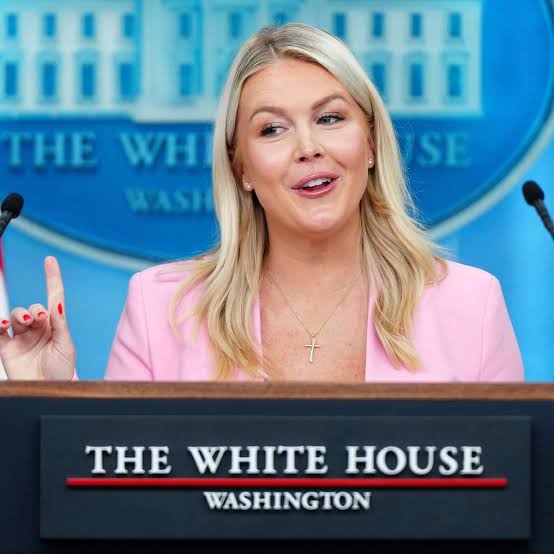
The White House, however, disputed concerns about American ammunition supplies and maintained that the military had sufficient resources to meet the president’s strategic objectives.
This disagreement is significant because military readiness involves more than the number of troops or aircraft deployed in a region.
It also depends on the availability of replacement weapons, maintenance facilities and reliable supply chains.
A prolonged campaign could place additional pressure on these resources.
Washington must therefore consider whether another round of strikes would achieve enough strategic value to justify the associated costs.
Iran Warns Against Another Military Operation
Tehran has repeatedly warned that renewed American or Israeli attacks would trigger a strong response.
Iranian officials have rejected the idea that military pressure would force the country to accept Washington’s demands without conditions.
The country’s leadership has also insisted that any diplomatic agreement must address sanctions, military hostilities and restrictions affecting Iranian economic activity.
According to reporting by The Guardian on November 11, Mehdi Mohammadi, an adviser to Iran’s chief negotiator, suggested that Tehran was preparing for the possibility of further military action.
He also warned that continued economic pressure could lead to a more serious confrontation. These statements reflected the Iranian side’s assessment rather than independently verified evidence of an imminent attack.
The Guardian
Iran’s position creates another challenge for Trump.
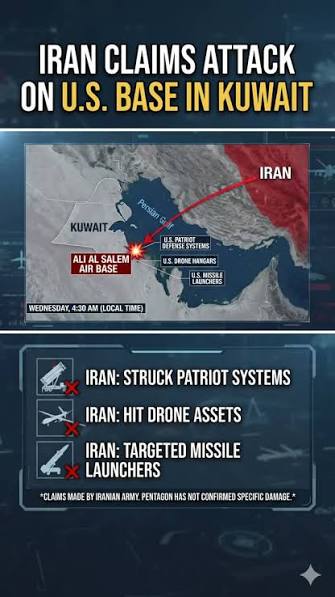
Even if Washington believes that military action could weaken Tehran, the Iranian government may interpret another attack as a reason to expand its retaliation.
Potential targets could include American military installations, regional infrastructure and strategic shipping routes.
Such retaliation could quickly transform a limited military operation into a much wider regional crisis.
Strait of Hormuz Adds to the International Security Concerns
The narrow waterway connects the Persian Gulf with the Gulf of Oman and the wider international shipping network.
It is particularly important for global energy supplies because significant quantities of oil and petroleum products pass through the route.
Any serious disruption could affect international markets, shipping costs and energy prices.
For the United States, protecting maritime traffic is therefore an important part of its regional strategy.
Iran has repeatedly used its geographical position and influence over the surrounding waterways as leverage in its confrontation with Washington.
A renewed military campaign could increase the risk of attacks against commercial shipping or energy infrastructure.
Even without a complete closure of the strait, rising security concerns could increase insurance costs and discourage shipping companies from operating in the region.
This could affect countries far beyond the Middle East.
India, China, Japan and several European economies have significant interests in maintaining reliable energy supplies.
Therefore, the consequences of another US-Iran confrontation would not remain limited to the two countries.
Trump’s Decision Could Affect the Entire Middle East
The possibility of renewed strikes has created uncertainty among American allies and regional governments.
Several countries have strong reasons to prevent another major military escalation.
Saudi Arabia, Turkey and other regional powers have an interest in avoiding a conflict that could damage trade, energy infrastructure and regional stability.
Reuters reported on November 14 that Saudi Crown Prince Mohammed bin Salman and Turkish President Recep Tayyip Erdoğan had urged Trump not to resume attacks during recent discussions.
According to the report, Trump did not make a commitment either way.
Reuters
These diplomatic efforts demonstrate that regional governments are concerned about the consequences of another escalation.
A wider conflict could create additional security problems for countries hosting American military personnel.
It could also increase pressure on governments already dealing with economic uncertainty.
For Washington, maintaining regional support could be just as important as achieving military objectives.
A decision to resume strikes without sufficient diplomatic coordination could complicate relationships with important American partners.
At the same time, postponing military action could create concerns among allies who believe Iran is rebuilding its capabilities.
This is the difficult balance Trump must manage.
Congressional Opposition Creates Another Challenge for Trump
American lawmakers remain divided over the president’s authority to continue military operations without additional congressional approval.
On November 19, the US Senate rejected a resolution intended to restrict Trump’s ability to order further strikes against Iran.
The vote was 51–48 against the measure, according to reporting by The Washington Post.
Three Republican senators supported the resolution alongside most Democrats, while Democratic Senator John Fetterman opposed it.
The Washington Post
The vote demonstrated that disagreements over the conflict extend beyond the White House.
Some lawmakers believe the president needs greater congressional authorisation for continued military operations.
Others argue that the commander-in-chief must retain sufficient flexibility to respond to national security threats.
The political debate could become more significant when Democrats take control of Congress in January.
Lawmakers may seek additional oversight, hearings and restrictions on funding for military operations.
This could make it harder for the administration to maintain a prolonged campaign without facing political resistance.
The issue is particularly sensitive because the conflict has already generated economic concerns among American voters.
Could Another Round of Strikes Stop Iran’s Military Recovery?
One of the biggest questions surrounding the latest Iran rearmament warning is whether additional military action would actually prevent Tehran from rebuilding its capabilities.
There are arguments on both sides.
Supporters of further strikes believe that targeting weapons manufacturing facilities could slow Iran’s recovery.
They argue that allowing damaged infrastructure to return to operation could make future military action more difficult.
They also believe that military pressure could discourage Iran from expanding its missile and drone programmes.
However, critics question whether another campaign would produce a lasting result.
Military facilities can be repaired, production equipment can be relocated and technical knowledge cannot easily be eliminated through airstrikes.
There is also the possibility that attacks could strengthen domestic support for Iran’s military leadership.
Instead of weakening Tehran’s negotiating position, another offensive could encourage the country to adopt a more aggressive strategy.
American intelligence assessments reported by Reuters have also suggested that renewed strikes might not significantly change Iran’s demands during negotiations.
This raises doubts about the long-term effectiveness of another military campaign.
Ultimately, the success of any operation would depend on its objectives.
Destroying selected facilities is different from permanently preventing Iran from rebuilding its military industry.
Washington would need a clear strategy for what happens after the attacks end.
Diplomatic Negotiations Remain an Alternative to Military Escalation
Despite growing security concerns, diplomatic negotiations remain an important part of the US strategy.
Qatar has played a significant role in efforts to bring Washington and Tehran closer to an agreement.
Regional governments have also encouraged both sides to avoid another major confrontation.
The negotiations reportedly involve several difficult issues, including Iran’s nuclear programme, economic sanctions, frozen financial assets and the future of the Strait of Hormuz.
However, the two countries remain far apart on several major demands.
Washington wants verifiable assurances that Iran will not rebuild its nuclear capabilities.
Tehran, meanwhile, wants economic relief and an end to military pressure.
The disagreement makes a comprehensive settlement difficult.
Trump has suggested that the United States has considerable leverage over Iran and does not necessarily need an immediate agreement.
His administration also believes that economic restrictions are putting increasing pressure on Tehran.
Nevertheless, diplomacy could offer a way to prevent another military confrontation while addressing some of the concerns surrounding Iran’s weapons programmes.
The challenge will be finding an agreement that both governments consider acceptable.
What Happens If Trump Delays Military Action Until 2027?
Trump’s latest comments have introduced another important question: Could delaying a military decision until 2027 give Iran an opportunity to strengthen its military position?
There is no confirmed answer.
However, the possibility is likely to remain central to discussions among American and Israeli security officials.
A longer pause could provide several advantages.
It could allow diplomatic efforts to continue, reduce immediate pressure on American military resources and give regional governments more time to negotiate.
It could also prevent another sudden increase in global energy prices.
However, waiting could create different challenges.
If Iran successfully restores important weapons production facilities, Washington and Israel may face a stronger military infrastructure in the future.
The longer the diplomatic stalemate continues, the more difficult it could become to determine whether sanctions alone can achieve the desired results.
Another concern involves the possibility of miscalculation.
An isolated attack, military accident or confrontation involving regional forces could trigger a wider conflict before diplomatic negotiations produce an agreement.
For now, Trump appears to prefer maintaining flexibility rather than announcing a fixed timetable for renewed strikes.
His November 19 comments suggest that a major decision could be postponed until after the beginning of the new year.
al-monitor.com+1
Global Oil Markets and the Economic Consequences
Oil prices are particularly sensitive to developments around the Persian Gulf.
Investors closely monitor the Strait of Hormuz because disruptions could affect the movement of energy supplies.
A renewed conflict could increase concerns about shipping safety, insurance costs and the availability of oil.
Higher energy prices could affect transportation, manufacturing and household expenses in many countries.
For India, the situation deserves particular attention.
The country imports a substantial share of its crude oil requirements, making international energy prices an important economic factor.
Any prolonged disruption in Middle Eastern oil supplies could increase import costs and create additional pressure on inflation.
Other major energy-importing economies could face similar challenges.
However, a renewed military operation would not automatically mean that oil prices would rise dramatically.
The actual impact would depend on the scale of the conflict, the security of shipping routes and the ability of other producers to maintain supplies.
This is another reason regional governments have strong incentives to prevent further escalation.
The Bigger Picture: Military Pressure Versus Long-Term Stability
The latest Iran rearmament warning highlights a fundamental challenge facing the Trump administration.
Washington wants to prevent Iran from rebuilding military capabilities that could threaten American interests and regional allies.
Israel shares many of these concerns and believes that delaying action could create additional security risks.
However, another military campaign could produce consequences that extend far beyond the original targets.
It could trigger Iranian retaliation, threaten regional shipping and place additional pressure on American military resources.
It could also complicate diplomatic negotiations and increase domestic opposition to the conflict.
The administration must therefore decide whether military action would produce a meaningful long-term advantage or simply create another cycle of attacks and retaliation.
The latest reporting suggests that Trump has not made a final decision.
His public comments indicate that he is willing to wait, while reports of American and Israeli security concerns suggest that military options remain under consideration.
For now, the most important developments to watch include Iran’s weapons production recovery, American military deployments, Israeli security assessments and diplomatic efforts led by regional mediators.
The Iran rearmament warning has placed renewed attention on Trump’s next move. But whether Washington chooses another military operation or continues economic and diplomatic pressure, the consequences will likely shape Middle Eastern security well into 2027.
Frequently Asked Questions (FAQs)
1. Why is Trump facing pressure over Iran military strikes?
Trump is facing renewed pressure because of concerns that Iran is rebuilding its weapons production capabilities. Israeli security officials reportedly believe that delaying military action could allow Tehran to strengthen its military infrastructure.
2. Is Trump planning to attack Iran again?
There is no confirmed decision to launch another major attack. Trump said on November 19 that he was not rushing to make a decision and suggested discussing the issue after the beginning of 2027.
3. Why is Israel concerned about Iran’s rearmament?
Israel is concerned that Iran could restore damaged military facilities and expand its missile, drone and weapons production capabilities. Israeli officials view these developments as potential long-term security threats.
4. What weapons is Iran reportedly rebuilding?
The main areas of concern include ballistic missiles, drones, air defence equipment and other military systems. However, the full extent of Iran’s recovery has not been independently established.
5. Could the United States launch new strikes against Iranian nuclear facilities?
Further strikes remain a potential military option. However, their effectiveness is uncertain, particularly because some facilities are underground and have already been targeted.
6. How could another US-Iran conflict affect oil prices?
Another conflict could threaten shipping through the Strait of Hormuz and increase concerns about global energy supplies. This could push oil prices higher, depending on the scale and duration of any disruption.
7. Are diplomatic negotiations between the US and Iran continuing?
Yes. Regional mediators, including Qatar, have been involved in efforts to reduce tensions and encourage negotiations. However, Washington and Tehran continue to disagree over sanctions, nuclear restrictions and military conditions.
8. When could Trump make his next decision about Iran?
Trump indicated on November 19 that he could wait until after the beginning of 2027 before making another major decision. However, this is not a binding deadline, and circumstances could change.
9. Could Iran retaliate against American military bases?
Iran has repeatedly threatened retaliation if the United States launches further attacks. American military installations and regional infrastructure could face increased security risks during another confrontation.
10. Why is Iran’s military rebuilding important for global security?
Iran’s ability to restore its weapons production could affect the regional military balance, threaten American allies and increase tensions around important energy shipping routes.
About the Author