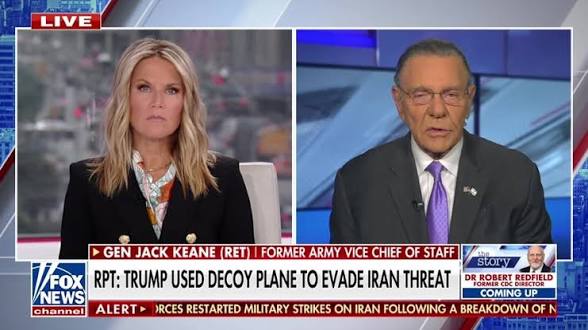
GEN JACK KEANE INTEL WARNING: General Says ‘Unusual’ For US Intelligence To Publicly Disclose Iranian Plot
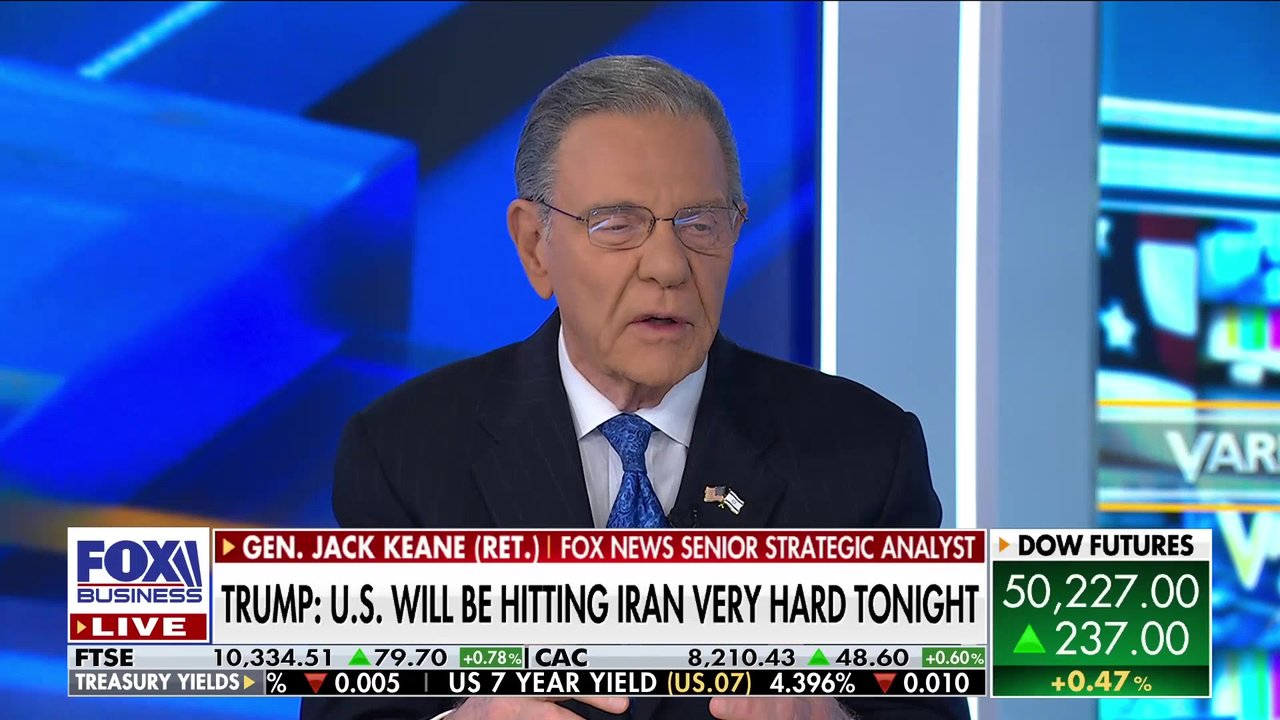
The United States has issued a significant intelligence warning about alleged Iranian efforts to target American personnel abroad. The disclosure has drawn attention from national security experts, including retired General Jack Keane, as tensions between Washington and Tehran continue.
An unclassified memo from Director of National Intelligence Jay Clayton warned that Iran had substantially increased efforts to target US personnel. It also described alleged plots against American citizens as having reached advanced stages in the Middle East and other countries. CBS News and other outlets reported the warning on October 23–24, 2026.
CBS News+1
Keane’s public discussion of the warning has raised an important question: why would US intelligence officials disclose sensitive threat information publicly rather than keep it classified?
The answer may involve several factors, including protecting American personnel, warning Tehran, informing diplomatic decisions, and shaping the international response. However, the public disclosure does not reveal every detail of the intelligence, and the reported allegations should not be treated as proof that a specific attack is imminent.
The latest US Iran intelligence warning has intensified concerns about the safety of American diplomats, government personnel, and other citizens overseas.
According to the unclassified memo reported by CBS News, Director of National Intelligence Jay Clayton informed Secretary of State Marco Rubio that Iran had substantially increased its efforts to target US personnel. The memo described alleged lethal plotting efforts as having reached advanced stages in the Middle East and certain other countries.
CBS News+1
The warning came as US diplomatic missions reviewed their security arrangements amid regional instability and concerns about attacks by Iran-aligned Houthi forces.
These developments matter because American personnel abroad can face threats from several directions. Diplomatic facilities, military installations, and government officials may require additional protection when intelligence agencies identify a changing security environment.
The memo did not publicly identify every suspected target or disclose the specific locations of all alleged plots. It also did not establish that an attack was certain to occur.
That distinction is important. Intelligence warnings are designed to help officials assess risks and take preventive action before a potential threat becomes an actual incident.
For the US government, the challenge is to communicate enough information to protect personnel without exposing intelligence sources, surveillance methods, or operational details that could compromise future investigations.
Why General Jack Keane Is Discussing the Iranian Plot Warning
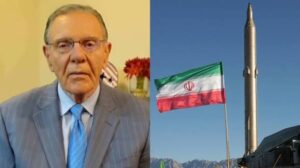
Retired US Army General Jack Keane is a prominent military analyst who regularly comments on American defense policy, strategic threats, and developments involving Iran.
On October 24, Fox News featured Keane discussing the intelligence report about alleged Iranian plots targeting Americans abroad. A further Fox News segment on October 26 examined the increased threat and possible US responses.
Fox News Video+1
The central issue is not simply the alleged threat. It is also the unusual decision to make sensitive intelligence available in an unclassified form.
An important attribution distinction: The NPR interview published on October 26 quoted former national security adviser Jake Sullivan describing the public disclosure as unusual. The available reporting confirms that Keane discussed the warning, but it does not establish that he originated that exact characterization.
Boise State Public Radio+1
That distinction matters for accurate reporting. The headline highlights Keane’s analysis, while the broader debate over why intelligence officials publicly disclosed the warning involves several national security and political considerations.
Military analysts generally examine such announcements through three main questions:
What does the disclosure reveal about the government’s assessment of the threat?
Why does the administration want the information made public now?
Could the announcement influence Iran’s calculations or future US policy?
These questions help explain why a relatively short intelligence memo has attracted significant attention.
What the US Intelligence Memo Revealed
The memo at the center of the story was dated October 23, 2026. Director of National Intelligence Jay Clayton sent it to Secretary of State Marco Rubio, and CIA Director John Ratcliffe was also copied, according to published reporting.
CBS News+1
The document contained a serious warning about Iran’s alleged efforts to target US personnel.
It said intelligence gathered through various channels indicated that Iran had substantially increased those efforts. It also described lethal plotting against American citizens as having reached advanced stages in the Middle East and certain other countries.
However, the memo did not publicly identify every potential target, specify all locations involved, or provide the operational details of the alleged plots.
This limited disclosure creates an important distinction between the intelligence assessment and what the public can independently verify.
Government agencies may possess classified information that cannot be published without risking sources, methods, or ongoing operations. Consequently, an unclassified warning may communicate the seriousness of a threat without revealing the evidence behind every conclusion.
The memo also addressed a practical problem: how to share information with more personnel who might face danger.
Clayton indicated that intelligence officials would work to downgrade sensitive information where possible, allowing it to reach a wider group of State Department personnel.
Axios+1
That step could help officials make informed security decisions while preserving the most sensitive details.
Why Is Publicly Disclosing Intelligence Considered Unusual?
Intelligence agencies traditionally protect information about suspected plots, hostile operations, and potential targets. Public disclosure can create risks, particularly when an adversary might use the announcement to identify what US officials know.
How useful was this post?
Click on a star to rate it!
Average rating 0 / 5. Vote count: 0
No votes so far! Be the first to rate this post.
About the Author

usa5911.com
Administrator
Hi, I’m Gurdeep Singh, a professional content writer from India with over 3 years of experience in the field. I specialize in covering U.S. politics, delivering timely and engaging content tailored specifically for an American audience. Along with my dedicated team, we track and report on all the latest political trends, news, and in-depth analysis shaping the United States today. Our goal is to provide clear, factual, and compelling content that keeps readers informed and engaged with the ever-changing political landscape.