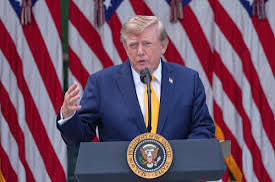
Iran’s escalating use of the death penalty against political prisoners and anti-government protesters has drawn renewed international condemnation. US President Donald Trump has repeatedly criticized Tehran over executions, warning that the treatment of demonstrators represents a serious humanitarian crisis.
The issue has become more urgent following reports that Iranian authorities executed five men convicted in connection with anti-government demonstrations in January 2026. Amnesty International has questioned the fairness of the proceedings, alleging that the defendants faced torture-tainted trials and serious violations of their legal rights.
According to reporting published by Radio Free Europe/Radio Liberty on October 13, the five executions took place between September 30 and October 5. Human rights advocates say the cases reflect a broader campaign of repression against people who challenge Iran’s political leadership.
Trump’s criticism of Iran’s execution practices has already become part of the wider debate over Washington’s policy toward Tehran. However, it is important to distinguish his previously reported public statements from any new reaction to the latest executions.
The controversy raises several important questions. Why are Iranian authorities carrying out executions linked to protests? What concerns have human rights organizations raised? And what could Trump’s position mean for diplomatic relations between Washington and Tehran?
Donald Trump Condemns Iran Over Executions of Protesters
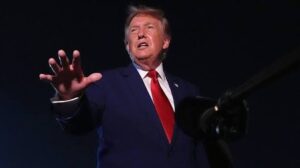
Donald Trump has publicly criticized Iran’s leadership over its treatment of protesters and the country’s growing reliance on capital punishment.
On August 25, 2026, Trump posted a message on Truth Social criticizing Tehran for executing protesters while struggling to meet the financial needs of parts of its military. He described the situation as a humanitarian crisis and called for it to stop, according to Euronews.
His remarks reflected Washington’s growing concern over the use of executions against people accused of participating in demonstrations or threatening national security.
Trump had also warned Iran in January that the United States would take very severe action if detained protesters facing imminent execution were put to death. His administration’s statements have therefore linked the treatment of demonstrators to the broader relationship between the two governments.
Nevertheless, the latest reports of executions require careful examination. A previous presidential statement should not automatically be presented as a new response to events that occurred later.
The central issue remains whether Iran’s authorities are using the death penalty to punish legitimate political opposition and discourage future demonstrations.
Human rights organizations say the allegations warrant urgent international scrutiny.
Five Protest-Related Executions Raise Fresh Concerns
Reports published in October have intensified concern over the fate of people arrested during Iran’s January 2026 protests.
Amnesty International condemned the executions of five men whose cases were connected to the demonstrations. The executions reportedly took place across several Iranian cities between September 30 and October 5.
The men were identified as Ali Hemmati Sistanian, Majid Nikandish, Siavash Jamshidi Kheirabadi, Alireza Sepahi and Alireza Raisi. Their executions were reported in coverage by Radio Free Europe/Radio Liberty, which cited Amnesty International and Iranian judicial reporting.
Amnesty alleged that the men had been convicted following grossly unfair trials affected by torture allegations. The organization also raised concerns about access to legal representation during interrogations and the use of televised confessions.
These allegations are significant because a fair trial is a fundamental protection against arbitrary punishment. Confessions obtained through torture or coercion cannot provide a reliable basis for establishing guilt.
The cases have also raised concerns about whether national security accusations are being used to prosecute people for their participation in political demonstrations.
Amnesty said that at least 34 people had been executed in connection with the January protests, according to its October 13 statement as reported by RFE/RL. It warned that additional prisoners could face execution.
Iranian authorities’ legal justifications and the allegations raised by rights organizations should be assessed separately. Independent access to court records, defendants and their lawyers is essential for establishing the circumstances of individual cases.
Even so, the latest reports have renewed calls for Tehran to halt further executions and provide transparent information about those detained during the demonstrations.
What Happened During Iran’s January 2026 Protests?
The January demonstrations formed part of a broader wave of public unrest in Iran.
According to reporting by Euronews, the protests erupted following the collapse of the Iranian rial in December 2025. Demonstrations spread across numerous cities as economic frustration developed into wider opposition to the country’s political leadership.
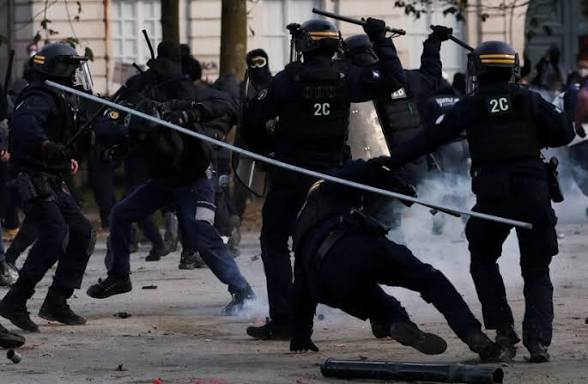
The authorities responded with a security crackdown. Reports from human rights organizations and international investigators described killings, mass arrests and other serious abuses.
The United Nations’ Independent International Fact-Finding Mission on Iran published findings in September 2026 concerning violations connected to the nationwide protests that began on December 28, 2025. The mission concluded that Iranian authorities were responsible for grave human rights violations during the suppression of the demonstrations. Some findings were characterized as crimes against humanity, including murder, imprisonment, torture and other inhumane acts.
The mission’s report also examined violations connected to the hostilities involving Iran, Israel and the United States that began in February 2026. <escape>Source: Abdorrahman Boroumand Center, report by the UN fact-finding mission</escape>
The findings add important context to the current controversy over executions. They indicate that concerns about the treatment of protesters extend beyond individual criminal cases.
For many demonstrators and their families, the central questions concern accountability, due process and the right to express political opposition without facing unlawful violence.
However, the precise circumstances and legal status of each prisoner must still be assessed individually. Not every person arrested during a protest necessarily faces the same accusation or judicial outcome.
Iran’s Growing Use of the Death Penalty
The executions linked to protests have taken place against a wider backdrop of rising capital punishment in Iran.
A report published by Iran International on October 9, citing figures compiled by the human rights organization HRANA, said Iran had carried out at least 2,003 executions during the reporting period from October 10, 2025, to October 8, 2026.
That figure represented a 29% increase from the previous reporting period, according to the report. HRANA based its findings on 1,857 reports and cautioned that restrictions on independent monitoring could mean some executions were not documented.
The figures cover executions for different offences and should not be interpreted as a count of protesters alone. Nevertheless, the overall increase has heightened concerns among rights advocates about Iran’s use of capital punishment. <escape>Source: Iran International</escape>
Human rights organizations have also questioned the transparency of Iran’s execution system. In many cases, families, lawyers and independent observers may face difficulty obtaining reliable information about proceedings and scheduled punishments.
The death penalty is especially controversial when a case involves political dissent, national security allegations or confessions that defendants say were obtained under pressure.
Critics argue that executions in such circumstances can have consequences beyond the individuals convicted. They may also create fear among families, activists, journalists and ordinary citizens who wish to participate in peaceful demonstrations.
Iranian authorities maintain that their judicial system addresses serious crimes and security threats. However, international rights groups say national security concerns do not remove the government’s obligation to respect fundamental legal protections.
Human Rights Groups Challenge the Fairness of Trials
One of the most serious concerns surrounding the reported executions is whether defendants received fair trials.
Amnesty International has alleged that the five men executed in late September and early October were convicted in proceedings affected by torture and other serious irregularities.
The organization highlighted concerns about access to lawyers during the investigation stage, allegations of mistreatment and the use of televised forced confessions.
Such concerns are particularly important in cases that can result in a death sentence.
A fair legal process requires defendants to understand the charges against them, obtain legal representation, challenge evidence and present a defence before an independent court.
Authorities must also investigate credible allegations of torture. A confession cannot be treated as reliable merely because it has been broadcast on television or repeated in an official statement.
When these safeguards are absent, it becomes difficult for independent observers to determine whether a conviction rests on reliable evidence.
Human rights advocates have called on Iranian authorities to disclose relevant court documents, investigate allegations of abuse and ensure that prisoners at risk of execution receive fair legal proceedings.
They have also urged the international community to press for the release of people arbitrarily detained and to oppose executions imposed after unfair trials.
The allegations remain central to the debate because they concern not only the use of capital punishment but also the integrity of the judicial process itself.
Trump’s Iran Policy and the Wider Diplomatic Conflict
Trump’s criticism of Iranian executions comes amid a much broader confrontation between Washington and Tehran.
The two governments have faced disputes over security, regional influence, military operations and the future of diplomatic negotiations. The conflict has complicated efforts to address human rights concerns alongside other international priorities.
Trump’s public statements have presented Iran’s treatment of protesters as a humanitarian issue. At the same time, his administration’s approach to Tehran has been shaped by strategic and security considerations.
This creates a difficult policy challenge.
On one hand, public condemnation can draw attention to prisoners facing execution and increase diplomatic pressure on Iranian authorities. It can also encourage allies to raise human rights concerns through coordinated statements and international institutions.
On the other hand, tensions between the two governments may make negotiations more difficult. Iranian officials could characterize outside criticism as interference in the country’s internal affairs, while US officials may argue that human rights protections are a legitimate international concern.
The effectiveness of Trump’s approach will depend on what follows public statements. Diplomatic engagement, coordinated pressure, support for independent investigations and clear demands for due process could help translate condemnation into practical action.
However, there is no guarantee that public criticism alone will stop executions or secure the release of prisoners.
The latest reports therefore place renewed attention on the balance between political pressure, diplomatic negotiations and efforts to protect people facing punishment.
International Pressure on Tehran Continues to Grow
Concern over Iran’s execution practices extends well beyond the United States.
In August 2026, a joint statement by 32 countries, including France, the United Kingdom and Canada, condemned Iran’s use of capital punishment to silence dissent, according to Euronews.
The statement called for an immediate halt to executions and the release of people arbitrarily detained.
In October, the Center for Human Rights in Iran reported that 46 states had condemned Iran’s escalating use of the death penalty at the UN Human Rights Council. The developments demonstrate the breadth of international concern about the issue.
Human rights organizations have urged governments to maintain pressure on Tehran, investigate alleged abuses and use international mechanisms to promote accountability.
The United Nations also remains an important forum for examining the treatment of protesters and political prisoners. Independent investigations can help document alleged violations, preserve evidence and establish a record for future accountability efforts.
Nevertheless, international pressure faces practical limits. Governments do not always agree on the appropriate response, and diplomatic statements do not automatically change domestic judicial practices.
The challenge is to maintain sustained attention while pursuing measures that can protect people at immediate risk.
Could the Reports Affect US-Iran Relations?
The reported executions could further complicate relations between Washington and Tehran.
Human rights concerns may become another source of tension in negotiations already affected by security disputes and military conflict. If the United States intensifies its criticism, Iranian officials may respond with diplomatic objections or counteraccusations.
At the same time, the cases could increase pressure on Washington’s allies to coordinate their response.
European governments, international organizations and human rights groups may seek additional information about the trials, call for independent investigations or demand that Iran suspend further executions.
The impact on diplomacy will depend on the actions taken by both sides. Stronger public statements may increase pressure, but they could also harden positions if they are not accompanied by clear diplomatic objectives.
For families of prisoners, however, the immediate priority is more direct: preventing further executions, ensuring access to lawyers and obtaining reliable information about the cases.
The broader political consequences matter, but they should not overshadow the individual lives affected by the judicial decisions.
What Happens Next?
The next developments will depend on whether Iranian authorities provide further information about the executions and whether additional prisoners remain at immediate risk.
Human rights organizations are likely to continue documenting cases, challenging alleged unfair trials and urging international institutions to intervene.
Governments may also raise the issue through diplomatic channels, particularly when prisoners face imminent execution or credible allegations of torture emerge.
For the United States, the key question is whether Trump’s condemnation will be followed by specific steps aimed at protecting prisoners and encouraging greater transparency.
For Iran, the international response is likely to remain focused on fair trials, the treatment of detainees and the use of the death penalty in cases connected to political dissent.
Independent verification will be essential. Reports should identify the individuals involved, explain the charges and legal proceedings, and distinguish confirmed facts from allegations made by authorities or advocacy organizations.
The issue is unlikely to disappear quickly. As long as new executions are reported and concerns about judicial fairness remain unresolved, Iran’s human rights record will continue to attract international scrutiny.
Conclusion
Donald Trump’s criticism of Iran’s execution practices has placed renewed attention on the treatment of anti-government protesters and political prisoners. Recent reports about five men executed in connection with the January 2026 demonstrations have intensified concerns raised by Amnesty International and other human rights advocates.
The allegations of unfair trials, torture and restricted access to legal representation require transparent and independent investigation. Broader reporting also points to a sharp rise in executions across Iran, although the overall figures include people convicted of different offences.
For Washington and its international partners, the challenge is to turn condemnation into meaningful action while navigating a complicated diplomatic relationship.
Ultimately, the most important questions concern human rights and accountability: whether defendants receive fair trials, whether credible allegations of torture are investigated and whether people facing execution can obtain effective legal protection.
The international response will be judged not only by the strength of public statements but also by whether it helps prevent further abuses and protects people whose lives may be at risk.
Frequently Asked Questions (FAQs)
1. Why is Donald Trump condemning Iran?
Donald Trump has criticized Iran over its execution of protesters and the country’s treatment of people who oppose its government. On August 25, 2026, he publicly described the situation as a humanitarian crisis and called for it to stop.
2. Did Iran execute anti-government protesters in October 2026?
Reports published in October said that five men convicted in connection with the January 2026 protests were executed between September 30 and October 5. Amnesty International condemned the executions and raised concerns about the fairness of their trials.
3. What did Amnesty International say about the executions?
Amnesty International alleged that the five men faced grossly unfair, torture-tainted trials. It raised concerns about access to lawyers, alleged mistreatment and televised forced confessions.
4. How many people has Iran executed in 2026?
A report published by Iran International on October 9, citing HRANA, documented at least 2,003 executions during the reporting period from October 10, 2025, to October 8, 2026. This figure covers different offences, not only protest-related cases.
5. Why did protests spread across Iran in January 2026?
The demonstrations began following economic turmoil and the collapse of the Iranian rial in December 2025. The unrest spread to numerous cities and developed into wider opposition to Iran’s political leadership.
6. What are the main human rights concerns?
The principal concerns include executions linked to protests, alleged torture, unfair trials, restricted access to lawyers, forced confessions and the detention of people accused of opposing the government.
7. Has the United Nations investigated abuses in Iran?
Yes. The UN Independent International Fact-Finding Mission on Iran published findings in September 2026 concerning serious violations linked to the January protests and subsequent hostilities. Its findings included violations that it characterized as crimes against humanity.
8. Have other countries condemned Iran’s executions?
Yes. According to Euronews, 32 countries issued a joint condemnation in August 2026. The Center for Human Rights in Iran also reported in October that 46 states had condemned Iran’s escalating use of the death penalty at the UN Human Rights Council.
9. Could the executions affect relations between the United States and Iran?
Yes. The issue could increase diplomatic tensions and influence negotiations. The extent of its impact will depend on the responses of both governments and the actions taken by international partners.
10. What could happen next?
Human rights groups are expected to continue documenting cases and urging Iran to halt executions linked to unfair trials. International governments may press for independent investigations, greater transparency and stronger protections for prisoners facing the death penalty.
About the Author