KATIE ZACHARIA WHITE HOUSE DEPARTURE: Kayleigh McEnany Reacts To Press Secretary Leaving After Five Days
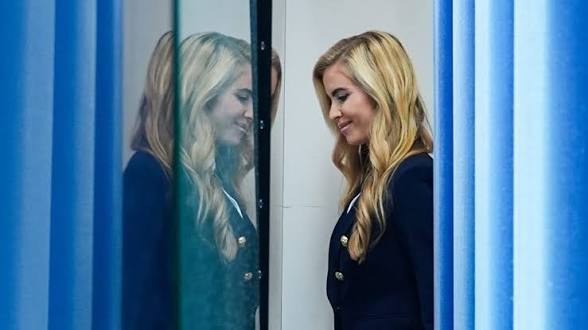
The Katie Zacharia White House departure has become a major political story after the newly appointed press secretary left her position just five days after taking office. The sudden exit has raised questions about the Trump administration’s hiring process, White House communications strategy, and the intense pressure surrounding one of Washington’s most visible jobs.
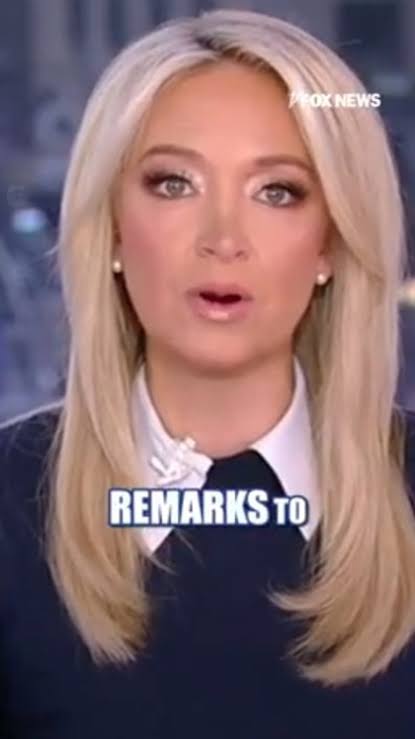
Fox News host Kayleigh McEnany reported on the development during Saturday in America on October 17, 2026. The network’s coverage discussed Zacharia’s departure and President Donald Trump‘s comments about the negative media attention she faced.
Zacharia’s brief tenure followed a difficult first press briefing and questions about her professional credentials. Trump had publicly suggested that she reconsider the position before reports confirmed that she was leaving.
The episode has drawn attention because the press secretary plays a central role in explaining presidential decisions, answering journalists’ questions, and communicating the administration’s policies to the American public.
Katie Zacharia White House Departure: What Happened?
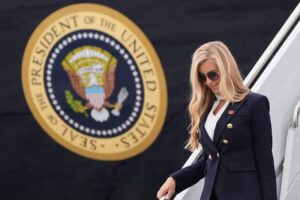
The Katie Zacharia White House departure unfolded on Friday, October 16, 2026, after a turbulent first week in the role.
Trump announced Zacharia’s appointment on October 9. She began work on October 12 and delivered her first press briefing on October 13. Within days, reports emerged that she was leaving the position. Axios reported that two senior administration officials described her departure as an ouster after five days on the job.
The rapid change surprised political observers because Zacharia had only recently been introduced as the administration’s new spokesperson.
According to reporting, her first briefing and questions about her legal qualifications contributed to the controversy. Trump also acknowledged that the negative coverage had become a concern.
However, it is important to distinguish confirmed events from interpretations. The reporting establishes that Zacharia left after five days and that Trump encouraged her to reconsider the job. It does not establish that every reported internal disagreement contributed equally to the final decision.
The departure nevertheless created an immediate communications challenge for the White House. Officials must now determine who will represent the president at briefings and respond to questions from the press.
Kayleigh McEnany Reports on Zacharia’s Sudden Exit
Kayleigh McEnany became part of the story through her coverage on Fox News.
According to the network’s published video description, McEnany reported on Zacharia’s exit during Saturday in America. The segment addressed the five-day tenure and Trump’s comments about the criticism Zacharia received.
McEnany previously served as White House press secretary during Trump’s first administration, from April 2020 to January 2021. Her experience in the role makes her a relevant voice when discussing the pressures of presidential communications.
However, there is an important distinction between reporting on a departure and expressing a personal opinion about it. The available Fox News video description confirms that McEnany covered the story, but it does not provide enough evidence to attribute a specific personal judgment or detailed reaction to her.
For accurate reporting, claims about McEnany’s exact words should be supported by the complete video or a verified transcript.
Her coverage placed the sudden personnel change before a national television audience and highlighted the unusually short period Zacharia spent in the position.
Why Did Katie Zacharia Leave the White House?
Several developments surrounded Zacharia’s departure. Reporting points to her first press briefing, scrutiny of her professional background, and Trump’s public comments as important parts of the story.
1. A difficult first press briefing
Zacharia’s first briefing took place on October 13. According to the Associated Press report published by the Washington Post, she answered questions from three reporters and ended the session after approximately 14 minutes.
The briefing received criticism because of its short duration and her delivery.
Zacharia reportedly explained that she wanted to leave sufficient time for Trump to answer questions later that morning. She also said that she had not received a full briefing from White House staff before appearing before journalists.
These details matter because the press secretary must be prepared to respond to difficult questions, explain policy decisions, and manage unexpected exchanges.
A first briefing can shape public expectations. In Zacharia’s case, the early criticism quickly became part of a broader debate about whether the administration had prepared her adequately for the position.
2. Questions about her legal credentials
A second issue involved Zacharia’s professional background.
Trump described her as an attorney when announcing her appointment. However, questions arose about whether she had passed the bar examination required for admission to practice law in the United States.
Zacharia subsequently told Fox News that she had not passed the bar exam. Reports also noted that she had graduated from Pepperdine University law school and had discussed legal issues as a conservative commentator.
The distinction is important. Graduating from law school does not automatically qualify someone to practise law in the United States. Bar admission and the right to practise depend on the relevant jurisdiction’s requirements.
The controversy placed her qualifications under scrutiny just as she was beginning a highly visible government position.
It also created a communications problem for the administration. Instead of focusing exclusively on policy announcements, coverage increasingly centred on the new spokesperson’s background.
3. Trump’s advice to reconsider the position
Trump addressed the situation publicly on October 16.
According to Axios and Al Jazeera, he said he had advised Zacharia to reconsider the job because of the negative media coverage. He indicated that he did not want her to suffer under the level of criticism she was receiving.
His remarks suggested that the president viewed the pressure surrounding the role as a significant concern.
However, his public explanation should not be treated as proof that media criticism was the only reason for her departure. Reporting also identified the difficult first briefing and questions about her credentials as factors in the controversy.
The exact weight of each factor remains difficult to establish from public reporting alone.
Trump’s Response to the Katie Zacharia Departure
Trump’s comments became one of the defining elements of the story.
Rather than immediately announcing a permanent replacement, the president discussed Zacharia’s treatment by the media. He said he had encouraged her to reconsider the position and expressed concern about the criticism directed at her.
His comments presented the situation as a difficult personal experience as well as a staffing decision.
At the same time, the departure raised questions about the process behind the appointment. Axios reported that Zacharia had been selected following a decision by Trump, while other reports examined how her background and first public appearance became sources of controversy.
For the White House, the immediate challenge is practical. The press secretary must communicate policy clearly, maintain credibility with journalists, and remain prepared to answer questions about fast-moving events.
A sudden change in that position can complicate the administration’s messaging, particularly when the departure itself becomes a major news story.
What Was Zacharia’s Final Message?
Following reports of her departure, Zacharia posted a message on X expressing appreciation for Trump.
Axios reported that she described the president as kind, gracious, thoughtful, enthusiastic, and hardworking. She also said that it had been an honour to work for him.
The message struck a positive tone despite the abrupt end to her appointment.
Her public comments did not provide a detailed explanation of the internal discussions that led to her departure. As a result, readers should avoid assuming that the message confirms or disproves particular theories about disagreements within the administration.
Public statements often reflect the need to maintain professional relationships during a difficult transition. In this case, Zacharia’s message demonstrated that she wished to leave the role while expressing support for the president.
Her next professional steps had not been established by the reports reviewed for this article.
How Unusual Is a Five-Day White House Tenure?
The five-day period made Zacharia’s appointment particularly notable.
The White House press secretary is responsible for communicating the president’s agenda, addressing questions from journalists, and explaining administration decisions. The job requires a combination of policy knowledge, public speaking, media experience, and the ability to respond under pressure.
A short tenure can therefore attract attention beyond the individual involved.
Al Jazeera reported that Zacharia’s five-day stint was shorter than that of Anthony Scaramucci, who served as White House communications director for 10 days during Trump’s first administration. The two positions are different, but the comparison illustrates how quickly senior communications roles can change.
The press secretary’s responsibilities also extend beyond scheduled briefings. The role requires coordination with policy officials, communications staff, and the president’s senior advisers.
A successful spokesperson needs reliable information and clear guidance before facing journalists. Without those resources, even an experienced media personality may struggle to deliver consistent answers.
Zacharia’s experience has renewed discussion about how administrations select and prepare people for highly visible communications jobs.
What the Departure Means for White House Communications
The Katie Zacharia White House departure creates several challenges for the administration.
Maintaining a consistent message
The press secretary helps explain policy decisions in a consistent way. A sudden departure can interrupt that process while staff determine who will take responsibility for briefings and media inquiries.
The administration will need to ensure that journalists continue receiving timely information, even during a transition.
Rebuilding confidence
Questions about professional qualifications can distract from policy announcements. When the public debate centres on a spokesperson’s background rather than government decisions, the communications team may find it harder to control the message.
Future briefings will therefore be important in demonstrating preparedness and credibility.
Selecting a suitable replacement
Trump indicated that he was not rushing to appoint a replacement, according to Fox News reporting cited by Axios.
The next appointment will likely attract attention because the role requires more than television experience or political loyalty.
A candidate must be able to explain complicated policies, handle adversarial questions, and work closely with the administration’s communications operation.
The transition also provides an opportunity to review how new spokespeople are briefed before their first appearances.
The Role of Media Pressure in Political Appointments
Zacharia’s departure highlights the relationship between political appointments and public scrutiny.
Senior government officials operate under intense attention. Their statements, professional histories, and public appearances can become subjects of immediate debate.
That scrutiny serves an important purpose. Journalists and the public have legitimate reasons to examine the qualifications of people appointed to influential government positions.
At the same time, media pressure can shape how quickly an administration responds to controversy. Leaders must decide whether to defend an appointee, provide additional support, or make a change.
Trump’s remarks indicated that he was concerned about the negative attention Zacharia was receiving. Nevertheless, her departure also followed questions about her first briefing and legal credentials.
This makes the episode more complicated than a simple disagreement between a government official and the press.
It raises broader questions about preparation, transparency, appointment decisions, and the expectations placed on public-facing officials.
Kayleigh McEnany’s Experience Adds Context
McEnany’s involvement in reporting the story offers a useful connection to the demands of the position.
As a former White House press secretary, she understands the need to communicate presidential priorities while responding to questions from reporters. The job can involve difficult exchanges, rapidly changing news, and pressure to defend decisions made by other officials.
However, the circumstances surrounding each administration and each appointment are different. McEnany’s experience does not establish what Zacharia’s internal working conditions were or why every decision was made.
Her Fox News segment is best understood as coverage of a major political development, rather than proof of a particular personal assessment unless her precise words can be verified.
For audiences following the story, this distinction helps separate confirmed reporting from interpretation.
What Happens Next for the White House Press Secretary Role?
The next stage will depend on the administration’s replacement decision and how it manages communications in the interim.
Several developments will be worth watching:
A replacement announcement: The administration will need to identify who will take over the press secretary’s responsibilities.
The next press briefing: The format, preparation, and quality of future briefings may influence perceptions of the communications team.
Further clarification: Additional statements from Zacharia or White House officials could clarify the circumstances of the departure.
Internal staffing changes: Any new appointments or adjustments to the communications team may indicate how the administration plans to avoid similar disruptions.
Until officials provide further information, claims about private disagreements or a coordinated effort to remove Zacharia should be treated cautiously.
The most reliable approach is to follow confirmed statements, established reporting, and any official announcement about the role’s future.
Conclusion
The Katie Zacharia White House departure marks an unusually brief chapter in the Trump administration’s communications operation. After five days in the role, Zacharia left amid criticism of her first briefing and questions about her professional credentials.
Kayleigh McEnany covered the development for Fox News, while Trump publicly discussed his advice that Zacharia reconsider the position because of negative media attention.
The episode raises important questions about hiring decisions, preparation, and the demands of representing the president before the press. It also demonstrates how quickly a personnel decision can become a national political story.
For now, the central facts are clear: Zacharia’s tenure ended after five days, the controversy developed rapidly, and the administration faced the task of managing a sudden change in its public-facing communications team.
Further details about the circumstances and the choice of a permanent replacement should be based on verified statements and credible reporting rather than speculation.
Frequently Asked Questions (FAQs)
1. Why did Katie Zacharia leave the White House?
Katie Zacharia left the White House press secretary position after five days. Her departure followed criticism of her first briefing, questions about her legal credentials, and Trump’s public comments encouraging her to reconsider the role.
2. Did Kayleigh McEnany react to Katie Zacharia’s departure?
Kayleigh McEnany reported on Zacharia’s exit during Fox News’ Saturday in America on October 17, 2026. The published segment description confirms that she covered the departure and Trump’s comments.
3. How long was Katie Zacharia White House press secretary?
Zacharia served for approximately five days. She began work on October 12, 2026, and her departure was reported on October 16.
4. Why was Katie Zacharia’s first briefing controversial?
Her first briefing on October 13 lasted approximately 14 minutes and included questions from three reporters. Her delivery attracted criticism, and Zacharia said she had not been fully briefed by White House staff beforehand.
5. What did Donald Trump say about Zacharia leaving?
Trump said he had encouraged Zacharia to reconsider the job because of the negative media coverage. He expressed concern about the criticism she was experiencing.
6. Did Katie Zacharia pass the bar exam?
Zacharia told Fox News that she had not passed the bar exam. The issue became a source of controversy after Trump described her as an attorney when announcing her appointment.
7. What did Katie Zacharia say after leaving?
According to Axios, Zacharia posted a message on X praising Trump and describing her time working for him as an honour.
8. Who will replace Katie Zacharia as White House press secretary?
A permanent replacement had not been confirmed in the reporting reviewed for this article. Trump indicated that he was not rushing to make the appointment. Readers should check for a subsequent official announcement.
9. Why is the Katie Zacharia White House departure significant?
The departure is significant because it ended a high-profile appointment after only five days and raised questions about hiring decisions, media preparation, professional credentials, and the administration’s communications strategy.
10. Where can readers watch Kayleigh McEnany’s report?
Readers can find the Fox News video titled Katie Zacharia out as White House press secretary after 5 days on the Fox News website.
How useful was this post?
Click on a star to rate it!
Average rating 0 / 5. Vote count: 0
No votes so far! Be the first to rate this post.
About the Author

usa5911.com
Administrator
Hi, I’m Gurdeep Singh, a professional content writer from India with over 3 years of experience in the field. I specialize in covering U.S. politics, delivering timely and engaging content tailored specifically for an American audience. Along with my dedicated team, we track and report on all the latest political trends, news, and in-depth analysis shaping the United States today. Our goal is to provide clear, factual, and compelling content that keeps readers informed and engaged with the ever-changing political landscape.