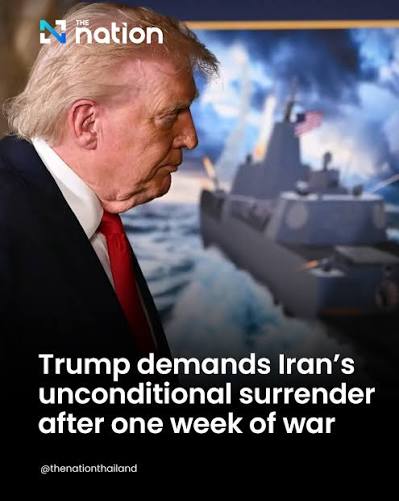
Iran has issued a tough new set of demands aimed at ending the conflict with the United States, including compensation for war damage, an end to U.S. military operations, sanctions relief and the withdrawal of American forces from the region. The demands have intensified an already dangerous standoff over the Strait of Hormuz and raised fresh concerns about whether the conflict could expand further.
The latest developments come as diplomatic efforts continue to search for a pathway toward a broader agreement. Iran has linked the reopening of the strategic waterway to major political and security conditions, putting additional pressure on Washington and regional governments.
Reports on August 8 and 9 said Iranian officials were demanding that the United States permanently end military threats, lift sanctions, release frozen Iranian assets and compensate Iran for damage caused during the war.
The situation has created renewed anxiety across the Middle East. The Strait of Hormuz is one of the world’s most important energy routes, so prolonged disruption could affect oil markets, shipping costs and economies far beyond the region.
However, talk of “WW3” should be treated carefully. The current crisis represents a serious risk of wider regional escalation, but there is no reliable evidence that a global world war has begun.
Iran Calls On US For Compensation
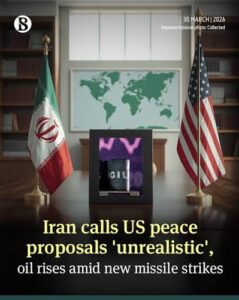
Iran’s demand for compensation is one of the most significant parts of its latest conditions.
Tehran argues that the United States should compensate Iran for damage caused during the conflict. Iranian officials have also demanded broader changes in American policy, including an end to military pressure and the removal of economic restrictions.
Reports have put Iranian demands for compensation at hundreds of billions of dollars, although the exact amount and structure of any potential payment remain matters of negotiation and reporting. Earlier reports also described Iranian proposals involving war reparations as part of a potential settlement.
Compensation would be difficult for Washington to accept.
For the United States, agreeing to financial reparations could carry major political consequences. It could also become a central obstacle in any peace negotiations because Washington and Tehran have sharply different interpretations of responsibility for the conflict.
That disagreement means compensation is unlikely to be a simple financial issue. It is connected to the larger question of how the war ends and what guarantees both sides receive afterward.
Iran Demands End To US Military Action
Iran has also called for a permanent end to U.S. military activity against the country.
According to recent reports, Tehran wants guarantees that the United States will not resume attacks after a ceasefire. Iranian officials have argued that any agreement must prevent another conflict from breaking out shortly after a settlement.
This demand reflects the deep mistrust between Washington and Tehran.
Earlier negotiations have repeatedly struggled because each side has questioned whether the other can be trusted to honor commitments. Iran has sought security guarantees, while the United States has demanded restrictions connected to Iran’s military capabilities, regional activities and strategic policies.
A durable agreement would therefore need more than a temporary halt in fighting.
Both sides would need mechanisms capable of verifying compliance and responding to violations without immediately returning to military confrontation.
Strait Of Hormuz Becomes The Biggest Pressure Point
The Strait of Hormuz is at the center of the latest crisis.
The narrow waterway connects the Persian Gulf with the Gulf of Oman and is critical for international energy shipments. Any prolonged disruption can therefore create consequences for countries that are not directly involved in the conflict.
Iran has tied the future of the waterway to its broader demands.
Recent reports said Iranian officials want the United States to end military activities, lift sanctions, withdraw forces and provide compensation before the strait is fully reopened.
Washington, meanwhile, has pushed for unrestricted commercial shipping and rejected Iranian attempts to impose broad control over international maritime traffic.
That creates a difficult negotiating problem.
The United States wants reliable freedom of navigation. Iran wants security guarantees and political concessions before allowing the waterway to return to normal.
The disagreement could keep the strait at the heart of the crisis even if diplomatic talks continue.
Why The Strait Of Hormuz Matters To The World
The importance of the Strait of Hormuz goes far beyond Iran and the United States.
Large quantities of oil and other energy products move through the waterway. Any serious disruption can affect global supply chains and energy prices.
Higher shipping risks can also increase insurance costs. Tankers may be forced to take alternative routes, adding time and expense to international deliveries.
For countries dependent on imported energy, the consequences can become especially serious.
This is why governments across Asia, Europe and the Middle East are watching the situation closely.
The longer the crisis continues, the greater the risk that a regional military confrontation becomes an international economic problem.
US-Iran Tensions Could Become A Major Diplomatic Test
The latest Iranian demands present a major test for U.S. diplomacy.
Washington must balance several competing objectives. It wants to protect American forces and allies, maintain freedom of navigation, limit Iran’s military capabilities and prevent the conflict from spreading.
At the same time, a continued war could create enormous economic and strategic costs.
Iran also faces difficult choices.
Tehran wants security guarantees and compensation, but some of its demands could be unacceptable to Washington. Maintaining pressure over the Strait of Hormuz may give Iran leverage, but it also risks increasing international opposition.
The diplomatic challenge is therefore enormous.
Both governments have incentives to negotiate, but each side also has reasons to avoid appearing weak.
Could Compensation Become Part Of A Peace Deal?
Compensation could theoretically become part of a broader settlement, but such an agreement would likely be complicated.
A potential peace framework could involve several elements:
- A permanent ceasefire.
- Guarantees against renewed attacks.
- Removal or modification of sanctions.
- Release of frozen Iranian assets.
- Compensation or reconstruction funding.
- Withdrawal or repositioning of military forces.
- Arrangements for shipping through the Strait of Hormuz.
- International monitoring mechanisms.
The exact structure would depend on negotiations.
Financial compensation does not necessarily have to take the form of a direct payment from one government to another. In international settlements, economic arrangements can take different forms, including reconstruction assistance, asset releases or other negotiated mechanisms.
For now, however, reports indicate that Iran is demanding compensation while Washington has not agreed to those terms.
Why WW3 Fears Are Growing
The phrase “WW3” has appeared frequently in public discussion whenever major powers become directly involved in a conflict.
The current situation understandably creates concern because the confrontation involves the United States, Iran and multiple regional actors. Fighting around the Persian Gulf also creates risks for neighboring countries and international shipping.
But escalation does not automatically mean a world war.
A wider conflict would require several additional developments, such as direct sustained military involvement by multiple major powers or a chain of attacks that expands beyond the current theater.
There are still diplomatic channels available.
Oman has been involved in mediation efforts, and recent reporting indicates that discussions concerning maritime arrangements and broader negotiations remain active.
That means diplomacy remains an important alternative to escalation.
Iran’s Six Conditions Increase Pressure
Recent reports indicate that Iran has presented a broad set of conditions for diplomatic engagement with the United States.
These conditions reportedly include ending U.S. threats, lifting sanctions, withdrawing military forces, addressing war damage and changing the military posture around Iranian ports and the Strait of Hormuz.
The demands show how far apart the two sides remain.
Iran wants an agreement that addresses what it considers the causes and consequences of the war.
The United States, however, is expected to seek commitments that address Iranian military activities and regional security.
The negotiations could therefore become a complex exchange of concessions.
What Happens If Talks Fail?
If diplomatic efforts collapse, the risks could increase.
A failure of negotiations could lead to continued restrictions around the Strait of Hormuz, additional military incidents and further pressure on energy markets.
Another concern is miscalculation.
Military forces operating in a crowded region can encounter situations in which a single incident rapidly escalates. A strike on a vessel, military base or energy facility could trigger retaliation and then another round of attacks.
That is why communication channels are particularly important.
Even governments that strongly disagree need mechanisms to prevent individual incidents from becoming uncontrollable.
Global Markets Are Watching Closely
Oil markets are particularly sensitive to developments involving the Strait of Hormuz.
Any threat to major energy shipments can create expectations of tighter supply. Those expectations can influence prices even before physical shortages occur.
Shipping companies also face higher risks when military activity increases.
Insurance premiums, route changes and security measures can all increase the cost of transporting goods.
Consumers around the world can eventually feel these effects through higher fuel, transportation and manufacturing costs.
The economic consequences therefore provide another reason for major powers to seek a diplomatic solution.
Can Iran And The US Still Reach A Deal?
Despite the harsh rhetoric, negotiations remain possible.
Iranian President Masoud Pezeshkian has reportedly expressed optimism about the possibility of reaching an agreement, while mediation efforts involving Oman continue.
The existence of negotiations is important because it means the situation has not reached an irreversible point.
However, the gap between the two sides remains substantial.
Iran wants compensation, sanctions relief, security guarantees and changes to the U.S. military presence.
Washington is likely to demand security commitments and reliable access for international shipping.
Bridging these positions will require difficult compromises.
What Could De-Escalation Look Like?
A possible path toward de-escalation could begin with a limited agreement.
The first stage could involve stopping attacks and establishing a verified ceasefire.
The second stage could address maritime security and reopen commercial shipping.
The third stage could focus on sanctions, frozen assets and reconstruction.
Finally, the two governments could negotiate longer-term security arrangements.
Such a process would allow both sides to make incremental concessions rather than attempting to solve every disagreement in one agreement.
International mediators could also help verify compliance.
The Bigger Picture
Iran’s demand for compensation is not simply about money.
It is part of a much larger struggle over security, sovereignty, sanctions, military power and control of strategic waterways.
For Iran, compensation could symbolize recognition of the damage caused by the conflict.
For the United States, accepting such a demand could create political and strategic complications.
The Strait of Hormuz adds another layer of pressure because its future affects the global economy.
The coming diplomatic efforts will therefore be closely watched.
If negotiators can find a compromise, the latest crisis could eventually move toward a broader settlement.
If they fail, continued military pressure and disruption around the Gulf could increase the danger of a wider regional conflict.
Conclusion
Iran’s call on the United States for compensation has added another major obstacle to efforts to end the war.
Tehran is reportedly demanding compensation for war damage alongside an end to U.S. military action, sanctions relief, release of frozen assets and withdrawal of American forces. Iran has also linked these issues to the future of the Strait of Hormuz.
The demands are unlikely to be accepted easily by Washington.
At the same time, the costs of continued confrontation are significant for both sides and for the global economy.
The biggest question now is whether diplomacy can turn the competing demands into a workable agreement.
Despite alarming headlines about “WW3,” the immediate story is still one of dangerous regional escalation combined with active diplomatic efforts.
The next stage of negotiations could determine whether the crisis moves toward a ceasefire and reopening of the Strait of Hormuz—or toward another period of confrontation.
FAQs
1. Why is Iran calling on the US for compensation?
Iran is demanding compensation for damage it says was caused during the war. Compensation is reportedly part of a broader package that includes an end to military action, sanctions relief and security guarantees.
2. What does Iran want from the United States?
Iran has reportedly demanded an end to U.S. military threats, withdrawal of American forces, lifting of sanctions, release of frozen assets and compensation for war damage.
3. Why is the Strait of Hormuz important?
The Strait of Hormuz is a critical international energy route. Disruption can affect oil shipments, shipping costs, insurance rates and global energy markets.
4. Could the Iran-US crisis cause WW3?
A wider conflict is a serious concern, but the current situation should not automatically be described as World War III. Diplomatic negotiations and mediation efforts remain active.
5. Is Iran willing to negotiate with the US?
Recent reporting indicates that diplomatic efforts remain active, including mediation involving Oman. However, major disagreements over sanctions, military forces, compensation and maritime access remain unresolved.
6. Will Iran reopen the Strait of Hormuz?
Iran has linked reopening the waterway to conditions involving U.S. military activity, sanctions, security guarantees and compensation. The final arrangement remains subject to negotiations.
7. Could the conflict affect oil prices?
Yes. Any major disruption to shipping through the Strait of Hormuz can create concerns about energy supplies and potentially increase oil and transportation costs.
8. What happens if US-Iran talks fail?
A failure could prolong military tensions, disrupt shipping and increase pressure on regional governments and global energy markets. It could also increase the risk of further escalation.
9. Is compensation the only issue between Iran and the US?
No. Compensation is one part of a much broader dispute involving sanctions, military activity, security guarantees, Iranian regional policies and the future of the Strait of Hormuz.
10. What is the most important development to watch?
The key developments are whether negotiations produce a verified ceasefire, whether shipping through the Strait of Hormuz resumes normally and whether Washington and Tehran can compromise on sanctions, security and compensation
About the Author