13th Night Shock:US Military Pauses Iran Strikes,Terror,Fury
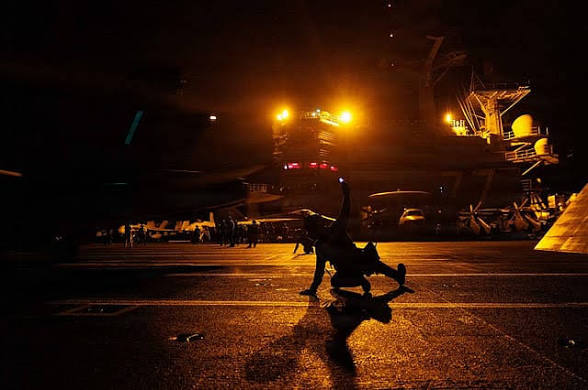
The Middle East crisis entered a dramatic new phase as the United States military reportedly reached the 13th night of strikes against Iran, followed by growing speculation about a possible pause in operations. The development triggered intense reactions worldwide, with governments, markets, and security analysts watching closely for signs of either de-escalation or a temporary break before further confrontation.
For nearly two weeks, US-Iran tensions have intensified through missile exchanges, military operations, and threats of wider regional involvement. The latest pause has created uncertainty: Is diplomacy gaining momentum, or is this simply a strategic reset before another wave of attacks?
The situation has become one of the most closely monitored international security crises, affecting energy markets, shipping routes, and alliances across the globe.
US Military Pauses Iran Strikes: What Happened on the 13th Night?
The United States military confirmed that operations against Iranian targets continued into the 13th consecutive night. Reports indicated that American forces targeted locations linked to Iran’s military capabilities, including infrastructure connected to missile and drone operations.
However, following the latest round of attacks, attention shifted toward reports suggesting a possible pause. Such a pause could indicate several possibilities:
- A diplomatic opening between Washington and Tehran
- A reassessment of military objectives
- Pressure from international partners
- Concerns about a wider regional conflict
Military pauses are often used during major conflicts to evaluate battlefield conditions, protect forces, or create opportunities for negotiations.
The uncertainty surrounding the pause has increased global anxiety because neither side has fully indicated that the conflict is ending.
Why Did the US Launch Strikes Against Iran?
The US government has stated that military actions were connected to protecting American forces, countering threats, and responding to attacks linked to Iran and its regional allies.
The conflict has expanded beyond direct US-Iran confrontation. Regional actors and strategic waterways have become major concerns, particularly shipping routes in the Middle East.
The Strait of Hormuz remains one of the world’s most important energy routes. Any prolonged instability in the area could affect:
- Global oil supplies
- International shipping costs
- Energy prices
- Regional economies
Analysts warn that continued escalation could create economic consequences far beyond the Middle East.
Iran’s Response and Rising Regional Fear
Iran has repeatedly warned that it would respond to military pressure. Tehran has accused Washington of aggression and has threatened retaliation against US interests in the region.
The conflict has also involved Iran-aligned groups, increasing concerns that the battlefield could expand. Reports have highlighted attacks and threats involving areas beyond Iran’s borders, including maritime routes and regional military facilities.
Security experts fear that a larger confrontation could involve:
- Gulf countries
- International shipping routes
- Military bases
- Energy infrastructure
The possibility of a wider regional war has become a major concern among world leaders.
Global Markets React to Middle East Crisis
Whenever tensions rise between major military powers, financial markets respond quickly.
The Iran conflict has raised concerns about:
Oil Prices
The Middle East supplies a significant portion of the world’s energy resources. Any threat to production or transportation can push prices higher.
Shipping Disruptions
The Persian Gulf and Red Sea are critical trade routes. Increased military activity can lead to:
- Higher insurance costs
- Delayed shipments
- Increased transportation expenses
Investor Uncertainty
Businesses and investors often react cautiously during geopolitical crises because prolonged conflicts can affect economic growth.
Is This a Real Ceasefire or Temporary Pause?
The biggest question after the 13th night developments is whether the pause represents genuine progress or only a short break.
Experts usually examine several factors:
1. Military Movements
A real reduction in conflict would likely involve fewer attacks, fewer deployments, and reduced threats.
2. Diplomatic Communication
Behind-the-scenes discussions through international partners often play a major role during conflicts.
3. Statements From Leaders
Official comments from Washington and Tehran will determine whether tensions are actually decreasing.
At this stage, uncertainty remains high.
Trump Administration’s Next Move: Between Pressure and Diplomacy
After the 13th night of US military operations against Iran, attention has shifted toward Washington’s next decision. The biggest challenge for US policymakers is balancing military pressure with the risk of creating a larger regional war.
US officials have repeatedly stated that the objective of the strikes is to reduce threats against American forces, protect international shipping, and weaken Iran’s military capabilities. The latest operations reportedly targeted command centers, drone facilities, communication networks, coastal surveillance systems, and maritime capabilities.
However, continuing military action carries significant risks. A prolonged conflict could increase pressure on the US administration from:
- Lawmakers demanding oversight
- International allies calling for restraint
- Markets reacting to uncertainty
- Citizens concerned about a wider war
The possibility of negotiations remains open, but both sides face domestic and strategic challenges.
Iran’s Military Strategy After US Strikes
Iran has historically relied on a combination of conventional military forces, missile capabilities, drones, and regional partnerships to respond to pressure.
Following US attacks, Tehran has emphasized its ability to defend its territory and retaliate against threats. Iranian responses have reportedly included attacks targeting US positions in parts of the region, increasing fears of a broader confrontation.
Iran’s strategy may focus on:
1. Asymmetric Warfare
Instead of directly matching US military power, Iran has often used missile technology, drones, and regional influence to create pressure.
2. Economic Pressure
The possibility of disruption in energy routes remains a major concern. Any instability around key waterways could affect global fuel markets.
3. Political Resistance
Iranian leadership may attempt to present resistance against foreign pressure as a matter of national security.
WW3 Fears: Is a Global War Possible?
The phrase “World War 3” has become common in online discussions whenever major powers enter military conflict. However, experts usually examine actual indicators before predicting a global war.
A worldwide conflict would likely require:
- Direct military involvement of multiple major powers
- Expansion beyond regional boundaries
- Breakdown of diplomatic channels
- Large-scale alliances entering the battlefield
At present, the Iran crisis remains focused primarily on the Middle East, but the risk of escalation cannot be ignored.
Countries including Russia, China, and regional powers are watching developments closely because the conflict could affect global security and economic stability.
NATO and International Reaction
The international community has reacted cautiously to the escalating US-Iran confrontation.
Many governments have called for:
- Protection of civilians
- Stability in energy markets
- Safe international shipping
- Diplomatic solutions
European countries face a difficult position. While some support efforts to counter security threats, others worry that continued strikes could destabilize the region further.
The United Nations and international organizations often play a role in encouraging communication during major conflicts, though successful mediation depends on cooperation from all sides.
Impact on Energy and Global Economy
One of the biggest concerns from the Iran crisis is the impact on the global economy.
Oil Market Pressure
The Middle East remains a critical region for global energy supplies. Any threat to production facilities or shipping routes can increase prices.
Inflation Concerns
Higher energy prices can affect:
- Transportation costs
- Food prices
- Manufacturing expenses
- Household budgets
Business Uncertainty
Companies operating internationally may face:
- Supply chain disruptions
- Higher insurance costs
- Market volatility
The longer the conflict continues, the greater the economic pressure could become.
The Strait of Hormuz: A Strategic Flashpoint
The Strait of Hormuz is one of the world’s most important maritime routes. A major disruption there could affect millions of barrels of oil shipments.
The US military has stated that protecting commercial maritime movement remains a key objective of its operations.
Any serious threat to this route could create international pressure because countries across Asia, Europe, and North America depend on stable energy supplies.
Humanitarian Concerns Grow
Beyond military strategies, the human impact of conflict remains a major concern.
War can create:
- Civilian casualties
- Damage to infrastructure
- Displacement of families
- Pressure on healthcare systems
International organizations often emphasize the importance of protecting civilians and maintaining humanitarian access during conflicts.
What Happens Next?
The next few days could determine whether the conflict moves toward diplomacy or further escalation.
Possible scenarios include:
Scenario 1: Diplomatic Breakthrough
A successful negotiation could reduce tensions and create a path toward a ceasefire.
Scenario 2: Temporary Pause
Both sides may pause operations while preparing for future decisions.
Scenario 3: Further Escalation
Additional attacks could expand the conflict and involve more countries.
At this stage, uncertainty remains the defining feature of the crisis.
Conclusion: A Dangerous Turning Point
The 13th night of US military strikes against Iran represents a critical moment in one of the world’s most serious security crises. While reports of a pause have created hope for reduced tensions, the possibility of renewed conflict remains.
The coming days will reveal whether diplomacy can succeed or whether the region faces another cycle of escalation.
The world is watching closely as Washington and Tehran decide their next moves.
Frequently Asked Questions (FAQs)
1. Why did the US strike Iran?
The US stated that its military operations were aimed at reducing threats from Iranian military capabilities and protecting American forces and international shipping routes.
2. What happened on the 13th night of US strikes?
US Central Command reported completing the 13th consecutive night of strikes against Iranian military-related targets.
3. Has the US-Iran war ended?
No. A pause in military activity does not automatically mean the conflict has ended. Diplomatic developments will determine future steps.
4. Could this conflict become World War 3?
While escalation risks exist, a global war would require wider involvement from multiple major powers.
5. How does the Iran conflict affect oil prices?
Instability in the Middle East can increase concerns about energy supplies, potentially affecting global oil markets.
6. What is the Strait of Hormuz?
The Strait of Hormuz is a major international shipping route connecting the Persian Gulf with global markets.
7. Will there be more US strikes on Iran?
Future military actions depend on political decisions, security assessments, and developments on the ground.
8. Can diplomacy stop the conflict?
Diplomacy can reduce tensions if both sides agree to negotiations and compromise.
How useful was this post?
Click on a star to rate it!
Average rating 0 / 5. Vote count: 0
No votes so far! Be the first to rate this post.
About the Author

usa5911.com
Administrator
Hi, I’m Gurdeep Singh, a professional content writer from India with over 3 years of experience in the field. I specialize in covering U.S. politics, delivering timely and engaging content tailored specifically for an American audience. Along with my dedicated team, we track and report on all the latest political trends, news, and in-depth analysis shaping the United States today. Our goal is to provide clear, factual, and compelling content that keeps readers informed and engaged with the ever-changing political landscape.