Strait Of Hormuz:US Navy Smashes Coastal Defense,Daytime Strikes,WW3
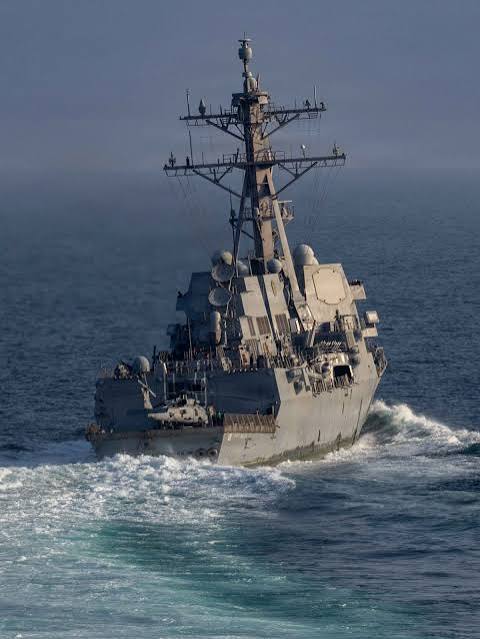
The Strait of Hormuz has once again become the center of international attention as military tensions between the United States and Iran escalate. The narrow waterway, considered one of the world’s most important energy routes, has become the stage for a dangerous confrontation involving naval forces, missile systems, coastal defenses, and global security concerns.
Recent reports describe new U.S. military strikes targeting Iranian military infrastructure linked to coastal defense capabilities and missile systems. The operations have intensified fears that a regional confrontation could expand into a larger international crisis.
For millions watching worldwide, one question dominates headlines:
Could the Strait of Hormuz conflict become the spark for a wider war?
The answer remains uncertain, but the stakes are extremely high.
Why The Strait Of Hormuz Is So Important
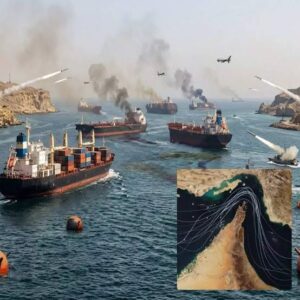
The Strait of Hormuz is a narrow maritime passage connecting the Persian Gulf with the Gulf of Oman and the Arabian Sea. Despite its relatively small size, it plays a massive role in the global economy.
A significant portion of the world’s oil and natural gas shipments pass through this waterway every year. Any disruption could affect:
- Global energy prices
- International shipping
- Inflation rates
- Fuel costs
- Economic stability
Because of this importance, military activity around the strait has always attracted global attention.
The United States has repeatedly stated that maintaining freedom of navigation in international waters remains a major security priority. U.S. Central Command has previously announced operations aimed at protecting shipping routes and countering threats against maritime traffic.
US Navy Operations Target Coastal Defense Systems
The latest escalation reportedly involves U.S. military actions against Iranian defense infrastructure.
According to reports, strikes have focused on locations connected to:
- Coastal radar systems
- Missile launch capabilities
- Air-defense networks
- Military command facilities
The objective, according to U.S. officials, is to reduce Iran’s ability to threaten commercial shipping and military vessels operating near the Strait of Hormuz.
Modern naval warfare depends heavily on controlling information and preventing enemy forces from detecting and targeting ships. Coastal defense systems provide countries with the ability to monitor sea traffic and launch anti-ship weapons.
Destroying or weakening these systems can significantly change the military balance in a maritime conflict.
Daytime Strikes Increase Global Concern
Military operations conducted during daylight hours have attracted additional attention because they represent a visible demonstration of power.
Daytime strikes can send several messages:
Military capability
A country conducting precision attacks wants to demonstrate advanced technology and operational confidence.
Strategic warning
Visible operations can serve as a warning to opponents and allies.
Political pressure
Military actions often influence diplomatic negotiations.
However, every strike also carries risks. A miscalculation could trigger retaliation and expand the conflict beyond its original boundaries.
Why Experts Are Watching For A Bigger Conflict
The phrase “World War 3” has frequently appeared in online discussions whenever major powers enter direct confrontation. While such fears attract attention, experts usually examine several factors before predicting a global war.
Important factors include:
- Whether additional countries become directly involved
- Whether attacks expand beyond military targets
- Whether diplomatic channels collapse
- Whether energy routes remain open
- Whether regional allies enter the conflict
The Strait of Hormuz crisis is particularly sensitive because it involves multiple countries with strategic interests in the Middle East.
Iran’s Strategic Position In The Strait Of Hormuz
Iran has historically viewed the Strait of Hormuz as a critical part of its national security strategy.
The country’s geographic position gives it influence over the waterway, including nearby islands and coastal areas.
Iran’s military capabilities in the region include:
- Anti-ship missiles
- Fast attack boats
- Drones
- Coastal defense systems
- Naval forces
These capabilities allow Iran to threaten shipping lanes even without attempting a traditional naval battle.
The Global Oil Market Reacts To Hormuz Tensions
Whenever conflict threatens the Strait of Hormuz, energy markets react quickly.
Potential consequences include:
Higher Oil Prices
Investors often worry about supply disruptions, causing oil prices to rise.
Shipping Costs Increase
Insurance companies may increase rates for vessels operating in conflict zones.
Consumer Impact
Higher energy costs can affect:
- Transportation prices
- Manufacturing costs
- Household expenses
A prolonged crisis could create economic pressure far beyond the Middle East.
Modern naval warfare is no longer only about battleships and aircraft carriers. Information, surveillance, and missile technology play a critical role in controlling strategic waterways.
Coastal defense systems allow a country to:
- Detect approaching ships
- Track military movements
- Launch anti-ship missiles
- Coordinate drone attacks
- Protect important military zones
Reports indicate that recent U.S. operations focused on Iranian coastal defense systems and missile-related sites with the stated goal of reducing threats to commercial shipping near the Strait of Hormuz.
By targeting these systems, the United States aims to weaken Iran’s ability to restrict maritime movement or threaten naval forces operating in the region.
However, military analysts warn that destroying individual systems does not automatically remove the broader threat. Coastal warfare networks can be mobile, hidden, and rebuilt over time.
Iran’s Possible Response After US Strikes
Following intensified U.S. military action, the biggest question is how Iran may respond.
Iran has several possible options:
1. Missile And Drone Retaliation
Iran has developed a large arsenal of missiles and drones. These weapons provide Tehran with the ability to strike targets beyond its immediate borders.
Possible targets could include:
- Military bases
- Naval facilities
- Regional infrastructure
- Strategic assets
Any major retaliation could increase pressure on U.S. forces and regional allies.
2. Pressure On Shipping Routes
The Strait of Hormuz remains Iran’s strongest strategic advantage.
Even without completely closing the waterway, Iran could attempt to create uncertainty by:
- Threatening commercial vessels
- Using naval patrols
- Deploying drones
- Increasing military activity
Such actions could affect global shipping confidence.
Recent reports describe continued tensions around maritime traffic and military operations connected to the strait.
3. Diplomatic Countermoves
Military escalation is only one path.
Iran could also attempt:
- International diplomatic appeals
- Negotiations through third-party countries
- Pressure through regional partners
Historically, major Middle East crises have often involved both military pressure and diplomatic efforts.
Could The Strait Of Hormuz Crisis Become World War 3?
The phrase “WW3” has become common during major international conflicts, but a global war requires several conditions.
Experts typically look for:
Direct Conflict Between Major Powers
A wider war becomes more likely if multiple powerful nations directly enter combat.
Expansion Beyond The Region
If fighting spreads to other areas, the possibility of a larger conflict increases.
Breakdown Of Diplomacy
The absence of communication channels can make accidental escalation more likely.
At present, the Strait of Hormuz crisis represents a serious international security challenge, but predicting a world war outcome remains uncertain.
Impact On India And Global Economy
The Strait of Hormuz is especially important for countries that depend heavily on energy imports.
For India, possible effects include:
Rising Crude Oil Prices
A disruption in Gulf energy supplies could increase oil prices globally.
Higher crude prices may affect:
- Fuel costs
- Transportation expenses
- Inflation levels
Shipping Challenges
Longer routes or security concerns could increase transportation costs for imported goods.
Currency Pressure
Energy price increases can influence currency markets, especially in countries with large energy import requirements.
Energy Markets Watch Every Move
Oil markets respond quickly to geopolitical uncertainty.
A prolonged crisis could create:
- Higher fuel prices
- Increased insurance costs
- Market volatility
- Pressure on businesses
The Strait of Hormuz is considered one of the world’s most important energy chokepoints, meaning even temporary disruptions can have worldwide consequences.
US Military Presence In The Region
The United States maintains significant military capabilities in the Middle East, including:
- Naval vessels
- Aircraft
- Missile defense systems
- Regional bases
The purpose of these deployments is generally described as protecting U.S. personnel, allies, and freedom of navigation.
Reports have indicated increased U.S. military activity connected to operations around Iran and the Gulf region.
Why This Crisis Is Different From Previous Tensions
Past confrontations between the United States and Iran often involved indirect pressure, sanctions, cyber operations, or limited military actions.
The current situation has drawn attention because it combines:
- Naval confrontation
- Missile threats
- Energy security concerns
- Regional military involvement
The Strait of Hormuz is not just a regional issue — it is connected to the global economy.
Possible Future Scenarios
Scenario 1: Diplomatic De-Escalation
The most positive outcome would involve:
- Ceasefire agreements
- Negotiations
- Reduced military activity
- Protection of shipping routes
Diplomacy could prevent further escalation.
Scenario 2: Continued Limited Conflict
Another possibility is a prolonged confrontation involving:
- More targeted strikes
- Missile exchanges
- Naval tensions
This could continue without becoming a global war but still create economic damage.
Scenario 3: Wider Regional War
The most dangerous scenario would involve:
- More countries entering the conflict
- Attacks on energy infrastructure
- Major disruption of shipping routes
Such an outcome would have serious global consequences.
Frequently Asked Questions (FAQs)
1. Why is the Strait of Hormuz important?
The Strait of Hormuz is one of the world’s most important energy shipping routes. Large amounts of oil and gas move through this narrow waterway, making it vital for global markets.
2. Why is the US targeting Iranian coastal defenses?
The United States has stated that its operations are aimed at reducing Iran’s ability to threaten shipping and military assets near the Strait of Hormuz.
3. Could Iran close the Strait of Hormuz?
Iran has the geographic position and military capability to threaten traffic in the region, but completely shutting the strait would have major economic and political consequences.
4. Will this conflict cause World War 3?
A wider global war is not guaranteed. The outcome depends on military decisions, diplomatic efforts, and whether additional countries become directly involved.
5. How would a Strait of Hormuz conflict affect oil prices?
Any major disruption could increase oil prices because global markets react strongly to threats against energy supplies.
6. What weapons are important in a Strait of Hormuz conflict?
Key systems include:
- Anti-ship missiles
- Drones
- Naval vessels
- Radar systems
- Air defense networks
7. Why does the US Navy operate near the Strait of Hormuz?
The U.S. Navy maintains a presence in the region to protect maritime security, support allies, and respond to potential threats.
Conclusion: Strait Of Hormuz Remains A Global Flashpoint
The Strait of Hormuz crisis has become one of the most closely watched geopolitical situations in the world. U.S. military strikes targeting Iranian coastal defense capabilities have increased concerns about further escalation, while the possibility of diplomatic solutions remains open.
The coming days and weeks will be critical. Decisions made by Washington, Tehran, and regional powers could determine whether tensions decrease or move toward a broader confrontation.
For now, the Strait of Hormuz remains a symbol of how a conflict in one region can impact security, energy markets, and economies worldwide.
How useful was this post?
Click on a star to rate it!
Average rating 0 / 5. Vote count: 0
No votes so far! Be the first to rate this post.
About the Author

usa5911.com
Administrator
Hi, I’m Gurdeep Singh, a professional content writer from India with over 3 years of experience in the field. I specialize in covering U.S. politics, delivering timely and engaging content tailored specifically for an American audience. Along with my dedicated team, we track and report on all the latest political trends, news, and in-depth analysis shaping the United States today. Our goal is to provide clear, factual, and compelling content that keeps readers informed and engaged with the ever-changing political landscape.