IRAN UNDER FIRE: US Military Unleashes 5-Hour Mission HAMMERING Iranian Assets
Introduction: A New Flashpoint Between Washington and Tehran
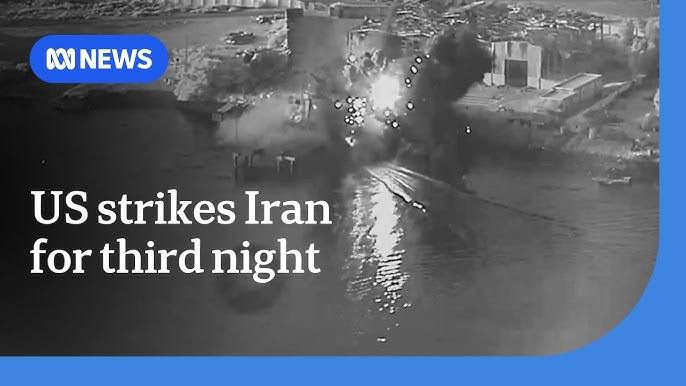
Tensions between the United States and Iran have entered another dangerous phase after reports of a major U.S. military operation targeting Iranian military assets. The reported five-hour mission has intensified fears that the confrontation could expand into a wider regional conflict involving the Persian Gulf, international shipping routes, and military forces stationed across the Middle East.
The operation reportedly focused on weakening Iran’s military capabilities, including systems linked to missiles, drones, coastal defenses, and other strategic assets. According to U.S. officials, the objective was to reduce threats against American forces and protect key maritime routes.
The latest escalation comes amid a broader crisis involving the Strait of Hormuz, one of the world’s most important energy shipping routes. Any disruption in this region has the potential to affect global oil markets, international trade, and diplomatic relations between major powers.
US Military Strikes Iranian Assets: What Happened During The 5-Hour Mission?
Reports indicate that U.S. forces carried out a coordinated military operation lasting approximately five hours. The mission was described as targeting Iranian military infrastructure rather than launching a ground invasion.
Modern military operations of this scale typically involve multiple branches working together, including:
- Air power
- Intelligence surveillance systems
- Naval support
- Precision-guided weapons
- Electronic warfare capabilities
The reported strikes were aimed at limiting Iran’s ability to launch further attacks and disrupting systems considered threats to U.S. forces and regional allies.
Military analysts say such operations are designed not only to destroy physical targets but also to send a strategic message. By striking key capabilities, the U.S. seeks to demonstrate military reach while attempting to prevent further escalation.
Why Did The United States Target Iranian Military Capabilities?
The confrontation between Washington and Tehran has been building over several issues, including:
1. Regional Military Tensions
The Middle East has remained a highly contested region, with American forces maintaining bases and naval presence while Iran continues developing missile, drone, and naval capabilities.
Both countries have accused each other of threatening regional stability. Recent attacks and counterattacks have increased concerns that a limited conflict could become a larger confrontation.
2. Strait of Hormuz Security Concerns
The Strait of Hormuz is a critical global energy route. A significant amount of international oil shipments passes through this narrow waterway, making security there a major concern for governments worldwide.
Any military activity near the strait can quickly affect:
- Oil prices
- Shipping costs
- Global energy markets
- International diplomacy
The U.S. has repeatedly emphasized the importance of keeping maritime routes open, while Iran has used its strategic position in the region as leverage during political disputes.
Iranian Assets Reportedly Targeted In The Operation
The reported mission focused on several categories of military infrastructure.
Missile Systems
Iran has developed a large missile program over decades. These systems are considered among Tehran’s most important strategic tools.
Targeting missile-related infrastructure can reduce the ability of a country to conduct long-range attacks and can limit future military responses.
Drone Capabilities
Drones have become a major feature of modern conflicts. Iran has invested heavily in unmanned aerial systems, which can be used for surveillance and attacks.
The U.S. has identified drone networks as a significant threat to American forces and regional partners.
Naval And Coastal Infrastructure
Because the Persian Gulf is strategically important, naval assets and coastal defense systems play a major role.
Destroying or weakening these systems could affect Iran’s ability to control nearby waters or threaten commercial shipping routes.
The Strategic Message Behind The US Operation
Beyond the immediate military objectives, the five-hour mission carries a broader geopolitical message.
The United States is attempting to show that it has the capability to respond rapidly to threats in the Middle East. Military analysts often describe such operations as a combination of direct action and deterrence.
The message to Iran is clear: attacks against U.S. forces, allies, or international shipping routes may trigger significant retaliation.
However, such actions also carry risks.
A military response can sometimes create a cycle of escalation where each side feels pressured to retaliate.
Iran’s Possible Response And Regional Risks
Iran has historically responded to military pressure through several methods:
- Missile attacks
- Drone operations
- Proxy groups
- Cyber activities
- Diplomatic pressure
Following U.S. strikes in the region, Iranian officials have often promised retaliation while accusing Washington of aggression. Previous confrontations have shown that Iran prefers using multiple forms of response rather than relying only on conventional warfare.
A major concern for international observers is whether Iran could target:
- U.S. military bases
- Energy infrastructure
- Commercial ships
- Regional allies
Such actions could widen the conflict beyond Iran and the United States.
Global Reaction After US Military Strikes On Iran
The latest U.S. military operation against Iranian targets has triggered international concern as governments evaluate the possibility of a broader regional conflict.
The United States has described the strikes as an effort to reduce Iran’s ability to threaten commercial shipping and regional security. U.S. Central Command said the five-hour mission targeted Iranian military facilities, including coastal defense systems, missile sites, drone locations, and maritime capabilities.
However, Iran and its allies have criticized the operation, calling it an escalation of hostilities. Iranian officials have warned that continued attacks could lead to further responses against U.S. interests and regional partners.
Countries across Europe, Asia, and the Middle East are closely monitoring the situation because any prolonged conflict could affect:
- Energy markets
- International shipping
- Regional stability
- Global security relationships
Diplomatic efforts are expected to increase as nations attempt to prevent the crisis from developing into a wider war.
Oil Prices Rise As Strait Of Hormuz Faces New Threats
One of the biggest global concerns from the U.S.-Iran confrontation is the impact on energy markets.
The Strait of Hormuz is one of the world’s most important oil transportation routes. Any disruption in this area can immediately create uncertainty in global energy supplies.
Following renewed military exchanges, oil prices moved higher as traders reacted to concerns about shipping security and possible supply disruptions.
A prolonged crisis could affect:
Global Fuel Prices
Countries that rely heavily on imported oil could experience increased costs.
Higher crude prices often lead to:
- More expensive gasoline
- Higher transportation costs
- Increased inflation pressure
Energy Security
Major economies may look for alternative energy sources if instability continues.
Governments often increase strategic oil reserves during periods of geopolitical uncertainty.
Shipping Costs
When maritime routes become dangerous, companies may:
- Reroute vessels
- Increase insurance coverage
- Delay shipments
These changes can raise the cost of international trade.
US Military Strategy: Pressure Without Full-Scale War?
The latest operation raises an important question: What is Washington’s long-term strategy?
Military analysts believe the United States may be attempting to achieve several goals:
1. Reduce Iran’s Military Capability
Strikes against missile, drone, and naval infrastructure are designed to weaken Iran’s ability to launch future attacks.
2. Protect Commercial Shipping
Washington has repeatedly emphasized freedom of navigation and the protection of international maritime routes.
The U.S. has linked its military actions to preventing attacks on commercial vessels in the region.
3. Increase Diplomatic Pressure
Military action can also be used as leverage during negotiations.
The goal may be to convince Iran that continued confrontation carries significant costs.
Iran’s Options After The American Offensive
Iran now faces several possible paths.
Option 1: Military Retaliation
Iran could respond through:
- Missile launches
- Drone attacks
- Naval operations
- Regional allies
Reports have indicated Iranian forces have carried out strikes against U.S. partners and targets in the region following recent escalation.
Option 2: Diplomatic Negotiations
Iran could choose negotiations to reduce pressure and avoid further damage.
Diplomatic talks could focus on:
- Maritime security
- Military restrictions
- Regional agreements
- Sanctions relief
Option 3: Proxy Conflict
Iran has historically maintained relationships with regional armed groups.
Instead of direct confrontation, Tehran could rely on allied groups to apply pressure.
Could The Conflict Expand Into A Larger Middle East War?
This remains one of the biggest concerns.
A larger conflict could involve:
- Gulf countries
- Regional militias
- International naval forces
- Energy infrastructure
Possible flashpoints include:
Gulf Military Bases
American forces operate from multiple locations in the Middle East.
Any attack on these facilities could trigger additional U.S. responses.
Commercial Shipping Routes
Further attacks on ships could create international pressure for stronger military action.
Nuclear Facilities
Iran’s nuclear program remains a sensitive issue. Any strike involving nuclear-related sites could dramatically increase tensions.
The Role Of Technology In Modern Warfare
The conflict highlights how modern military operations have changed.
Today’s battlefield relies heavily on:
Precision Weapons
Advanced missiles allow forces to strike specific targets while reducing unintended damage.
Drones
Unmanned systems have become essential tools for surveillance and attacks.
Intelligence Networks
Satellites, aircraft, and electronic systems help identify targets and coordinate operations.
The U.S. operation reportedly involved precision weapons against Iranian military systems.
What Happens Next Between The US And Iran?
The future of the crisis depends on several key developments.
Scenario 1: Limited Escalation
Both sides may continue military actions but avoid a direct full-scale war.
This could involve:
- Limited strikes
- Diplomatic pressure
- Increased military readiness
Scenario 2: Negotiated Settlement
International mediation could lead to discussions between Washington and Tehran.
A settlement could focus on:
- Maritime security
- Military activities
- Regional stability
Scenario 3: Wider Conflict
The most dangerous possibility is a major escalation involving multiple countries.
This could affect:
- Global oil supplies
- International trade
- Regional security
Frequently Asked Questions (FAQs)
1. Why did the US strike Iranian assets?
The United States said the strikes were aimed at reducing Iran’s ability to threaten commercial shipping and regional security. The operation targeted military infrastructure, including missile, drone, coastal defense, and maritime capabilities.
2. How long did the US military mission against Iran last?
According to U.S. Central Command, the reported mission lasted approximately five hours.
3. What Iranian targets were reportedly hit?
Reported targets included military facilities in locations such as Bushehr, Chah Bahar, Jask, Konarak, Abu Musa, and Bandar Abbas.
4. Could this conflict affect oil prices?
Yes. Any military disruption near the Strait of Hormuz can create uncertainty in global energy markets and potentially increase oil prices.
5. Is the US at war with Iran?
The situation involves active military operations, but the broader political and legal classification of the conflict depends on government decisions and international developments.
6. What is the Strait of Hormuz and why is it important?
The Strait of Hormuz is a major maritime route connecting the Persian Gulf with global markets. It is one of the most important pathways for international energy shipments.
7. Will Iran retaliate against the United States?
Iran has threatened responses after U.S. military actions, and reports indicate Iranian forces have targeted regional U.S. partners and interests.
Conclusion: A Dangerous New Chapter In US-Iran Relations
The reported five-hour U.S. military mission against Iranian assets marks another major escalation in one of the world’s most closely watched geopolitical conflicts.
The operation demonstrates America’s military capability and its determination to protect regional interests and maritime security. At the same time, the risk of further escalation remains high.
Iran’s response, international diplomacy, and developments around the Strait of Hormuz will determine whether the crisis moves toward negotiation or deeper confrontation.
For now, the world is watching as Washington and Tehran navigate one of their most serious military confrontations in recent years.
How useful was this post?
Click on a star to rate it!
Average rating 0 / 5. Vote count: 0
No votes so far! Be the first to rate this post.
About the Author

usa5911.com
Administrator
Hi, I’m Gurdeep Singh, a professional content writer from India with over 3 years of experience in the field. I specialize in covering U.S. politics, delivering timely and engaging content tailored specifically for an American audience. Along with my dedicated team, we track and report on all the latest political trends, news, and in-depth analysis shaping the United States today. Our goal is to provide clear, factual, and compelling content that keeps readers informed and engaged with the ever-changing political landscape.