BREAKING: Netanyahu Sends URGENT Message To Trump Ahead Of Turkey Meeting
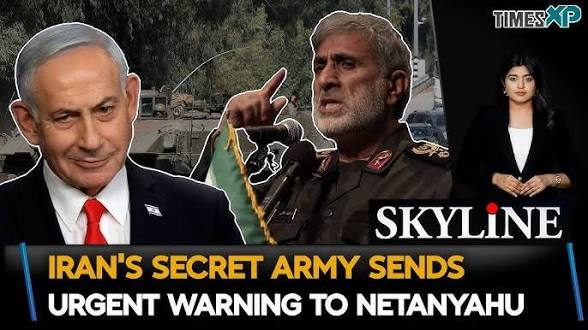
In a major geopolitical development, Israeli Prime Minister Benjamin Netanyahu has reportedly delivered an urgent message to U.S. President Donald Trump ahead of his expected meeting with Turkish President Recep Tayyip Erdoğan. The message comes at a time when the Middle East remains highly volatile, with ongoing security concerns involving Iran, Syria, Gaza, and NATO’s strategic role in the region.
According to multiple reports, Netanyahu urged Trump to carefully consider any discussions involving military cooperation with Turkey, particularly regarding the possible return of Ankara to the F-35 fighter jet program. Israel views any significant enhancement of Turkey’s military capabilities as a matter of national security.
The high-level communication has immediately attracted international attention because it highlights the complex relationship between three influential leaders whose decisions could shape the future security landscape of the Middle East.
As diplomatic efforts continue, analysts believe Netanyahu’s intervention demonstrates how seriously Israel views upcoming U.S.-Turkey discussions.
Why Netanyahu Sent an Urgent Message to Trump
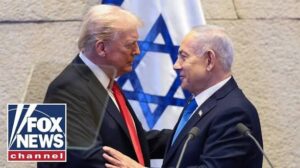
The timing of Netanyahu’s message is significant.
The Trump administration has been working to strengthen relationships with key NATO allies while simultaneously addressing growing instability across the Middle East. Turkey remains one of NATO’s most strategically important members because of its geographic location connecting Europe, Asia, and the Middle East.
However, Israel has expressed concerns over Turkey’s increasingly assertive regional policies and its relationship with groups that Israel considers hostile.
Reports indicate that Netanyahu specifically requested Trump to avoid approving the sale or transfer of advanced military technology, including the highly sophisticated F-35 stealth fighter aircraft, to Turkey.
Israeli officials reportedly fear that restoring Turkey’s access to advanced American defense systems could alter the regional military balance.
Although Washington values its alliance with Turkey, Israel remains one of America’s closest security partners. This creates a delicate diplomatic challenge for the White House.
The F-35 Issue Explained
One of the biggest concerns surrounding the upcoming Trump-Erdoğan meeting involves the F-35 Lightning II fighter jet program.
Turkey was originally a participant in the multinational F-35 project. However, its involvement was suspended after Ankara purchased the Russian-made S-400 missile defense system.
The United States argued that operating Russian air defense systems alongside the F-35 could compromise sensitive military technology.
Since then, Turkey has repeatedly sought to rejoin the program or acquire alternative advanced American fighter aircraft.
Netanyahu’s reported warning reflects Israel’s long-standing policy of maintaining its Qualitative Military Edge (QME), a principle supported by successive U.S. administrations to ensure Israel retains superior defensive capabilities in the region.
For Israel, any decision involving advanced military sales to neighboring countries receives close scrutiny.
Why Israel Is Concerned About Turkey
Although Israel and Turkey once maintained close diplomatic and military ties, relations have deteriorated considerably over the past decade.
Several issues have contributed to the growing tensions, including:
- Political disagreements over the Palestinian issue.
- Turkey’s criticism of Israeli military operations in Gaza.
- Competing regional interests in Syria.
- Diverging positions on Hamas.
- Strategic competition in the Eastern Mediterranean.
Despite occasional efforts to normalize relations, significant disagreements remain.
Israeli officials continue to monitor Turkish foreign policy closely, particularly regarding regional military activities and diplomatic partnerships.
These concerns explain why Netanyahu decided to personally communicate with Trump before the planned discussions.
Trump’s Diplomatic Balancing Act
President Donald Trump faces a complex diplomatic challenge.
On one hand, Turkey is a critical NATO ally with considerable influence over Black Sea security, migration routes, and regional military operations.
On the other hand, Israel remains one of Washington’s strongest strategic partners in the Middle East.
Maintaining productive relationships with both countries requires careful diplomacy.
Political analysts believe Trump will attempt to reassure Netanyahu regarding Israel’s security while simultaneously exploring ways to improve relations with Turkey.
This balancing act has become increasingly important as the United States seeks greater regional stability amid ongoing conflicts.
Turkey’s Strategic Importance
Turkey occupies one of the world’s most strategically valuable geographic positions.
Bordering Europe, the Middle East, and the Black Sea region, the country plays an essential role in NATO operations.
Turkey also controls access through the Bosporus Strait, making it a key player in international shipping and military logistics.
Additionally, Ankara has expanded its diplomatic influence through mediation efforts involving Russia, Ukraine, and several Middle Eastern conflicts.
Because of these factors, U.S. administrations have consistently viewed maintaining relations with Turkey as an important foreign policy objective.
Nevertheless, disagreements over defense cooperation continue to complicate the relationship.
Regional Security Remains the Primary Concern
Beyond the F-35 debate, Netanyahu’s message reportedly reflects broader security concerns.
Israel continues to monitor developments involving:
- Iran’s regional influence.
- Hezbollah activities in Lebanon.
- The ongoing conflict in Gaza.
- Military developments in Syria.
- Terrorism threats across the Middle East.
Israeli officials believe maintaining close coordination with Washington remains essential for addressing these challenges.
For this reason, any shift in U.S. defense policy toward Turkey receives careful evaluation by Israeli leadership.
Could the Trump-Erdoğan Meeting Change U.S.-Turkey Relations?
The upcoming meeting between Trump and Erdoğan could mark an important moment in bilateral relations.
Over recent years, Washington and Ankara have experienced disagreements over several issues, including:
- Defense procurement.
- Syria policy.
- NATO responsibilities.
- Human rights concerns.
- Economic sanctions.
Both governments have expressed interest in improving cooperation where possible.
If progress is achieved during the meeting, it could open the door for broader discussions involving defense partnerships, trade, and regional security coordination.
However, any movement regarding advanced military equipment is expected to remain highly sensitive due to concerns raised by Israel and other U.S. allies.
International Reactions
The reported message from Netanyahu has generated significant attention among diplomats and foreign policy experts.
Observers note that Israel’s decision to communicate directly with Trump before the Turkey meeting underscores the importance it places on preserving regional military stability.
At the same time, analysts caution that discussions surrounding defense cooperation often involve multiple layers of negotiations, congressional oversight, and national security assessments.
While speculation continues, no official announcement has confirmed any immediate changes to U.S. military policy toward Turkey.
Netanyahu’s reported communication with Trump extends beyond the issue of military hardware. It reflects Israel’s broader concern about maintaining regional stability during a period of heightened geopolitical uncertainty.
The Middle East is currently facing multiple security challenges. The ongoing conflict in Gaza, tensions involving Iran and its regional allies, instability in Syria, and the growing influence of non-state armed groups continue to shape the strategic environment. Against this backdrop, any significant shift in U.S. foreign policy toward Turkey is likely to be closely monitored by regional governments.
For Israel, preserving its strategic partnership with the United States remains a top priority. Israeli officials believe close coordination with Washington helps deter common security threats and strengthens regional deterrence. As a result, Netanyahu’s message is widely viewed as an effort to ensure Israel’s concerns remain central to any discussions between Trump and Erdoğan.
At the same time, Turkey argues that it is an essential NATO member and a key regional power. Turkish leaders have repeatedly stated that stronger defense cooperation with the United States would benefit the broader alliance and improve collective security.
These competing perspectives highlight the diplomatic complexity facing all parties involved.
How the Trump–Erdoğan Meeting Could Shape Future Relations
The anticipated meeting between President Trump and President Erdoğan has attracted international attention because it could influence the future of U.S.-Turkey relations.
Several important topics are expected to be discussed, including:
- NATO cooperation and defense commitments.
- Regional conflicts in the Middle East.
- Counterterrorism operations.
- Economic and trade partnerships.
- Defense procurement and military modernization.
While both leaders have expressed interest in improving bilateral relations, significant policy differences remain.
Analysts believe the meeting could help rebuild trust after years of disagreements. However, any progress on sensitive defense issues will likely require extensive consultations within the U.S. government and Congress.
Even if discussions are positive, observers caution against expecting immediate policy changes.
Israel’s Security Priorities Remain Unchanged
Israel has consistently emphasized the importance of maintaining its qualitative military edge in the region.
Successive U.S. administrations have supported this principle by carefully evaluating arms sales that could affect Israel’s security environment.
Netanyahu’s reported appeal to Trump aligns with this long-standing policy.
Israeli defense officials argue that maintaining advanced technological superiority serves as a deterrent against potential regional threats. Consequently, any proposal involving sophisticated fighter aircraft or advanced weapons systems receives detailed analysis from both Israeli and American security experts.
This position is unlikely to change regardless of broader diplomatic developments.
Turkey’s Perspective on Defense Cooperation
Turkey has maintained that it deserves equal treatment as a long-standing NATO ally.
Ankara argues that its strategic location makes it indispensable to the alliance. Turkish officials also contend that modernizing their air force is essential for addressing evolving security challenges across Europe, the Black Sea, and the Middle East.
From Turkey’s perspective, stronger defense cooperation with the United States would enhance NATO’s overall capabilities rather than undermine regional stability.
Turkish leaders have repeatedly expressed hope that future negotiations can resolve existing disputes and strengthen bilateral ties.
Whether those expectations are realized will depend on the outcome of ongoing diplomatic discussions.
Could the F-35 Debate Be Resolved?
The future of Turkey’s involvement in advanced U.S. defense programs remains uncertain.
Several possible scenarios could emerge:
1. No Policy Change
The United States may decide to maintain existing restrictions, leaving current defense policies unchanged.
2. Gradual Diplomatic Progress
Washington and Ankara could pursue confidence-building measures before considering broader defense cooperation.
3. Alternative Defense Agreements
Instead of revisiting the F-35 program, both countries may explore other forms of military collaboration that address mutual security interests without raising the same level of concern.
At this stage, no official decision has been announced, and discussions remain ongoing.
Expert Analysis
Foreign policy experts believe Netanyahu’s reported message reflects a broader pattern of proactive diplomacy rather than an immediate diplomatic crisis.
According to analysts, Israel frequently communicates its security concerns directly to U.S. administrations before major international meetings involving regional powers.
Similarly, the United States routinely consults its allies before making significant defense policy decisions.
Experts also note that arms sales, defense partnerships, and military cooperation typically involve lengthy review processes. As a result, any major policy shift would likely require extensive strategic, legal, and congressional consideration.
For now, Netanyahu’s intervention appears intended to ensure Israel’s security priorities remain part of the broader diplomatic conversation.
What Happens Next?
The outcome of the Trump–Erdoğan meeting will be closely watched by governments across the Middle East, Europe, and NATO.
Several key questions remain unanswered:
- Will the United States reconsider aspects of its defense relationship with Turkey?
- How will Israel respond if military cooperation between Washington and Ankara expands?
- Can all three countries strengthen cooperation while addressing their respective security concerns?
Although speculation continues, officials have not announced any final decisions regarding advanced military equipment or changes to existing defense policies.
Diplomatic engagement is expected to continue in the coming weeks as all parties assess their strategic priorities.
Conclusion
The reported urgent message from Israeli Prime Minister Benjamin Netanyahu to U.S. President Donald Trump ahead of the Turkey meeting highlights the delicate balance of diplomacy in the Middle East.
With discussions expected to cover defense cooperation, regional security, NATO priorities, and broader geopolitical challenges, every decision could have far-reaching consequences.
Israel remains focused on protecting its long-standing security interests, while Turkey continues to seek stronger defense ties with the United States. Meanwhile, the Trump administration faces the challenge of maintaining strong relationships with both allies without upsetting the regional balance.
As diplomatic talks progress, the international community will closely monitor developments for any indication of changes in U.S. foreign policy or defense cooperation.
Regardless of the outcome, Netanyahu’s urgent message underscores the importance of strategic dialogue and careful decision-making in one of the world’s most sensitive geopolitical regions.
Frequently Asked Questions (FAQs)
1. Why did Netanyahu send an urgent message to Trump?
Reports indicate that Netanyahu urged President Trump to carefully consider any discussions with Turkey involving advanced U.S. military equipment, particularly the F-35 fighter program.
2. What is the main issue between Israel and Turkey?
The two countries have differences over regional policies, the Palestinian issue, security concerns, and defense cooperation, although they continue to maintain diplomatic relations.
3. Why is the F-35 program important?
The F-35 is one of the world’s most advanced stealth fighter aircraft. Access to the program has significant military and strategic implications for participating countries.
4. Why was Turkey removed from the F-35 program?
Turkey was removed after acquiring the Russian-made S-400 air defense system, with the United States citing concerns about protecting sensitive military technology.
5. Is Trump expected to meet Erdoğan?
Reports indicate that President Trump is expected to hold discussions with Turkish President Recep Tayyip Erdoğan on regional security and bilateral relations.
6. Does Netanyahu oppose all U.S.-Turkey cooperation?
No. Reports suggest Israel’s concerns focus primarily on issues that could affect regional military balance and Israel’s security.
7. Has the United States announced any new defense agreement with Turkey?
As of now, no official announcement has confirmed a major change in U.S. defense policy toward Turkey.
8. Why is Turkey strategically important?
Turkey’s location connects Europe, Asia, and the Middle East, making it a key NATO member and an important player in regional security.
9. Could the Trump–Erdoğan meeting improve relations?
Yes. Diplomatic observers believe the meeting could help strengthen bilateral ties, although significant policy differences remain.
10. What should people watch after the meeting?
Observers will monitor any official statements regarding defense cooperation, regional security, NATO commitments, and future U.S.-Turkey relations.
How useful was this post?
Click on a star to rate it!
Average rating 0 / 5. Vote count: 0
No votes so far! Be the first to rate this post.
About the Author

usa5911.com
Administrator
Hi, I’m Gurdeep Singh, a professional content writer from India with over 3 years of experience in the field. I specialize in covering U.S. politics, delivering timely and engaging content tailored specifically for an American audience. Along with my dedicated team, we track and report on all the latest political trends, news, and in-depth analysis shaping the United States today. Our goal is to provide clear, factual, and compelling content that keeps readers informed and engaged with the ever-changing political landscape.