CRISIS ALERT: Jonathan Turley Sounds The Alarm
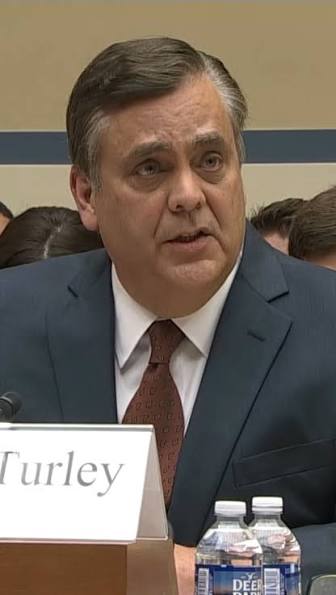
The United States is facing what constitutional law scholar Jonathan Turley describes as a defining moment for the nation’s civic culture and democratic institutions. Rather than warning of a single constitutional collapse, Turley argues that America is experiencing a broader “crisis of faith”—one marked by declining trust in institutions, growing political polarization, and increasing hostility toward opposing viewpoints.
As public debate becomes more divisive and confidence in government institutions continues to weaken, Turley’s latest remarks have sparked renewed discussion about the future of American democracy. His comments come amid heightened political tensions, legal battles, and growing public concern over the health of constitutional governance.
Jonathan Turley Warns of a Growing National Crisis
Jonathan Turley, a constitutional law professor at George Washington University and longtime legal analyst, has repeatedly emphasized that America’s greatest challenge may not be a single political controversy but rather the erosion of civic trust.
Speaking recently about his new book, Turley described the current period as a “crisis of faith,” suggesting that many Americans have lost confidence in institutions that once formed the foundation of public life. These include Congress, the judiciary, universities, the media, and even the electoral process.
According to Turley, political disagreements are increasingly viewed through the lens of moral absolutes rather than constitutional principles. He argues that this trend makes compromise more difficult and fuels greater polarization across the country.
Why Turley Believes the Stakes Are So High
Turley has consistently argued that constitutional systems depend not only on written laws but also on public confidence in democratic institutions.
His warning centers on several key concerns:
- Declining public trust in government institutions.
- Increased political polarization.
- Growing acceptance of extreme rhetoric.
- Pressure on constitutional norms.
- Reduced willingness to engage in civil debate.
While these issues have developed over many years, Turley believes they are becoming increasingly interconnected, creating long-term risks for democratic governance.
Historical Lessons Shape His Perspective
One of the major themes of Turley’s recent work is the importance of history.
Drawing on the experiences of both the American and French Revolutions, he argues that societies often underestimate the long-term consequences of political extremism.
Turley notes that history repeatedly demonstrates how revolutionary movements can eventually consume many of their own supporters. He points to historical examples showing that political instability frequently grows when institutions lose legitimacy in the eyes of the public.
Rather than predicting an imminent constitutional collapse, Turley uses these historical comparisons to encourage greater respect for constitutional safeguards and democratic institutions.
Constitutional Principles Remain Central
Despite his concerns, Turley does not argue that the Constitution itself has failed.
Instead, he maintains that the American constitutional system was specifically designed to withstand periods of political conflict.
Its framework of checks and balances, separation of powers, and judicial review continues to provide important safeguards, even during highly polarized periods.
However, Turley argues that constitutional protections alone cannot preserve democracy if citizens lose faith in the institutions responsible for enforcing those principles.
The Role of Public Institutions
Turley’s analysis extends beyond elected officials.
He has argued that universities, news organizations, courts, and civic organizations all play significant roles in maintaining public confidence.
According to his perspective, institutions must demonstrate fairness, transparency, and accountability to preserve credibility.
When large portions of the public perceive these institutions as politically biased, trust begins to deteriorate regardless of whether those perceptions are accurate.
Political Polarization Continues to Intensify
Recent national debates have highlighted deep divisions across numerous issues, including:
- Constitutional interpretation
- Election administration
- Immigration policy
- Executive authority
- Supreme Court decisions
- Freedom of speech
- Federal versus state authority
Turley argues that these disagreements become especially dangerous when political opponents are viewed as enemies rather than fellow citizens participating in constitutional debate.
Debate Over Civic Culture
One recurring theme in Turley’s commentary is civic culture.
He argues that constitutional government ultimately depends upon citizens who are willing to respect legal outcomes even when they disagree with them.
Political victories and defeats are inevitable within democratic systems, but preserving institutional legitimacy requires acceptance of lawful processes.
Without that shared commitment, public confidence may continue to weaken over time.
Critics Offer Different Perspectives
Not everyone agrees with Turley’s assessment.
Some legal scholars argue that American institutions have survived numerous historical crises—including civil war, economic depression, and periods of intense political conflict—and therefore remain resilient.
Others contend that current political disagreements, while serious, fall within the normal functioning of democratic politics.
Still, Turley’s warning has attracted considerable attention because it focuses less on immediate political outcomes and more on long-term institutional health.
While Jonathan Turley has voiced concern about declining confidence in American institutions, he has also emphasized that solutions lie within the country’s constitutional framework. Rather than advocating sweeping structural changes, he argues that restoring trust requires renewed commitment to constitutional principles, transparency, and open public debate.
Several themes emerge from Turley’s recent commentary:
- Respect for constitutional checks and balances.
- Greater institutional accountability.
- Protection of free speech and open dialogue.
- Civil engagement across political differences.
- Consistent application of the rule of law.
According to Turley, these principles have historically helped the United States navigate periods of political turbulence and remain essential for addressing today’s divisions.
The Importance of Civil Discourse
One of Turley’s recurring messages is that democratic societies depend on citizens’ willingness to engage respectfully with opposing viewpoints.
He argues that public debate has increasingly shifted away from persuasion and toward personal attacks, making compromise more difficult. In his view, disagreement is a normal part of democracy, but treating political opponents as enemies rather than fellow citizens weakens the civic culture that supports constitutional government.
Turley has suggested that universities, media organizations, elected officials, and civic leaders all share responsibility for encouraging thoughtful, fact-based discussion rather than deepening polarization.
Why Constitutional Norms Matter
Although written laws form the backbone of the American constitutional system, Turley contends that unwritten democratic norms are equally important.
These include:
- Respecting judicial decisions even when controversial.
- Accepting lawful election outcomes.
- Protecting the independence of the courts.
- Preserving the separation of powers.
- Encouraging peaceful political participation.
He argues that these traditions help ensure that disagreements are resolved through institutions rather than political confrontation.
Public Reaction to Turley’s Warning
Turley’s comments have generated debate across the political spectrum.
Supporters argue that his warning serves as an important reminder that democracy depends on public confidence as much as constitutional text. They believe concerns about declining institutional trust deserve serious attention regardless of political affiliation.
Critics, however, contend that the United States has endured numerous periods of intense division throughout its history—including the Civil War, the Great Depression, and the civil rights era—and that current political conflicts do not necessarily indicate a constitutional crisis.
This range of responses reflects the broader national conversation over the health of American democracy and the resilience of its institutions.
Looking Ahead
Whether one agrees with Jonathan Turley’s analysis or not, his central message focuses on preserving constitutional governance through civic responsibility rather than predicting imminent institutional collapse.
As the country approaches another election cycle, debates surrounding executive authority, congressional oversight, judicial independence, and freedom of expression are expected to remain central to American politics.
Many observers believe these discussions will continue shaping public trust in institutions for years to come.
Why This Story Matters
The significance of Turley’s warning extends beyond legal scholarship.
Confidence in democratic institutions influences:
- Voter participation.
- Public acceptance of election results.
- Trust in judicial decisions.
- Legislative effectiveness.
- Social stability.
- Civic engagement.
Political scientists have long argued that democracies function best when citizens maintain confidence in constitutional processes, even amid strong disagreements over policy.
Turley’s remarks contribute to this broader discussion by emphasizing that institutional trust cannot be taken for granted.
Key Takeaways
Several important themes emerge from Turley’s recent comments:
- America faces growing political polarization.
- Public trust in institutions has declined in recent years.
- Constitutional safeguards remain strong but rely on public confidence.
- Civil discourse plays a critical role in democratic governance.
- Long-term institutional credibility requires transparency and accountability.
Rather than forecasting the failure of the Constitution, Turley argues that preserving democratic institutions depends on citizens and leaders remaining committed to constitutional principles.
Conclusion
Jonathan Turley’s latest warning is less about predicting an immediate constitutional breakdown than about highlighting deeper challenges facing American civic life. His emphasis on rebuilding trust, protecting constitutional norms, and encouraging respectful public debate reflects concerns shared by many scholars across the political spectrum.
Whether readers agree with his conclusions or not, the discussion underscores an enduring reality: democratic institutions rely not only on laws and courts but also on public confidence and civic participation.
As political divisions continue to shape national debate, Turley’s message serves as a reminder that constitutional governance requires both legal safeguards and a shared commitment to democratic values.
Frequently Asked Questions (FAQs)
1. Who is Jonathan Turley?
Jonathan Turley is a constitutional law professor at George Washington University, legal commentator, and author known for his analysis of constitutional law and civil liberties.
2. What is Jonathan Turley warning about?
Turley has expressed concern over declining public trust in institutions, increasing political polarization, and the erosion of civic culture. He describes these trends as a “crisis of faith” rather than an imminent constitutional collapse.
3. Does Turley believe the U.S. Constitution is failing?
No. Turley has said that the Constitution was designed to withstand periods of political conflict. His concern focuses on declining confidence in the institutions responsible for upholding constitutional principles.
4. Why are Turley’s comments receiving attention?
His remarks come during a period of heightened political polarization, ongoing legal disputes, and debates over democratic institutions, making his analysis part of a broader national conversation.
5. What solutions does Turley suggest?
He advocates strengthening constitutional norms through accountability, transparency, respect for the rule of law, protection of free speech, and renewed civic engagement.
How useful was this post?
Click on a star to rate it!
Average rating 0 / 5. Vote count: 0
No votes so far! Be the first to rate this post.
About the Author

usa5911.com
Administrator
Hi, I’m Gurdeep Singh, a professional content writer from India with over 3 years of experience in the field. I specialize in covering U.S. politics, delivering timely and engaging content tailored specifically for an American audience. Along with my dedicated team, we track and report on all the latest political trends, news, and in-depth analysis shaping the United States today. Our goal is to provide clear, factual, and compelling content that keeps readers informed and engaged with the ever-changing political landscape.