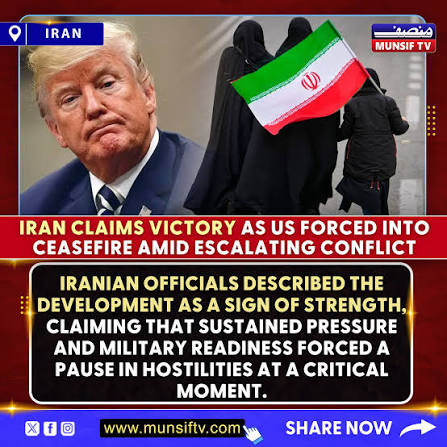
A landmark agreement between the United States and Iran has triggered celebrations in Tehran, where senior officials have described the development as a historic diplomatic success. Iran’s top negotiator publicly raised what he called the “flag of victory,” presenting the agreement as proof that the country achieved many of its core objectives through negotiations rather than continued conflict. At the same time, the Trump administration has also portrayed the agreement as a significant American success, highlighting the complex political messaging surrounding the deal. Recent reporting shows that leaders in both countries are presenting the agreement as a victory to domestic audiences.
Iran Celebrates Diplomatic Achievement
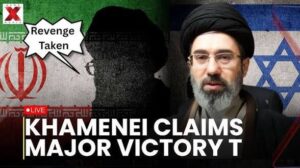
Iranian officials wasted little time celebrating the memorandum of understanding signed with the United States. Speaking after the agreement, senior negotiators praised what they described as the resilience of the Iranian people and the country’s negotiating team.
The symbolic raising of the “flag of victory” quickly became one of the defining images associated with the announcement. According to Iranian leaders, the agreement demonstrates that sustained resistance and diplomacy enabled Tehran to secure important concessions without abandoning its national interests. Iranian state-backed messaging repeatedly described the outcome as evidence that the United States had been forced to accept terms favorable to Iran.
What Is the Historic US-Iran Agreement?
The agreement is designed to end months of hostilities while creating a framework for broader negotiations over the next 60 days. Rather than serving as a comprehensive peace treaty, it establishes an initial roadmap that both governments hope can reduce tensions and prevent renewed military conflict.
Key elements reported so far include:
- A ceasefire framework intended to halt direct hostilities.
- The reopening of shipping through the Strait of Hormuz.
- The easing of certain U.S. economic restrictions during negotiations.
- International monitoring of agreed nuclear-related commitments.
- Continued negotiations toward a comprehensive long-term agreement.
Although many operational details remain under discussion, the agreement represents the most significant diplomatic breakthrough between Washington and Tehran in years.
Why Iran Calls It a Victory
Iranian leaders argue that the agreement reflects several long-standing national priorities.
Recognition of Key Positions
Officials say the negotiations preserved Iran’s right to maintain civilian nuclear activities while postponing unresolved issues for future discussions. Iranian representatives have repeatedly stated that they entered negotiations from a position of strength rather than weakness.
Economic Relief
Another major reason Tehran celebrates the agreement is the expected easing of economic pressure. Reports indicate that sanctions relief and access to frozen assets form part of the broader negotiating framework, although implementation depends on future talks.
Avoiding Further Conflict
The agreement also reduces the immediate risk of renewed military escalation. After months of regional instability, avoiding another round of fighting represents an important achievement for both governments.
Trump Administration Also Declares Success
While Iranian officials speak of victory, the White House has offered a very different interpretation.
President Donald Trump and senior administration officials argue that the agreement advances American security interests by reducing the likelihood of war while creating mechanisms to verify Iranian commitments. Vice President JD Vance described the memorandum as a win for the United States regardless of whether negotiations ultimately produce a final settlement, emphasizing that future economic benefits remain linked to Iranian compliance.
This contrasting messaging illustrates how both governments are attempting to demonstrate strength to their domestic audiences despite agreeing to the same framework.
Global Markets Respond Positively
Financial markets reacted quickly after news of the agreement emerged.
Energy analysts focused particularly on the reopening of the Strait of Hormuz, one of the world’s most important shipping routes for oil exports. Expectations that commercial shipping would resume more normally helped ease concerns about prolonged disruptions to global energy supplies. Reuters reported that optimism surrounding renewed maritime traffic contributed to lower oil prices following the announcement.
Beyond energy markets, investors viewed the diplomatic breakthrough as a potential step toward greater regional stability, although many cautioned that implementation remains uncertain.
About the Author