Karmelo Anthony Case: Victim Targeted With Shocking Insults After Sentencing
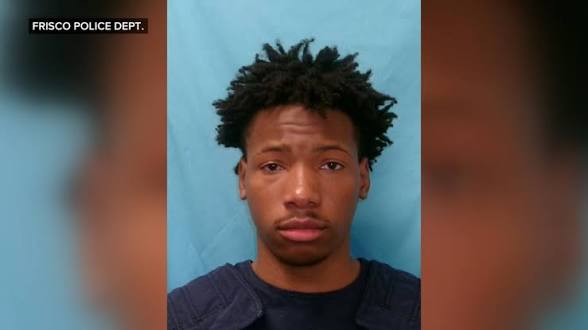
The Karmelo Anthony case has once again captured national attention following the sentencing phase of one of the most closely watched criminal trials in Texas. After a jury found 19-year-old Karmelo Anthony guilty of murder in the fatal stabbing of 17-year-old Austin Metcalf during a high school track meet, Anthony was sentenced to 35 years in prison. The verdict marked the end of a legal battle that generated widespread public interest, heated political commentary, and intense discussions across social media platforms.
However, the controversy did not end when the sentence was handed down. In the days following the verdict, reports emerged that online discussions surrounding the case had become increasingly hostile. While many expressed sympathy for Austin Metcalf and his family, others engaged in inflammatory rhetoric, including insulting comments directed toward the victim and his loved ones. The reaction has renewed concerns about the role of social media in high-profile criminal cases and how online polarization can deepen the pain experienced by victims’ families.
This article examines the sentencing, the emotional courtroom moments, the online backlash, and the broader implications of the Karmelo Anthony case.
What Happened in the Karmelo Anthony Case?

The case stems from a fatal confrontation that occurred during a high school track meet in Frisco, Texas, in April 2025. According to testimony presented during trial, a dispute arose when Anthony sought shelter under a tent used by another school’s athletes during rainy weather. Witnesses testified that tensions escalated, leading to a confrontation between Anthony and Austin Metcalf.
Prosecutors argued that Anthony intentionally stabbed Metcalf during the dispute. Defense attorneys maintained that Anthony acted in self-defense, claiming he feared for his safety during the altercation. The jury ultimately rejected the self-defense argument and found Anthony guilty of murder.
The verdict followed days of testimony, witness statements, and legal arguments that attracted national media coverage.
Jury Convicts Anthony of Murder
The jury deliberated before returning a guilty verdict, concluding that Anthony knowingly caused Metcalf’s death. Jurors also had the option of convicting him on a lesser manslaughter charge but instead chose the more serious murder conviction.
The decision represented a major victory for prosecutors, who argued throughout the trial that the stabbing was unjustified and preventable. The defense had sought to portray Anthony as a frightened teenager reacting under pressure, but jurors were ultimately unconvinced.
Following the guilty verdict, the case moved into the punishment phase, where both sides presented arguments regarding sentencing.
Emotional Sentencing Hearing
One of the most emotional moments came during victim impact statements delivered by members of Austin Metcalf’s family. His relatives described the devastating effect his death had on their lives and spoke about the lasting grief they continue to experience.
Austin’s twin brother, Hunter Metcalf, delivered a particularly powerful statement. He described the profound loss he has experienced since his brother’s death and addressed Anthony directly in court. His remarks quickly spread across news reports and social media discussions.
Austin’s parents also spoke emotionally about losing their son, describing how the tragedy permanently changed their family. Their testimony highlighted the human cost behind the headlines and courtroom proceedings.
Meanwhile, Anthony’s mother pleaded for mercy, telling jurors that her son regretted what happened and asking the court to consider his future.
The 35-Year Sentence
After hearing testimony and statements from both sides, jurors sentenced Anthony to 35 years in prison. The punishment fell well below a potential life sentence but represented a substantial prison term for the teenager.
Legal experts noted that the sentence reflected the jury’s determination that the crime was serious while also considering Anthony’s age at the time of the offense.
Following sentencing, Anthony was taken into custody and later placed in isolation while awaiting transfer within the Texas prison system. Officials have not publicly disclosed specific reasons for that housing decision.
Social Media Reaction Explodes
Almost immediately after the verdict, social media platforms were flooded with reactions.
Many users expressed support for the Metcalf family and viewed the sentence as a measure of justice. Others argued the punishment was excessive or questioned aspects of the trial. The case became a lightning rod for debates involving self-defense laws, race, criminal justice, and media coverage.
Reddit discussions and other online forums reflected the divide. While a large number of commenters believed the guilty verdict was justified, others continued to argue over legal and social issues connected to the case.
As emotions intensified, some discussions reportedly crossed the line into personal attacks and insults.
Reports of Insults Directed at the Victim
One of the most troubling developments after sentencing involved hostile online commentary directed toward Austin Metcalf and his family.
Although the majority of public reactions remained respectful, some social media posts reportedly included insulting language, inflammatory accusations, and attacks aimed at the victim’s memory. Such comments sparked outrage among many observers who argued that victims and grieving families should not become targets of abuse. Public moderators in online communities repeatedly warned users against harassment and inflammatory behavior as discussions became increasingly heated.
The emergence of these comments reignited debate about the responsibilities of social media users during high-profile criminal cases.
Why High-Profile Cases Become So Polarizing
The Karmelo Anthony case illustrates a broader trend in modern media culture.
Criminal trials are no longer confined to courtrooms. Instead, they unfold simultaneously on television, news websites, YouTube channels, Reddit forums, Facebook pages, and countless other platforms.
As a result, legal proceedings often become public battlegrounds where competing narratives emerge long before verdicts are reached.
Several factors contributed to the intense polarization surrounding this case:
1. National Media Coverage
Major news organizations across the country followed developments from jury selection through sentencing. Extensive coverage ensured that millions of people became familiar with the case.
2. Race and Identity Debates
Public discussions frequently focused on racial dynamics connected to the case. Media outlets noted that these issues contributed to widespread attention and debate.
3. Self-Defense Arguments
The defense’s self-defense claim generated significant disagreement among observers. Some believed Anthony acted out of fear, while others accepted prosecutors’ argument that the stabbing was unjustified.
4. Social Media Amplification
Platforms reward emotional and controversial content, often increasing visibility for extreme viewpoints rather than balanced discussion.
Impact on Victims’ Families
Experts frequently warn that online hostility can intensify the trauma experienced by victims’ families.
When criminal cases become national stories, grieving relatives often find themselves subjected to public scrutiny, criticism, and harassment from strangers. Even well-intentioned debates can become painful when they involve speculation about victims or their loved ones.
In the Karmelo Anthony case, emotional courtroom testimony revealed the ongoing suffering experienced by Austin Metcalf’s family. The emergence of insulting comments online only highlighted concerns about how public discourse can affect those already coping with profound loss.
What Happens Next?
With sentencing complete, Anthony is expected to continue serving his prison term within the Texas correctional system. Depending on state laws and future legal proceedings, appeals could potentially be filed, although no outcome is guaranteed.
For the Metcalf family, the legal chapter may be over, but the emotional consequences remain.
The case will likely continue to be discussed in legal circles, media outlets, and online communities as observers reflect on the verdict, sentencing, and broader societal issues it raised.
Lessons From the Karmelo Anthony Case
The Karmelo Anthony case serves as a reminder of how quickly tragedy can escalate into national controversy.
It also demonstrates how social media can amplify emotions, spread misinformation, and sometimes encourage hostility toward both defendants and victims.
Regardless of personal opinions about the verdict, many observers agree on one point: respectful discussion is essential when real families are dealing with life-changing loss.
As the public continues to debate the case, the story remains a powerful example of how criminal justice, media attention, and online culture intersect in today’s digital age.
Conclusion
The sentencing of Karmelo Anthony to 35 years in prison brought a significant legal milestone in the death of Austin Metcalf. Yet the aftermath has shown that public controversy often continues long after a courtroom decision is reached. Reports of insulting comments directed at the victim have generated fresh criticism and highlighted the darker side of online discourse.
As the nation reflects on the case, attention is increasingly turning toward broader questions about accountability, compassion, and the role of social media in shaping public perceptions of justice. While opinions remain divided on many aspects of the trial, the tragedy at the center of the story continues to affect everyone involved.
FAQs
Who is Karmelo Anthony?
Karmelo Anthony is a Texas teenager who was convicted of murdering Austin Metcalf during a high school track meet incident in 2025 and was sentenced to 35 years in prison in 2026.
Who was Austin Metcalf?
Austin Metcalf was a 17-year-old high school student who died after being stabbed during a confrontation at a track meet in Frisco, Texas.
What sentence did Karmelo Anthony receive?
A Texas jury sentenced Anthony to 35 years in prison after finding him guilty of murder.
Did Anthony claim self-defense?
Yes. His defense team argued that he acted in self-defense, but the jury rejected that claim and returned a murder conviction.
Why has the case received so much attention?
The case attracted national interest because of the circumstances of the crime, the legal arguments presented during trial, extensive media coverage, and debates that emerged online regarding justice and race.
What concerns have emerged after sentencing?
Observers have raised concerns about hostile online commentary, including reports of insulting remarks directed at the victim and his family, as well as the broader impact of social media polarization.
How useful was this post?
Click on a star to rate it!
Average rating 0 / 5. Vote count: 0
No votes so far! Be the first to rate this post.
About the Author

usa5911.com
Administrator
Hi, I’m Gurdeep Singh, a professional content writer from India with over 3 years of experience in the field. I specialize in covering U.S. politics, delivering timely and engaging content tailored specifically for an American audience. Along with my dedicated team, we track and report on all the latest political trends, news, and in-depth analysis shaping the United States today. Our goal is to provide clear, factual, and compelling content that keeps readers informed and engaged with the ever-changing political landscape.