Israel Hammers Hezbollah Targets: Top Iran Official Casts Doubt On U.S. Deal
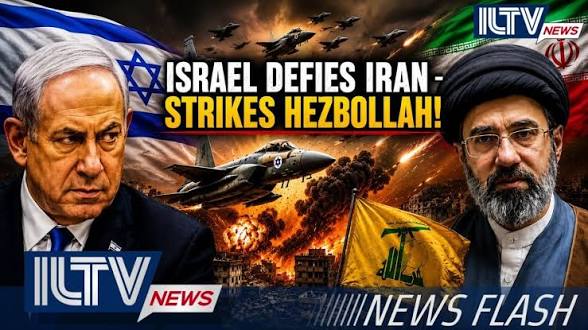
The Middle East remains on edge as Israel continues its military campaign against Hezbollah positions in Lebanon, while a senior Iranian official has raised serious doubts about the prospects of a diplomatic agreement with the United States. The latest developments have increased concerns that ongoing violence could derail fragile negotiations and trigger a broader regional crisis. Recent reports indicate that Israeli forces have intensified strikes against Hezbollah-linked targets, prompting sharp reactions from Tehran and raising questions about whether diplomacy can survive amid escalating conflict.
As tensions rise, world leaders are watching closely. The conflict has implications not only for Israel, Lebanon, and Iran but also for U.S. foreign policy, global energy markets, and regional stability. The latest military actions come at a time when Washington has been attempting to broker understandings aimed at reducing hostilities and opening the door to wider negotiations with Tehran.
Israel Expands Operations Against Hezbollah
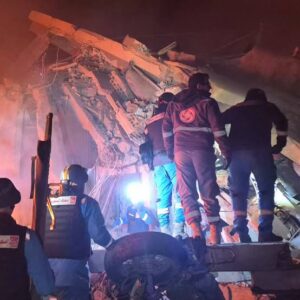
Israeli military operations against Hezbollah have intensified in recent weeks. According to multiple reports, Israel has conducted strikes targeting Hezbollah infrastructure, weapons facilities, and operational positions across parts of Lebanon. Israeli officials argue that the operations are necessary to protect northern Israeli communities from rocket attacks and cross-border threats.
The strikes have been particularly significant because they occurred despite ongoing diplomatic efforts involving the United States. Washington has reportedly urged restraint in order to preserve opportunities for broader regional negotiations. However, Israeli leaders maintain that security concerns must remain the top priority.
Military analysts note that Israel’s strategy appears focused on weakening Hezbollah’s military capabilities while signaling determination to respond to any perceived threat. This approach has drawn support from some Israeli political figures but criticism from others who fear the consequences of further escalation.
Hezbollah Remains Central To Regional Tensions
Hezbollah continues to play a critical role in the evolving crisis. The Iran-backed group remains one of the most powerful non-state military organizations in the Middle East. Since the latest conflict began, Hezbollah has maintained a confrontational stance toward Israel while rejecting certain ceasefire proposals.
The group’s leadership argues that any lasting agreement must address broader regional concerns, including Israeli military actions and territorial disputes. Hezbollah has also insisted that it cannot be excluded from negotiations affecting Lebanon’s future security arrangements.
Observers warn that continued clashes between Israel and Hezbollah could rapidly escalate into a larger conflict involving additional regional actors.
Top Iranian Official Questions U.S. Deal
One of the most significant developments came when senior Iranian figures expressed skepticism about ongoing discussions with Washington. Iranian officials have suggested that continued Israeli military operations undermine trust and make meaningful progress toward a broader agreement increasingly difficult.
Tehran has repeatedly emphasized that regional stability cannot be achieved while military actions continue against Hezbollah and other Iranian allies. Iranian leaders argue that diplomacy requires confidence-building measures and mutual commitments rather than continued escalation.
Statements from Iranian officials have fueled speculation that negotiations could stall or even collapse if tensions continue to rise. Some Iranian representatives have described talks as being at a critical stage, warning that the current trajectory threatens progress already achieved.
Why The U.S.-Iran Deal Matters
The potential agreement between the United States and Iran is viewed as a crucial component of broader efforts to stabilize the region. Although details remain under discussion, negotiations have reportedly focused on reducing military tensions, addressing economic sanctions, and creating conditions for improved regional security.
Supporters of diplomacy argue that a successful agreement could:
Reduce the risk of direct military confrontation.
Improve maritime security in critical waterways.
Lower pressure on global energy markets.
Create opportunities for future diplomatic engagement.
Encourage regional de-escalation efforts.
However, critics remain skeptical, arguing that significant differences persist between Washington and Tehran regarding security guarantees, sanctions relief, and regional influence.
Growing U.S.-Israel Differences
The latest crisis has highlighted emerging differences between the United States and Israel regarding how to handle Iran and its regional allies. Reports suggest that American officials have prioritized diplomatic engagement while Israeli leaders continue to emphasize military deterrence and security operations.
This divergence does not necessarily indicate a breakdown in the longstanding U.S.-Israel partnership. Nevertheless, it reflects differing assessments about how best to achieve long-term regional stability.
Recent reports indicate that President Donald Trump has encouraged restraint and expressed interest in preserving negotiation channels with Iran. At the same time, Israeli Prime Minister Benjamin Netanyahu has defended military operations against perceived threats.
The situation has prompted analysts to closely examine whether strategic priorities between Washington and Jerusalem are beginning to diverge.
Impact On Lebanon
Lebanon finds itself caught in the middle of the escalating confrontation. The country continues to face significant economic and political challenges, and renewed military activity threatens to worsen an already difficult situation.
Airstrikes and cross-border exchanges have generated concerns about civilian safety, infrastructure damage, and humanitarian needs. Lebanese officials have called for international efforts to prevent further escalation and protect civilian populations.
The ongoing conflict also complicates efforts by Lebanon’s government to strengthen state institutions and maintain internal stability.
Risks Of A Wider Regional Conflict
Security experts warn that the current situation carries substantial risks. A prolonged confrontation between Israel and Hezbollah could draw additional actors into the conflict, increasing instability across the Middle East.
Potential risks include:
Expanded Military Engagement
Additional strikes and retaliatory actions could lead to broader military confrontations involving multiple countries.
Disruption Of Energy Markets
Regional instability often affects energy transportation routes and investor confidence. Concerns surrounding maritime security have already contributed to market uncertainty.
Diplomatic Breakdown
If negotiations collapse, opportunities for de-escalation could become significantly more limited.
Humanitarian Challenges
Civilian populations in affected areas could face increasing hardship if violence continues.
International Reactions
Governments and international organizations have expressed concern about the possibility of further escalation. Many have urged all parties to exercise restraint and prioritize diplomacy.
Several countries support efforts aimed at achieving a ceasefire and encouraging dialogue between regional rivals. Diplomatic initiatives remain active despite setbacks and growing skepticism.
International observers believe that maintaining communication channels is essential for preventing misunderstandings that could trigger wider conflict.
Can Diplomacy Still Succeed?
Despite the challenges, many analysts believe diplomacy remains possible. History shows that negotiations often continue even during periods of heightened military tension.
However, success will likely require:
Greater confidence-building measures.
Reduced military escalation.
Clear commitments from all parties.
International support for diplomatic initiatives.
Willingness to compromise on key issues.
Whether these conditions can be achieved remains uncertain.
What Happens Next?
The coming weeks could prove decisive. If military operations continue and rhetoric intensifies, negotiations may face increasing obstacles. On the other hand, renewed diplomatic engagement could create opportunities for reducing tensions and preventing a broader crisis.
Much will depend on decisions made by leaders in Washington, Jerusalem, Tehran, and Beirut. The balance between military action and diplomacy remains delicate, and developments on the ground could quickly alter the strategic landscape.
Conclusion
Israel’s intensified strikes against Hezbollah targets have added new uncertainty to an already volatile Middle East environment. At the same time, comments from senior Iranian officials questioning the future of a U.S.-Iran agreement have raised concerns that diplomatic progress could be at risk. While negotiations remain alive, continued military escalation threatens to undermine efforts aimed at achieving stability.
As regional tensions persist, the world will be watching to see whether diplomacy can overcome growing mistrust and prevent a wider conflict. The outcome could shape Middle Eastern security and international relations for years to come.
Frequently Asked Questions (FAQs)
Why is Israel targeting Hezbollah?
Israel says its military operations are aimed at preventing attacks from Hezbollah and protecting Israeli communities near the Lebanese border.
Why is Iran concerned about the strikes?
Iran supports Hezbollah and argues that continued Israeli military actions undermine efforts to achieve broader regional agreements and diplomatic progress.
What is the proposed U.S.-Iran deal about?
Negotiations reportedly involve efforts to reduce regional tensions, address sanctions issues, and establish conditions for greater stability.
Could the conflict spread beyond Israel and Lebanon?
Yes. Analysts warn that continued escalation could draw additional regional actors into the conflict and increase instability across the Middle East.
Is a ceasefire still possible?
Diplomatic efforts continue, but the success of any ceasefire will depend on reducing military activity and rebuilding trust among the parties involved.
How does this affect global markets?
Regional instability can impact energy prices, shipping routes, and investor confidence, especially when tensions involve strategic waterways and major oil-producing regions.
How useful was this post?
Click on a star to rate it!
Average rating 0 / 5. Vote count: 0
No votes so far! Be the first to rate this post.
About the Author

usa5911.com
Administrator
Hi, I’m Gurdeep Singh, a professional content writer from India with over 3 years of experience in the field. I specialize in covering U.S. politics, delivering timely and engaging content tailored specifically for an American audience. Along with my dedicated team, we track and report on all the latest political trends, news, and in-depth analysis shaping the United States today. Our goal is to provide clear, factual, and compelling content that keeps readers informed and engaged with the ever-changing political landscape.