Trump-Netanyahu Tension Reports Downplayed: Top Israeli Diplomat Pushes Back
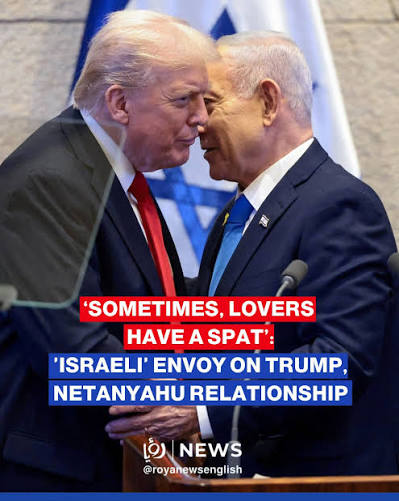
Recent reports suggesting a growing rift between U.S. President Donald Trump and Israeli Prime Minister Benjamin Netanyahu have dominated international headlines. However, senior Israeli officials are now pushing back against claims that the two longtime allies are experiencing a major diplomatic breakdown.
As conflict and ceasefire negotiations continue to shape the Middle East landscape, questions about the relationship between Washington and Jerusalem have become increasingly important. Reports of tense phone calls, disagreements over Iran policy, and differing approaches toward Lebanon have fueled speculation that Trump and Netanyahu may be drifting apart.
Yet a top Israeli diplomat insists that these reports are exaggerated.
According to Israeli Ambassador to the United States Yechiel Leiter, the relationship between Trump and Netanyahu remains fundamentally strong despite occasional disagreements. Speaking publicly about the issue, Leiter reportedly compared the situation to a family disagreement, suggesting that even close allies sometimes clash without damaging the overall partnership.
This article examines the origins of the reported tensions, what Israeli officials are saying, how Trump and Netanyahu have responded, and what the developments could mean for U.S.-Israel relations going forward.
Why Trump-Netanyahu Tension Reports Emerged
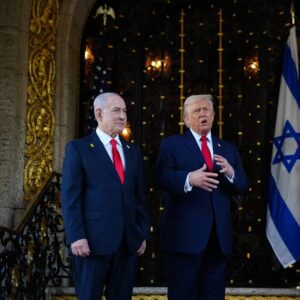
The latest speculation began after several reports described heated conversations between Trump and Netanyahu regarding military actions in Lebanon and the broader conflict involving Iran.
Media reports indicated that Trump urged restraint while seeking to preserve diplomatic efforts with Iran and avoid a wider regional conflict. Netanyahu, meanwhile, continued to emphasize Israel’s security concerns and its right to respond to threats from both Iran and Hezbollah.
The reports suggested that disagreements centered on:
- Israeli military operations in Lebanon
- Responses to Iranian actions
- The timing of potential ceasefire arrangements
- U.S. diplomatic efforts with Tehran
- Broader regional security strategy
These developments quickly fueled speculation that a serious fracture had emerged between the two leaders.
Israeli Diplomat Rejects Claims of a Major Rift
Israeli Ambassador Yechiel Leiter has strongly rejected the idea that the relationship is collapsing.
In television interviews, Leiter characterized the disagreements as normal differences between close partners. He reportedly remarked that “sometimes lovers have a spat,” a phrase that quickly attracted international attention.
The ambassador emphasized that both governments continue to cooperate on key strategic objectives and share common concerns regarding regional security threats.
Leiter’s comments are significant because ambassadors often serve as official messengers for their governments. His public defense of the Trump-Netanyahu relationship appears designed to reassure both domestic and international audiences that the alliance remains intact.
The message from Israeli officials is clear: disagreements should not be mistaken for a strategic split.
Reports of Heated Conversations
Despite efforts to calm concerns, multiple reports indicate that conversations between Trump and Netanyahu have occasionally become tense.
One reported phone call focused on Israeli strikes connected to Hezbollah activity in Lebanon. According to published accounts, Trump expressed frustration that military actions could undermine ongoing diplomatic efforts and increase the risk of broader regional escalation.
Additional reporting suggested that Trump warned Netanyahu about the dangers of renewed conflict with Iran and encouraged restraint.
These reports do not necessarily indicate a breakdown in relations. Diplomatic disagreements among allies are common, particularly during periods of military conflict and high-stakes negotiations.
Still, the unusually public nature of the reported exchanges attracted significant media attention.
Netanyahu Responds to Tension Reports
Netanyahu himself has repeatedly downplayed suggestions of a serious dispute.
In recent comments, the Israeli leader acknowledged that tactical disagreements can occur between leaders while emphasizing that both countries remain aligned on broader strategic goals.
Netanyahu reportedly stressed that:
- The United States remains Israel’s closest ally.
- Shared concerns about Iran continue to unite both governments.
- Security cooperation remains strong.
- Differences relate primarily to tactics rather than objectives.
His remarks suggest an effort to separate short-term policy disagreements from the larger U.S.-Israel partnership.
The Israeli prime minister has also described Trump as one of Israel’s strongest friends internationally, reinforcing the message that reports of a major rupture are overstated.
Trump’s Position on Israel and Iran
Trump’s recent statements reveal a nuanced position.
While maintaining support for Israel’s security, he has also publicly advocated caution regarding further military escalation.
Reports indicate that Trump urged Netanyahu not to reignite a broader war with Iran and encouraged efforts to preserve ceasefire arrangements whenever possible.
At the same time, Trump has continued to describe Netanyahu as an important partner and has expressed confidence in ongoing cooperation between the two governments.
This balancing act reflects competing priorities:
- Supporting Israel’s security.
- Avoiding a wider regional war.
- Maintaining diplomatic channels with Iran.
- Protecting broader U.S. strategic interests.
These objectives can sometimes create tensions even among close allies.
The Iran Factor
Much of the reported friction appears connected to Iran.
The United States and Israel generally agree that Iran represents a major regional challenge. However, differences may emerge regarding the best way to address that challenge.
Israeli leaders have traditionally favored a more aggressive security posture toward Iranian-backed groups and military threats.
Meanwhile, reports suggest Trump has recently emphasized diplomatic opportunities alongside deterrence measures.
This difference in emphasis does not necessarily represent a fundamental policy divide. Rather, it highlights the complex choices facing leaders during periods of heightened regional instability.
The challenge lies in balancing military preparedness with diplomatic engagement.
Lebanon and Hezbollah Remain Key Issues
Another major source of reported disagreement involves Lebanon and Hezbollah.
Israel views Hezbollah as a direct security threat due to its military capabilities and ties to Iran.
Trump has reportedly expressed concern that expanded military operations could increase regional instability and complicate ongoing diplomatic efforts.
Netanyahu, however, has maintained that Israel must retain the ability to respond decisively to security threats.
These differing perspectives reflect distinct responsibilities:
- U.S. leaders must consider broader regional and global implications.
- Israeli leaders focus heavily on immediate national security concerns.
As a result, tactical disagreements are not unusual.
Why the Relationship Still Matters
The relationship between Trump and Netanyahu carries significant geopolitical importance.
The United States remains Israel’s most important international partner, while Israel serves as a key American ally in the Middle East.
Areas of cooperation include:
- Intelligence sharing
- Defense coordination
- Counterterrorism efforts
- Regional diplomacy
- Security planning
Because of these deep institutional ties, analysts generally view temporary political disagreements as less significant than the broader strategic partnership.
Even when leaders disagree, cooperation often continues across multiple government levels.
Historical Context
It is important to remember that disagreements between U.S. and Israeli leaders are not new.
Throughout modern history, American presidents and Israeli prime ministers have frequently differed on issues such as:
- Settlements
- Military operations
- Peace negotiations
- Iran policy
- Regional diplomacy
Yet the underlying alliance has generally remained strong.
Current reports appear to fit within that historical pattern rather than signaling a dramatic break.
Israeli officials seem eager to emphasize this point when responding to media coverage.
Global Reactions
International observers have closely followed reports of Trump-Netanyahu tensions because of their potential impact on regional stability.
Many governments are watching for signals regarding:
- Future Iran negotiations
- Ceasefire efforts
- Lebanon policy
- U.S. military involvement
- Middle East security arrangements
The ambassador’s effort to downplay tensions may therefore serve not only a domestic audience but also international partners seeking reassurance about policy continuity.
What Happens Next?
The future trajectory of Trump-Netanyahu relations will likely depend on developments across several fronts:
Iran Negotiations
Any progress or setbacks in discussions involving Iran could influence relations between Washington and Jerusalem.
Lebanon Security Situation
Escalation involving Hezbollah could create additional policy disagreements.
Regional Ceasefire Efforts
Success or failure in maintaining ceasefires will remain a major factor.
Domestic Political Considerations
Both leaders face political pressures at home that may influence public messaging and policy decisions.
For now, however, official statements from Israeli representatives indicate that neither side views recent disagreements as evidence of a lasting rupture.
Conclusion
Reports of Trump-Netanyahu tensions have generated significant global attention, but Israeli officials are actively pushing back against claims of a major diplomatic crisis.
Ambassador Yechiel Leiter has portrayed the disagreements as normal disputes between close allies rather than signs of a strategic breakdown. Meanwhile, Netanyahu has emphasized continued alignment with Trump on major security objectives despite occasional tactical differences.
While reports of heated conversations regarding Iran and Lebanon appear credible, both leaders continue to stress the importance of the U.S.-Israel partnership.
As events in the Middle East continue to evolve, observers will closely watch whether these disagreements remain isolated policy disputes or develop into broader strategic differences. For now, official messaging from both sides suggests that the alliance remains strong despite recent friction.
FAQs
What sparked the Trump-Netanyahu tension reports?
Reports emerged following disagreements over Israeli military operations, Lebanon policy, and approaches toward Iran-related diplomacy.
Who is Yechiel Leiter?
Yechiel Leiter is Israel’s ambassador to the United States and recently downplayed reports of serious tensions between Trump and Netanyahu.
Did Netanyahu respond to the reports?
Yes. Netanyahu acknowledged tactical disagreements but emphasized that he and Trump remain aligned on major strategic objectives.
Is the U.S.-Israel alliance weakening?
Current official statements do not suggest a weakening alliance. Israeli officials continue to describe the partnership as strong despite policy disagreements.
Why is Iran central to the dispute?
Iran remains one of the most significant security concerns for both countries, although differences may exist regarding the best methods for addressing the challenge.
Could these tensions affect Middle East diplomacy?
Potentially. Differences between Washington and Jerusalem can influence ceasefire efforts, regional negotiations, and broader security policies across the Middle East.
How useful was this post?
Click on a star to rate it!
Average rating 0 / 5. Vote count: 0
No votes so far! Be the first to rate this post.
About the Author

usa5911.com
Administrator
Hi, I’m Gurdeep Singh, a professional content writer from India with over 3 years of experience in the field. I specialize in covering U.S. politics, delivering timely and engaging content tailored specifically for an American audience. Along with my dedicated team, we track and report on all the latest political trends, news, and in-depth analysis shaping the United States today. Our goal is to provide clear, factual, and compelling content that keeps readers informed and engaged with the ever-changing political landscape.