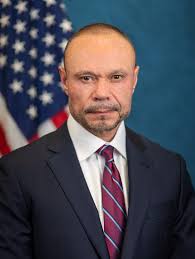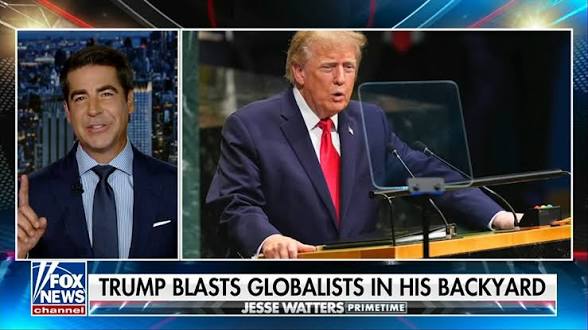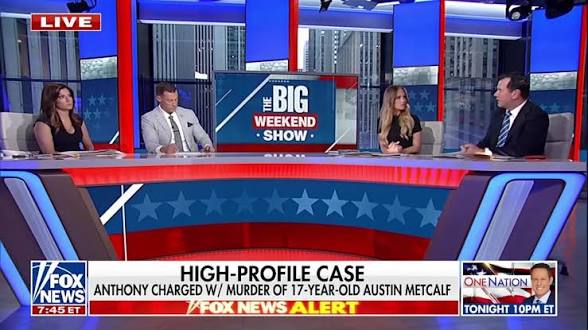
The high-profile murder trial involving Karmelo Anthony and the death of Austin Metcalf continues to capture national attention, drawing intense media scrutiny, legal analysis, and public debate. Among the latest voices weighing in on the case is political commentator and media analyst Joe Concha, who argued that Anthony’s defense team faces a “very hard” battle as they attempt to convince jurors that the fatal stabbing was an act of self-defense.
The case has become one of the most closely watched criminal trials in Texas in recent years. What began as a confrontation during a high school track meet has evolved into a courtroom battle involving questions about self-defense, witness credibility, jury perception, and the broader social discussion surrounding the incident.
As the trial unfolds, legal experts remain divided over whether the defense can overcome the evidence presented by prosecutors. Yet many observers agree that the stakes could not be higher for everyone involved.
What Happened Between Karmelo Anthony and Austin Metcalf?
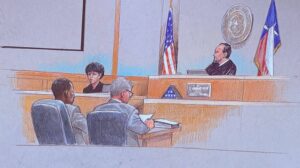
The incident dates back to April 2025 during a high school track meet in Frisco, Texas. According to court testimony, a dispute erupted under a team tent while athletes were seeking shelter from rainy weather.
Prosecutors allege that Austin Metcalf, a 17-year-old student-athlete, confronted Karmelo Anthony after Anthony entered an area designated for another school’s team. The confrontation escalated rapidly, ending with Anthony allegedly stabbing Metcalf in the chest. Metcalf later died from his injuries. Anthony was arrested shortly afterward and charged with first-degree murder.
Anthony has pleaded not guilty and maintains that he acted in self-defense. His legal team argues that he felt threatened during the confrontation and responded out of fear rather than aggression.
Why Joe Concha Says The Defense Faces A Difficult Challenge
Joe Concha’s comments reflect a growing belief among some analysts that jurors may have difficulty accepting the self-defense argument.
The defense must persuade jurors that Anthony reasonably feared imminent harm and that the use of deadly force was legally justified under Texas law. However, prosecutors have presented the incident as a sudden and unnecessary act of violence rather than a defensive reaction.
Legal commentators note that self-defense cases often depend heavily on perception. Jurors must decide whether Anthony’s actions were reasonable under the circumstances and whether deadly force was truly necessary.
Concha’s assessment highlights what many analysts view as the central challenge: convincing jurors that a fatal stabbing was proportionate to the threat Anthony allegedly faced.
The Defense Strategy
Anthony’s attorneys have focused heavily on the self-defense claim since the beginning of the trial.
Defense lawyers argue that Anthony was physically smaller than Metcalf and felt intimidated during the encounter. They have emphasized testimony suggesting that physical contact occurred before the stabbing and that Anthony feared further escalation.
The defense has also called witnesses intended to support Anthony’s account of events. Recent testimony included statements from individuals who said Anthony appeared emotionally distressed immediately after the incident and repeatedly stated that he had warned Metcalf not to touch him.
From a legal standpoint, the defense hopes these details will establish that Anthony acted from fear rather than malicious intent.
Prosecutors Push Back
Prosecutors have offered a very different interpretation.
According to the state, the evidence demonstrates that Anthony was not acting in self-defense when he stabbed Metcalf. Prosecutors have described the incident as a “senseless murder” and argue that the force used was excessive and unjustified.
Courtroom testimony has included witness accounts, surveillance footage, and statements allegedly made by Anthony after the incident. Prosecutors contend that these elements collectively undermine the self-defense narrative.
The prosecution’s task is to prove beyond a reasonable doubt that Anthony intentionally caused Metcalf’s death and that his actions do not qualify for legal protection under self-defense statutes.
Key Evidence Jurors Are Considering
Several pieces of evidence have emerged as particularly significant.
1. Witness Testimony
Multiple witnesses have described the confrontation and its aftermath. Jurors are hearing differing perspectives regarding who initiated the physical contact and whether Anthony reasonably feared serious harm.
2. Video Footage
Surveillance and other video evidence have become a major focus during the trial. Attorneys on both sides have pointed to footage to support their respective narratives.
3. Statements After The Incident
Jurors have also heard testimony regarding statements Anthony allegedly made immediately after the stabbing. These comments could play an important role in determining his state of mind during the incident.
4. Physical Evidence
Medical findings and forensic evidence help establish the nature of the injuries suffered by Metcalf and may influence jurors’ evaluation of whether the force used was justified.
The Self-Defense Question
The central legal question remains straightforward but difficult:
Did Anthony reasonably believe that deadly force was necessary to protect himself?
Texas law permits self-defense under certain circumstances. However, the defense must demonstrate that Anthony’s belief was reasonable and that his response matched the level of threat he faced.
Some legal analysts have expressed skepticism about the defense’s chances. Experts cited in media coverage argue that if jurors conclude Metcalf did not pose a deadly threat, Anthony’s self-defense claim could fail.
This is one reason why observers like Joe Concha believe the defense faces a steep uphill battle.
Public Reaction And National Attention
The case has generated extraordinary public interest.
Social media discussions, fundraising campaigns, media coverage, and public demonstrations have all contributed to the intense spotlight surrounding the trial. The racial backgrounds of the two teenagers have further fueled online debate, although both families have urged the public to avoid exploiting the tragedy for political purposes.
Authorities have repeatedly warned against misinformation circulating online. False claims, fabricated reports, and misleading narratives have complicated public understanding of the case.
As a result, courtroom evidence remains the most reliable source for determining what actually happened.
Jury Selection Controversy
Another major topic has been the composition of the jury.
Reports indicate that no Black jurors were selected for the final jury panel, prompting objections from the defense. The issue has become part of broader discussions about fairness and representation within the justice system.
While the judge allowed the jury selection process to stand, the controversy has added another layer of attention to an already high-profile trial.
Potential Consequences For Anthony
The outcome of the case could have life-changing consequences.
Anthony is being tried as an adult and faces a potential sentence ranging from years in prison to life imprisonment if convicted. Because he was a teenager at the time of the incident, certain sentencing limitations may apply, but the legal consequences remain severe.
The verdict will ultimately depend on whether jurors accept the prosecution’s argument or the defense’s claim of self-defense.
Why This Trial Matters
Beyond the individuals involved, the trial highlights broader legal and societal questions.
The case touches on issues such as self-defense law, youth violence, public perception, media influence, and the role of social media in shaping narratives before a verdict is reached.
For legal professionals, the trial offers a significant example of how self-defense claims are evaluated in real-world criminal proceedings.
For the public, it serves as a reminder that courtroom outcomes are determined by evidence and legal standards rather than online speculation.
Conclusion
Joe Concha’s observation that Karmelo Anthony’s defense faces a “very hard” fight reflects the reality of a complex and emotionally charged case. The defense continues to argue that Anthony acted out of fear and in self-defense, while prosecutors insist the evidence supports a murder conviction.
As testimony continues and jurors review the evidence, the trial remains one of the most closely followed legal proceedings in America. Whatever the outcome, the verdict will likely have lasting implications for everyone connected to the case and may influence future discussions about self-defense, criminal justice, and public accountability.
FAQs
Who is Karmelo Anthony?
Karmelo Anthony is a Texas teenager charged with first-degree murder in the fatal stabbing of Austin Metcalf during a high school track meet in 2025.
What happened to Austin Metcalf?
Austin Metcalf died after being stabbed during an altercation at a track meet in Frisco, Texas. Prosecutors allege Anthony intentionally stabbed him during a dispute.
What is Anthony’s defense?
Anthony has pleaded not guilty and claims he acted in self-defense during the confrontation.
Why does Joe Concha believe the defense faces a difficult challenge?
Concha and several legal observers believe jurors may find it difficult to accept that deadly force was justified under the circumstances presented in court.
What sentence could Anthony face if convicted?
Anthony faces severe penalties, potentially including a lengthy prison sentence or life imprisonment if convicted.
About the Author