Iran War Alert: Ceasefire Tensions Explode, Strait Of Hormuz Crisis Deepens, World Reacts
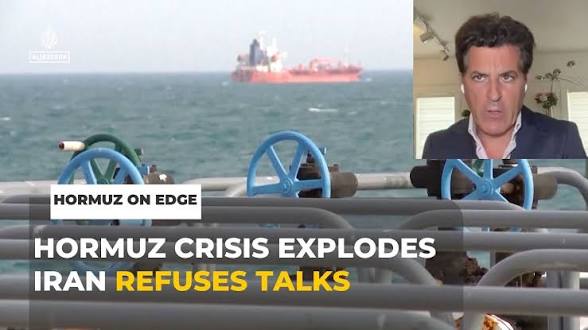
The global spotlight has once again turned toward the Middle East as the Iran war crisis intensifies amid fragile ceasefire negotiations and rising tensions in the Strait of Hormuz. What initially appeared to be a possible diplomatic breakthrough has rapidly evolved into a dangerous geopolitical standoff involving military operations, economic uncertainty, oil market instability, and worldwide diplomatic concern. Governments, investors, and energy markets are all closely watching developments as fears grow that the conflict could trigger a broader international crisis.
Recent reports indicate that ceasefire efforts between Iran and the United States remain unstable despite ongoing negotiations. Military strikes, naval blockades, and renewed threats surrounding the Strait of Hormuz have pushed the region toward another critical moment.
The Strait of Hormuz is one of the world’s most strategically important waterways. Nearly one-fifth of global oil shipments traditionally pass through this narrow passage connecting the Persian Gulf to the Arabian Sea. Any disruption in the strait has immediate consequences for oil prices, shipping routes, inflation, and global economic confidence.
Why The Strait Of Hormuz Matters So Much
The Strait of Hormuz is often described as the world’s most critical oil chokepoint. Countries including Saudi Arabia, Iraq, Kuwait, Qatar, and the United Arab Emirates rely heavily on it to export crude oil and liquefied natural gas. Asia, especially India, China, Japan, and South Korea, depends significantly on Gulf energy shipments traveling through this route.
When Iran threatened to restrict access to the strait following military escalation earlier this year, global energy markets reacted immediately. Oil prices surged sharply while shipping insurers raised premiums on vessels traveling through the region. Several international shipping companies reduced operations due to safety concerns.
The crisis became even more dangerous after reports emerged that Iran and the United States accused each other of violating ceasefire understandings tied to the reopening of commercial shipping lanes.
Ceasefire Negotiations Under Pressure
Diplomatic efforts have struggled to produce lasting stability. While temporary ceasefire announcements initially created optimism, new military operations have repeatedly threatened negotiations. Reports published this week suggest that recent American strikes against Iranian targets intensified mistrust between both sides.
Iranian officials have continued participating in negotiations mediated by regional powers, including Qatar and Pakistan, but tensions remain extremely high. One of the central disputes involves the reopening of the Strait of Hormuz and the lifting of naval restrictions affecting Iranian oil exports.
The White House has also publicly denied some reports regarding draft agreements, describing certain claims as inaccurate or premature.
Despite official diplomatic channels remaining open, military activity in the Gulf region has created a fragile environment where any incident could rapidly escalate into a broader conflict.
Oil Markets React To Growing Uncertainty
Oil prices have become one of the clearest indicators of global anxiety surrounding the Iran crisis. Energy traders are reacting not only to military developments but also to rumors regarding possible ceasefire frameworks and shipping agreements.
Recent reports suggested that oil prices dropped sharply after speculation that a deal could reopen the Strait of Hormuz within weeks. However, analysts warned that markets remain highly volatile because negotiations are far from finalized.
Economic experts fear that prolonged instability could trigger:
- Higher global fuel prices
- Increased inflation
- Supply chain disruptions
- Slower economic growth
- Shipping shortages
- Rising food and manufacturing costs
The International Energy Agency has reportedly described the disruption as one of the most severe global energy supply challenges in modern history.
For consumers around the world, the consequences may eventually appear through higher transportation costs, increased grocery prices, and more expensive household energy bills.
Global Leaders Call For De-Escalation
International reactions have highlighted the widespread concern over the crisis. Multiple governments have urged Iran and the United States to preserve ceasefire efforts and prevent a larger regional war.
European leaders have called for diplomatic restraint while emphasizing the importance of maintaining safe navigation through the Strait of Hormuz.
India also expressed support for peaceful dialogue due to its major dependence on Gulf energy imports and regional trade stability.
The United Nations has repeatedly urged all parties to comply with international law and avoid actions that could endanger civilian shipping or escalate violence further.
Meanwhile, countries such as China and Russia have criticized military escalation while resisting proposals that could justify wider international intervention near Iranian waters.
Military Operations Raise Fears Of Wider Conflict
Military activity around the Strait of Hormuz continues to fuel fears that the crisis could spread beyond Iran and the Gulf region.
Reports indicate that the United States has increased naval operations designed to protect commercial shipping and escort vessels through the waterway. Iran, however, maintains that it retains control over the strait and has warned against foreign military pressure.
The situation remains especially dangerous because of the number of actors involved, including:
- Iranian naval forces
- U.S. military assets
- Israeli operations
- Gulf Arab allies
- Regional militias
- International commercial fleets
Analysts warn that even a limited confrontation at sea could disrupt global energy flows and trigger broader military retaliation.
Some reports have also highlighted the involvement of additional regional flashpoints, including tensions in Lebanon and Gaza, which continue to complicate ceasefire diplomacy.
Economic Fallout Could Spread Worldwide
The Iran war crisis is not only a military and diplomatic issue. It is increasingly becoming a global economic challenge.
The Gulf region serves as a major artery for international trade and energy supply. Extended disruptions in the Strait of Hormuz could severely impact:
- Aviation industries
- Global shipping
- Manufacturing sectors
- Financial markets
- Commodity prices
- Emerging economies
Several analysts have compared current fears to historical oil shocks that triggered inflation and economic slowdowns during previous geopolitical crises.
The situation is particularly sensitive because many global economies are still dealing with inflation pressures, fragile supply chains, and post-pandemic recovery challenges.
Financial markets have already shown signs of nervousness as investors monitor diplomatic developments almost hour by hour.
How Social Media And Public Opinion Are Reacting
Public reaction online has been intense. Social media platforms are flooded with debates about the possibility of a larger Middle East war, the impact on oil prices, and the political consequences for world leaders.
Hashtags related to Iran, the Strait of Hormuz, oil prices, and ceasefire negotiations have trended globally as people search for updates and analysis.
Some users fear that the conflict could trigger a global recession if shipping routes remain unstable for an extended period. Others argue that diplomacy remains possible despite escalating rhetoric.
Political analysts also note that public opinion inside multiple countries could influence how governments respond moving forward, especially if economic pressures worsen.
Could A Long-Term Peace Deal Still Happen?
Despite escalating tensions, diplomatic channels have not completely collapsed. Negotiators continue discussing frameworks involving sanctions relief, shipping access, and military de-escalation.
However, several major obstacles remain:
- Deep mistrust between Washington and Tehran
- Ongoing military operations
- Disagreements over sanctions
- Regional security concerns
- Israeli-Iranian tensions
- Internal political pressure on all sides
Experts believe that while temporary ceasefires may continue, achieving a comprehensive long-term settlement will require major concessions from multiple parties.
The future of the Strait of Hormuz remains central to these discussions because reopening stable commercial navigation is considered essential for restoring confidence in global energy markets.
What Happens Next?
The coming weeks may determine whether the Iran crisis moves toward diplomacy or deeper conflict.
Key developments to watch include:
- Future ceasefire announcements
- Naval activity in the Gulf
- Oil price movements
- U.S.-Iran diplomatic talks
- International mediation efforts
- Israeli regional operations
- Shipping traffic through Hormuz
Any sudden military escalation could quickly destabilize negotiations and trigger broader international consequences.
At the same time, successful diplomatic progress could stabilize energy markets and reduce fears of a wider regional war.
For now, uncertainty remains the defining feature of the crisis.
Conclusion
The Iran war alert has become one of the most serious geopolitical stories of the year. Ceasefire tensions, military operations, and the growing Strait of Hormuz crisis are shaping global economic and political discussions on a daily basis.
The world understands the stakes. A stable Strait of Hormuz is essential not only for the Middle East but also for international energy markets, trade routes, and global economic security. As negotiations continue under enormous pressure, governments and financial markets remain on edge.
Whether diplomacy succeeds or conflict deepens will likely influence global politics, energy prices, and economic stability for months to come.
FAQs
What is the Strait of Hormuz?
The Strait of Hormuz is a narrow waterway connecting the Persian Gulf to the Arabian Sea. It is one of the world’s most important oil shipping routes.
Why is the Iran ceasefire under pressure?
Recent military strikes, disagreements over shipping access, and ongoing regional tensions have weakened trust between negotiating parties.
Why are oil prices reacting to the Iran crisis?
Any disruption in the Strait of Hormuz threatens global oil supplies, which can rapidly increase energy prices worldwide.
Which countries are most affected by Hormuz disruptions?
Countries heavily dependent on Gulf energy imports, including India, China, Japan, and South Korea, are especially vulnerable.
Could the Iran crisis affect the global economy?
Yes. Extended disruptions could increase inflation, raise shipping costs, destabilize markets, and slow economic growth worldwide.
Are peace talks still happening?
Yes. Negotiations involving regional mediators are ongoing, although tensions remain extremely high.
Why is the world reacting strongly to this conflict?
The crisis affects global trade, oil markets, regional security, and international diplomacy, making it a major worldwide concern.
m
How useful was this post?
Click on a star to rate it!
Average rating 0 / 5. Vote count: 0
No votes so far! Be the first to rate this post.
About the Author

usa5911.com
Administrator
Hi, I’m Gurdeep Singh, a professional content writer from India with over 3 years of experience in the field. I specialize in covering U.S. politics, delivering timely and engaging content tailored specifically for an American audience. Along with my dedicated team, we track and report on all the latest political trends, news, and in-depth analysis shaping the United States today. Our goal is to provide clear, factual, and compelling content that keeps readers informed and engaged with the ever-changing political landscape.