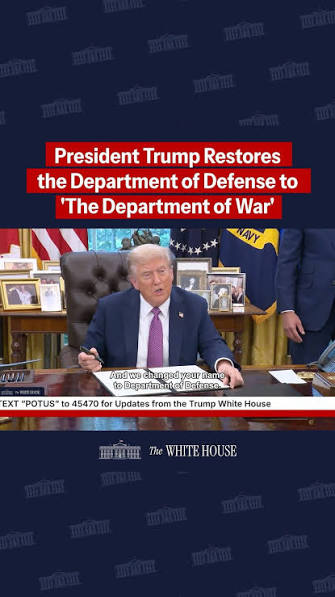
The latest Executive Order Showdown in Washington has triggered one of the most heated debates in modern American politics. From courtrooms to Congress, and from cable news panels to social media platforms, Americans are sharply divided over how far presidential power should go. The White House continues to defend its aggressive use of executive authority, while critics warn that the country may be entering a dangerous constitutional conflict.
Executive orders have always been a powerful presidential tool. However, recent actions coming out of the White House have intensified concerns about executive overreach, legal accountability, and the balance of power between the presidency, Congress, and the courts. The growing political tension has transformed executive orders from routine policy instruments into symbols of a much larger national battle over government authority.
The current Executive Order Showdown comes at a time when America is already deeply polarized. Supporters argue that strong executive action is necessary to move quickly on urgent national issues, while opponents believe the administration is bypassing democratic checks and balances. As new legal challenges emerge almost weekly, the debate is reshaping the political landscape heading into future elections.
What Is Driving the Executive Order Showdown?
At the center of the controversy is the White House’s expanding reliance on executive orders to implement major policy decisions. Recent executive actions have covered issues ranging from artificial intelligence regulation and federal contracting rules to election integrity, immigration enforcement, financial regulation, and national security measures.
The administration argues that Congress has become too divided and too slow to respond to modern challenges. By using executive authority, the White House claims it can deliver faster results for Americans. Critics, however, say this strategy weakens democratic institutions and sidelines lawmakers who are constitutionally responsible for creating legislation.
One major point of conflict involves the administration’s push to reshape regulatory agencies and federal oversight structures. Legal experts and political analysts have increasingly questioned whether some executive actions exceed constitutional limits. The controversy has become even more intense after several federal judges stepped in to challenge or temporarily block certain White House initiatives.
The White House insists that its actions remain fully legal and necessary to protect national interests. Still, the legal battles surrounding these executive orders continue to expand, creating uncertainty across Washington and throughout the country.
Courts Become Central To The Battle
Federal courts are now playing a major role in the Executive Order Showdown. Judges have issued rulings that directly challenge several high-profile White House actions, especially in areas involving records preservation, federal construction projects, and agency authority.
One of the most closely watched legal disputes involves a federal judge ordering White House offices to comply with the Presidential Records Act. The ruling represented a major setback for efforts to reinterpret or weaken long-standing recordkeeping requirements. Critics of the administration viewed the decision as an important defense of government transparency and accountability.
At the same time, another legal battle involving a controversial White House ballroom project has become symbolic of the larger struggle over executive power. The Justice Department has argued that national security concerns justify the project, while opponents claim the president lacks the authority to bypass congressional approval.
These courtroom clashes have transformed executive orders into more than simple policy tools. They are now central to broader constitutional arguments about presidential authority, judicial independence, and congressional oversight.
Congress Faces Growing Pressure
Congress has also become deeply involved in the Executive Order Showdown. Lawmakers from both parties are facing intense pressure from voters, activists, and political donors to either support or oppose the administration’s aggressive use of executive authority.
Republican allies of the White House argue that executive orders are necessary because partisan gridlock has made meaningful legislation almost impossible. Many conservatives believe strong presidential action is justified when Congress fails to act on major national priorities.
Democrats and some constitutional conservatives, however, warn that relying too heavily on executive authority sets a dangerous precedent. They argue that future administrations could use the same powers in even more controversial ways.
Several lawmakers have proposed measures to limit or review executive orders more aggressively. Others are demanding increased congressional oversight hearings into recent White House actions involving federal agencies, election policies, and AI regulation.
Political strategists believe this battle could significantly shape upcoming elections. Voters are increasingly viewing executive authority as one of the defining issues of modern American politics.
Artificial Intelligence Orders Spark New Debate
One of the most controversial areas in the current Executive Order Showdown involves artificial intelligence policy. Reports indicate that the administration considered executive actions that would expand government involvement in monitoring advanced AI systems and cybersecurity threats.
The proposed measures reportedly included voluntary frameworks for AI developers to coordinate with federal officials before releasing advanced models. Supporters argued this would improve national security and protect critical infrastructure.
However, critics warned that such actions could increase government influence over private technology companies and potentially slow innovation. Major technology leaders reportedly lobbied the White House heavily during discussions surrounding the proposed AI executive order.
The controversy highlights how executive power is increasingly intersecting with emerging technologies. As artificial intelligence becomes more influential, debates over federal authority and regulation are likely to grow even more intense.
Executive Orders And Economic Policy
Economic policy has also become a major front in the Executive Order Showdown. Recent executive actions have focused on financial technology regulation, housing policy, sanctions, and federal contracting rules.
Supporters say these measures are designed to modernize the economy, strengthen national security, and remove unnecessary regulatory barriers. The White House argues that executive action allows the administration to respond rapidly to changing global conditions.
Opponents counter that sweeping economic decisions should pass through Congress rather than being implemented through executive directives. Business leaders, investors, and legal experts are closely watching how courts respond to these policies because the outcomes could significantly affect future regulatory authority.
The debate has become especially heated around executive orders targeting federal contractors and diversity-related policies. Some organizations claim the new rules create legal uncertainty for businesses working with the federal government.
Meanwhile, supporters of the administration believe the policies represent a necessary correction to what they view as excessive bureaucracy and politically driven regulation.
America Reacts Across Social Media
Public reaction to the Executive Order Showdown has exploded online. Social media platforms are filled with debates, viral clips, legal analysis, political memes, and emotional arguments about presidential power.
Supporters of the White House describe the administration as decisive and willing to take action where Congress has failed. They argue that modern presidents must use executive authority aggressively to address fast-moving crises.
Critics, however, accuse the administration of undermining democratic norms and concentrating too much power in the executive branch. Some online discussions have even described recent actions as historic expansions of presidential authority.
Trending hashtags related to executive orders continue to dominate political conversations across platforms. Political influencers, journalists, constitutional scholars, and activists are all contributing to a growing national debate over the future of presidential power.
The emotional intensity surrounding the issue reflects a deeper anxiety among many Americans about the direction of the country and the stability of democratic institutions.
Historical Context Matters
Executive orders are not new in American politics. Presidents from both parties have used them throughout history to implement policy goals, respond to emergencies, and shape federal operations.
Past presidents have used executive orders to address civil rights, national security, immigration, economic crises, and military operations. However, historians note that the scope and frequency of executive actions have grown significantly in recent decades.
Modern presidents increasingly rely on executive authority because Congress has become more polarized and less capable of passing major legislation. As a result, executive orders have evolved into one of the most powerful tools available to the White House.
Still, constitutional scholars warn that excessive dependence on executive action can weaken institutional balance. The framers of the Constitution intentionally divided power between branches of government to prevent any single branch from becoming too dominant.
That historical tension is now at the heart of today’s Executive Order Showdown.
Could The Supreme Court Decide The Outcome?
Many legal analysts believe the Supreme Court may eventually become the final referee in several major executive order disputes. Cases involving presidential authority, agency independence, election policy, and federal oversight could ultimately reach the nation’s highest court.
If that happens, the rulings could reshape the balance of power in Washington for years or even decades.
Constitutional experts say future Supreme Court decisions may determine how much authority presidents can exercise without congressional approval. The outcomes could affect not only the current administration but every future White House as well.
Both political parties understand the stakes involved. That is why executive order battles are now being fought not only in Congress and the courts but also in public opinion campaigns nationwide.
What Happens Next?
The Executive Order Showdown is far from over. Additional executive actions are expected in the coming months, and new legal challenges will likely follow quickly behind them.
Political observers believe the conflict could intensify as election season approaches. Candidates from both parties are expected to use executive power as a central campaign issue, arguing either for stronger presidential authority or greater constitutional limits.
At the same time, voters are becoming increasingly engaged in debates over how government should function in a deeply divided era.
The White House continues to defend its approach as necessary leadership during a time of national uncertainty. Opponents continue to warn that unchecked executive power threatens democratic accountability.
What is clear is that the battle over executive authority has become one of the defining political struggles of modern America.
Conclusion
The Executive Order Showdown represents more than a series of policy disputes. It reflects a deeper national argument about presidential power, constitutional limits, and the future of American democracy.
As the White House pushes forward with ambitious executive actions, the courts, Congress, and the public are responding with growing intensity. Legal battles, political pressure, and public outrage are all combining to create one of the most dramatic power struggles Washington has seen in years.
Whether Americans view these executive orders as bold leadership or dangerous overreach often depends on political perspective. Yet nearly everyone agrees that the consequences could shape the future of presidential authority for generations.
The coming months will likely bring even more legal rulings, political clashes, and public reaction. For now, the Executive Order Showdown remains at the center of America’s political conversation.
FAQs
What is the Executive Order Showdown?
The Executive Order Showdown refers to the growing political and legal battle surrounding the White House’s use of executive orders to implement major policies.
Why are executive orders controversial?
Critics argue that executive orders can bypass Congress and expand presidential power, while supporters believe they help presidents act quickly during political gridlock.
Can courts block executive orders?
Yes. Federal courts can review executive orders and block them if judges believe they violate the Constitution or federal law.
Why is the White House using more executive orders?
The administration argues that Congress is too divided to pass major legislation efficiently, making executive action necessary.
Could the Supreme Court get involved?
Yes. Several ongoing legal disputes involving executive authority may eventually reach the Supreme Court.
How are Americans reacting?
Public opinion is sharply divided. Some Americans support strong executive action, while others fear excessive presidential power.
Are executive orders permanent?
No. Future presidents can reverse executive orders, and courts can also block or overturn them.
Why does this matter politically?
The debate over executive power could influence future elections, congressional battles, and the long-term balance of power in the federal government.
About the Author