Air Force Monica Witt Case: FBI Espionage Hunt, Iran Links, America Reacts

The Air Force Monica Witt case has once again captured national attention after the FBI renewed its search for the former U.S. Air Force counterintelligence specialist accused of spying for Iran. The story combines espionage, national security, international politics, cyber warfare, and ideological defection — making it one of the most dramatic intelligence scandals involving a former American military officer in recent years.
The renewed attention comes after the FBI announced a $200,000 reward for information leading to Monica Witt’s arrest and prosecution. Federal authorities allege Witt defected to Iran in 2013 and provided highly sensitive U.S. intelligence to the Iranian government and the Islamic Revolutionary Guard Corps (IRGC).
Across social media and political circles, Americans are reacting strongly. Some see the case as proof of growing foreign intelligence threats against the United States, while others view it as a warning about insider vulnerabilities within the intelligence community.
Who Is Monica Witt?
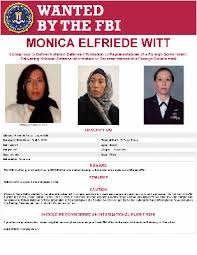
Monica Witt was born in Texas and joined the United States Air Force in 1997. During her military career, she worked as a linguist and counterintelligence specialist with access to classified information and sensitive intelligence programs.
According to federal investigators, Witt served in intelligence-related positions until 2008 and later worked as a defense contractor connected to U.S. intelligence operations. Her positions allegedly gave her access to top-secret information, including the identities of undercover American intelligence personnel.
Authorities claim that after leaving government service, Witt gradually became more critical of U.S. foreign policy and increasingly sympathetic toward Iran.
The case later evolved into one of the most high-profile espionage investigations tied to Iran in modern American history.
How Monica Witt Became Linked to Iran
Federal prosecutors say Witt traveled to Iran in 2012 to attend an anti-American conference reportedly linked to the Islamic Revolutionary Guard Corps. The event allegedly promoted anti-Western narratives and served as a recruitment environment for foreign influence operations.
Investigators believe that during and after this trip, Iranian intelligence operatives cultivated a relationship with Witt.
By 2013, U.S. authorities allege she defected to Iran permanently.
The FBI claims she provided Iran with classified information, including details about intelligence collection programs and the identities of U.S. personnel. Officials also accuse her of helping Iran target former American colleagues through online intelligence gathering and cyber-enabled operations.
The Department of Justice described her alleged actions as a major threat to U.S. national security.
FBI Reward Puts Monica Witt Back in Headlines
In May 2026, the FBI renewed public attention on the case by announcing a reward of up to $200,000 for information leading to Witt’s apprehension and prosecution.
Officials stated that Witt is believed to still reside in Iran and may be operating under aliases including “Fatemah Zahra” and “Narges Witt.”
The FBI Washington Field Office emphasized that the investigation remains active and that authorities continue to seek assistance from the public.
Daniel Wierzbicki, a senior FBI official, stated that Witt allegedly “betrayed her oath” to the United States and may still be supporting Iranian activities today.
The announcement triggered renewed media coverage and intense discussion online, especially amid broader tensions between Washington and Tehran.
Why the Monica Witt Case Matters
The Air Force Monica Witt case matters because it highlights the dangers posed by insider threats within intelligence agencies and military organizations.
Unlike traditional espionage involving foreign agents infiltrating a country, this case allegedly involves a trained American intelligence specialist voluntarily defecting to a foreign adversary.
Experts say insider threats are especially dangerous because insiders already possess security clearances, operational knowledge, and trusted access to classified systems.
According to the FBI, Witt allegedly exposed information related to covert intelligence operations, which may have endangered American personnel overseas.
Security analysts believe the case also demonstrates how geopolitical rivals increasingly combine cyber warfare, propaganda, recruitment efforts, and social engineering to target intelligence insiders.
Iran’s Alleged Role in the Espionage Operation
American officials accuse the Iranian government and the Islamic Revolutionary Guard Corps of helping recruit and support Witt after her defection.
The IRGC has long been accused by U.S. authorities of conducting intelligence operations, cyber campaigns, and influence efforts against American interests worldwide.
According to prosecutors, Iranian operatives allegedly used Witt’s expertise to identify U.S. intelligence personnel and gather information about American operations.
The case has also been linked to cyber activities involving Iranian hacking groups. Reports suggest Iranian cyber actors allegedly targeted Witt’s former colleagues and intelligence associates online.
The accusations further intensified concerns about state-sponsored cyber espionage originating from Iran.
Public Reaction Across America
The renewed FBI announcement generated strong reactions across America.
On social media, many users expressed shock that a former Air Force intelligence specialist could allegedly defect and assist a foreign adversary. Others questioned how security systems failed to prevent the alleged transfer of sensitive information.
Some commentators described the case as one of the most alarming examples of insider espionage involving Iran.
Political analysts also connected the story to ongoing debates about national security, counterintelligence reforms, and growing geopolitical instability in the Middle East.
Several online discussions focused on whether the United States has done enough to monitor former intelligence personnel after they leave government service.
The case has additionally sparked renewed interest in how foreign governments attempt to recruit Americans with intelligence backgrounds.
The Psychological and Ideological Debate
One major aspect of the Monica Witt story is the ongoing debate about ideology and motivation.
Federal investigators argue that Witt’s alleged defection was driven largely by ideological beliefs rather than financial incentives.
Reports indicate she became increasingly critical of U.S. military operations and foreign policy after her service years.
Some observers believe her ideological transformation made her vulnerable to Iranian recruitment efforts. Others argue the case reflects broader challenges faced by intelligence agencies when dealing with employees experiencing personal dissatisfaction, isolation, or political radicalization.
The case has therefore become part of larger discussions about psychological screening and monitoring inside national security institutions.
National Security Experts Weigh In
Security experts say the Monica Witt case remains highly significant because it demonstrates how modern espionage has evolved.
Today’s intelligence battles are not limited to spy gadgets and secret meetings. They increasingly involve digital surveillance, cyber operations, online influence campaigns, and ideological recruitment.
Experts note that intelligence agencies worldwide now focus heavily on identifying insiders who may become vulnerable to foreign influence.
The case also highlights the importance of counterintelligence education inside the military and intelligence communities.
Former intelligence officers have warned that hostile governments often target emotionally vulnerable or ideologically frustrated individuals with access to sensitive information.
The Monica Witt investigation continues to be used as a case study in counterintelligence discussions across the United States.
Cybersecurity Concerns Continue Growing
The Monica Witt case also intersects with growing concerns about cybersecurity and digital espionage.
Federal authorities allege Iranian cyber operators worked alongside Witt-related intelligence efforts to target American personnel online.
In recent years, cyber warfare has become one of the most important fronts in global security competition.
Governments increasingly use hacking campaigns, phishing attacks, digital surveillance, and online recruitment strategies to gather intelligence.
Experts believe insider information provided by former intelligence officers can dramatically improve the effectiveness of cyber espionage campaigns.
This is one reason why the FBI continues to emphasize the seriousness of the Monica Witt investigation.
The Geopolitical Context
The renewed attention surrounding Monica Witt comes during continued tensions between the United States and Iran.
Washington and Tehran remain divided over regional conflicts, sanctions, nuclear negotiations, and military activities in the Middle East.
Recent geopolitical developments have once again placed Iran-related intelligence operations under heavy scrutiny.
Because of this environment, older espionage cases tied to Iran are receiving fresh media attention.
Analysts say the FBI’s renewed reward announcement may reflect ongoing concerns that Witt could still possess intelligence value for Tehran.
The case therefore remains politically sensitive and strategically important.
Can Monica Witt Ever Be Captured?
One of the biggest questions surrounding the case is whether Monica Witt will ever face trial in the United States.
Authorities believe she remains in Iran, which does not have a straightforward extradition relationship with the United States.
That reality makes arrest and prosecution extremely difficult.
Still, the FBI continues to pursue the investigation publicly, signaling that the U.S. government has not closed the case despite the passage of time.
The reward announcement suggests investigators hope that someone with knowledge of Witt’s whereabouts or activities may eventually come forward.
For now, the former Air Force intelligence specialist remains one of America’s most wanted alleged defectors.
Media Coverage and Internet Buzz
The Monica Witt story has generated intense media interest because it combines espionage drama with real-world geopolitical stakes.
Many online users compare the case to Cold War-era spy defections, while others see it as a symbol of modern digital-age espionage.
Search interest surrounding Monica Witt surged after the FBI reward announcement, with news organizations, analysts, and commentators revisiting the allegations and timeline of events.
The story has also fueled conversations about loyalty, ideology, national identity, and modern intelligence warfare.
For many Americans, the case represents more than just a criminal investigation — it symbolizes the evolving challenges facing U.S. national security in a rapidly changing global environment.
Conclusion
The Air Force Monica Witt case remains one of the most controversial and closely watched espionage investigations involving Iran and the United States.
Federal authorities accuse the former Air Force counterintelligence specialist of defecting to Iran, exposing classified information, and assisting hostile intelligence operations. The FBI’s renewed $200,000 reward has pushed the story back into national headlines and reignited public debate about insider threats, cybersecurity, and foreign espionage.
Whether Monica Witt is ever captured or prosecuted remains uncertain. However, the case continues to serve as a powerful reminder of the risks posed by intelligence defections in the modern era.
As geopolitical tensions persist and cyber warfare evolves, the Monica Witt investigation will likely remain an important symbol of America’s ongoing counterintelligence challenges.
FAQs
Who is Monica Witt?
Monica Witt is a former U.S. Air Force counterintelligence specialist accused of defecting to Iran and sharing classified information with the Iranian government.
Why is the FBI searching for Monica Witt?
The FBI alleges Witt committed espionage by providing sensitive U.S. national defense information to Iran after defecting in 2013.
How much reward is the FBI offering?
The FBI announced a reward of up to $200,000 for information leading to Monica Witt’s apprehension and prosecution.
What information did Monica Witt allegedly provide?
Authorities say she allegedly revealed classified intelligence programs and the identities of U.S. intelligence personnel.
Is Monica Witt believed to be in Iran?
Yes. U.S. authorities believe Monica Witt currently resides in Iran.
Why is the Monica Witt case important?
The case highlights insider threats, cyber espionage risks, and ongoing intelligence tensions between the United States and Iran.
How useful was this post?
Click on a star to rate it!
Average rating 0 / 5. Vote count: 0
No votes so far! Be the first to rate this post.
About the Author

usa5911.com
Administrator
Hi, I’m Gurdeep Singh, a professional content writer from India with over 3 years of experience in the field. I specialize in covering U.S. politics, delivering timely and engaging content tailored specifically for an American audience. Along with my dedicated team, we track and report on all the latest political trends, news, and in-depth analysis shaping the United States today. Our goal is to provide clear, factual, and compelling content that keeps readers informed and engaged with the ever-changing political landscape.