Clarence Thomas Security Debate: Supreme Court Pressure, Judicial Threats, America Reacts
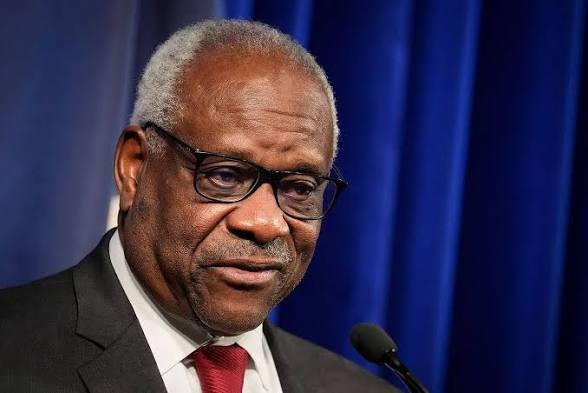
The debate surrounding Clarence Thomas has entered a new phase in 2026. What began years ago as political disagreements over Supreme Court decisions has evolved into a broader national conversation about judicial safety, public trust, ethics, and the future of the American legal system.
In recent public remarks, Justice Thomas warned that threats toward members of the judiciary have become “very, very dicey,” reflecting growing concerns over the safety of judges and Supreme Court justices in an increasingly polarized America.
The Clarence Thomas security debate is not only about one justice. It has become symbolic of larger tensions inside the United States: political polarization, criticism of the Supreme Court, online radicalization, and growing distrust between Americans and public institutions.
As debates intensify over judicial independence and ethics reform, many Americans are asking difficult questions:
- Are Supreme Court justices facing unprecedented threats?
- Has political rhetoric made judges targets?
- Should security protections for justices increase?
- Can the court maintain public confidence amid controversy?
This article examines the full controversy, the political reactions, the ethics concerns surrounding Justice Thomas, and why the debate matters for the future of American democracy.
Why Clarence Thomas Is Back in the National Spotlight
Clarence Thomas has served on the Supreme Court since 1991, making him one of the longest-serving justices in modern American history. Over the decades, he has become a leading conservative voice on constitutional interpretation and judicial originalism.
However, Thomas has also become one of the most controversial figures on the court.
In recent years, public scrutiny increased following reports about undisclosed luxury travel, gifts from wealthy donors, and questions involving ethics disclosures. Those controversies triggered calls for stronger Supreme Court ethics rules and increased transparency.
At the same time, the political environment surrounding the Supreme Court has become increasingly hostile.
Major rulings involving abortion, presidential immunity, gun rights, and federal authority have transformed the court into a central battleground in American politics. As a result, several justices — including Thomas — have reported heightened security concerns.
According to recent remarks made by Thomas during a judicial conference near Miami, security risks for justices are dramatically different from earlier decades. He stated that conditions have become “very, very dicey.”
These comments reignited debate across the political spectrum.
Rising Threats Against the Judiciary
The Clarence Thomas security debate cannot be separated from broader concerns about threats targeting judges across America.
Federal judges and Supreme Court justices have increasingly faced:
- Online harassment
- Violent threats
- Doxxing campaigns
- Protest activity outside homes
- Political intimidation
- Cybersecurity threats
The situation intensified after the Supreme Court’s major rulings in recent years, especially decisions involving abortion rights and presidential powers.
One of the most alarming incidents occurred in 2022 when a man was arrested near Justice Brett Kavanaugh’s home after allegedly planning to assassinate him following the leak of the Roe v. Wade draft opinion.
That event fundamentally changed how the judiciary viewed security risks.
Justice Thomas has since indicated that increased dangers now affect how justices travel, attend public events, and interact with citizens.
For supporters of the court, this represents a dangerous erosion of democratic norms.
They argue that while criticism of judicial decisions is legitimate, personal threats against judges undermine the rule of law itself.
America’s Political Divide and the Supreme Court
The Supreme Court has become deeply intertwined with America’s political identity.
Conservatives often praise the court for defending constitutional originalism, limiting federal power, and expanding Second Amendment protections.
Liberals, meanwhile, frequently accuse the court of becoming overly ideological and politically influenced.
Justice Thomas sits at the center of that divide.
Supporters view him as a principled constitutional conservative who resists political pressure and remains committed to originalist legal philosophy.
Critics argue that Thomas represents judicial activism from the right and question whether ethics controversies have damaged the credibility of the court.
The result is a political environment where Supreme Court justices are increasingly treated like partisan political figures rather than neutral legal arbiters.
That shift has major consequences.
When citizens begin viewing judges through a purely political lens, tensions can escalate beyond legal disagreement into hostility and personal targeting.
Ethics Controversies Fuel Public Debate
Security concerns surrounding Justice Thomas have become intertwined with ongoing ethics debates.
In recent years, investigations and media reports focused heavily on Thomas’s relationship with conservative donor Harlan Crow and undisclosed luxury travel arrangements.
Critics argued that Supreme Court justices should face stricter ethics oversight similar to lower federal judges.
The controversy became so intense that the Supreme Court adopted its first formal code of conduct in 2023.
However, critics say the code lacks enforcement mechanisms and does not fully address concerns about transparency or accountability.
Supporters of Thomas counter that many accusations are politically motivated attempts to delegitimize conservative justices.
This disagreement has fueled wider public distrust.
For some Americans, the ethics debate justifies demands for reform.
For others, the criticism represents political warfare against the judiciary.
Judicial Independence Under Pressure
One of the most important issues in the Clarence Thomas security debate is judicial independence.
The American legal system depends on judges being able to make decisions without fear of retaliation.
Legal scholars warn that threats against judges — whether physical, political, or social — can weaken democratic institutions over time.
If judges fear violence or intimidation, critics argue, the independence of the judiciary itself may suffer.
Thomas has repeatedly emphasized the importance of constitutional principles and judicial independence in public speeches.
He recently described the Constitution as a shared foundation that unites Americans despite political divisions.
That message reflects growing concern inside the judiciary that public trust in institutions is eroding rapidly.
Social Media and the Escalation of Threats
Social media has transformed how political anger spreads in America.
Judges and public officials now face immediate online reactions after controversial rulings.
Trending hashtags, viral outrage campaigns, and misinformation can rapidly intensify public hostility.
Several experts argue that online environments contribute directly to escalating threats against judges.
Unlike earlier decades, public criticism now spreads instantly to millions of people, often accompanied by personal attacks and inflammatory rhetoric.
This digital environment has changed the reality of judicial security.
Thomas himself suggested that public life has become significantly more dangerous than when he first joined the court decades ago.
Security measures for Supreme Court justices have reportedly expanded dramatically as a result.
Congressional Pressure and Calls for Reform
The Clarence Thomas security debate has also fueled congressional action.
Lawmakers from both parties have discussed:
- Increased funding for judicial security
- Expanded protection for judges’ families
- New rules regarding protests near judges’ homes
- Enhanced cybersecurity systems
- Stronger ethics oversight
At the same time, Democrats and Republicans sharply disagree about how much reform is necessary.
Some lawmakers argue that ethics concerns and public distrust require major institutional changes.
Others warn that aggressive political attacks on the court risk undermining judicial legitimacy and encouraging hostility toward judges.
This political divide makes meaningful reform difficult.
Public Opinion Remains Deeply Divided
Polls over recent years have shown declining public confidence in the Supreme Court.
Many Americans now see the court as politically influenced.
At the same time, conservatives often defend the court against what they view as unfair media attacks and political pressure campaigns.
Justice Thomas remains one of the most polarizing figures in this debate.
To critics, he symbolizes concerns about ethics and ideological imbalance.
To supporters, he represents constitutional consistency and resistance to political intimidation.
That polarization reflects broader tensions inside American society itself.
Historical Context Behind the Debate
The Supreme Court has always faced controversy.
From civil rights rulings to abortion decisions, landmark cases have historically triggered intense public reactions.
However, today’s environment feels different because:
- Political divisions are sharper
- Social media amplifies outrage
- Public trust in institutions has declined
- Security threats have become more visible
The Clarence Thomas security debate therefore represents more than a temporary political controversy.
It reflects a deeper struggle over how Americans view democracy, constitutional authority, and public institutions.
What Happens Next?
The future of the debate depends on several factors:
1. Security Funding
Congress may continue expanding security resources for judges and Supreme Court justices.
2. Ethics Reform
Pressure for stricter ethics oversight is unlikely to disappear.
3. Political Polarization
As elections approach, the Supreme Court will likely remain a political flashpoint.
4. Public Trust
The court’s long-term credibility may depend on whether Americans continue viewing it as independent rather than partisan.
Justice Thomas has shown no indication of stepping away from the court. In recent remarks, he emphasized constitutional unity and gave no suggestion of retirement.
That means the national debate surrounding him will likely continue.
Conclusion
The Clarence Thomas security debate highlights a critical moment in American political life.
On one side are growing concerns about judicial safety, threats against judges, and the dangerous consequences of political hostility.
On the other side are serious public debates over ethics, accountability, and the role of the Supreme Court in modern America.
Both issues now intersect in unprecedented ways.
As political divisions deepen, the challenge facing the United States is not simply protecting individual justices. It is preserving confidence in democratic institutions while allowing open public debate and accountability.
The controversy surrounding Clarence Thomas shows how difficult that balance has become.
Whether Americans agree or disagree with Supreme Court decisions, the future stability of the judiciary may depend on finding a way to reduce hostility while maintaining transparency, constitutional integrity, and public trust.
FAQs
Why is Clarence Thomas facing security concerns?
Justice Clarence Thomas has said threats against judges and Supreme Court justices have increased significantly in recent years, especially amid political polarization and controversial court rulings.
What caused the Clarence Thomas ethics controversy?
The controversy involved reports about undisclosed luxury travel, gifts, and financial relationships involving conservative donor Harlan Crow.
Did the Supreme Court create a new ethics code?
Yes. In 2023, the Supreme Court adopted its first formal code of conduct for justices. Critics, however, argued that it lacked strong enforcement mechanisms.
Why are threats against judges increasing?
Experts point to political polarization, social media outrage, declining trust in institutions, and intense reactions to controversial rulings as major reasons for rising threats against judges.
Is Clarence Thomas retiring from the Supreme Court?
Recent public remarks from Justice Thomas gave no indication that he plans to retire soon.
How useful was this post?
Click on a star to rate it!
Average rating 0 / 5. Vote count: 0
No votes so far! Be the first to rate this post.
About the Author

usa5911.com
Administrator
Hi, I’m Gurdeep Singh, a professional content writer from India with over 3 years of experience in the field. I specialize in covering U.S. politics, delivering timely and engaging content tailored specifically for an American audience. Along with my dedicated team, we track and report on all the latest political trends, news, and in-depth analysis shaping the United States today. Our goal is to provide clear, factual, and compelling content that keeps readers informed and engaged with the ever-changing political landscape.