Tulsi Gabbard Spotlight: Political Shift, National Security Debate, America Reacts
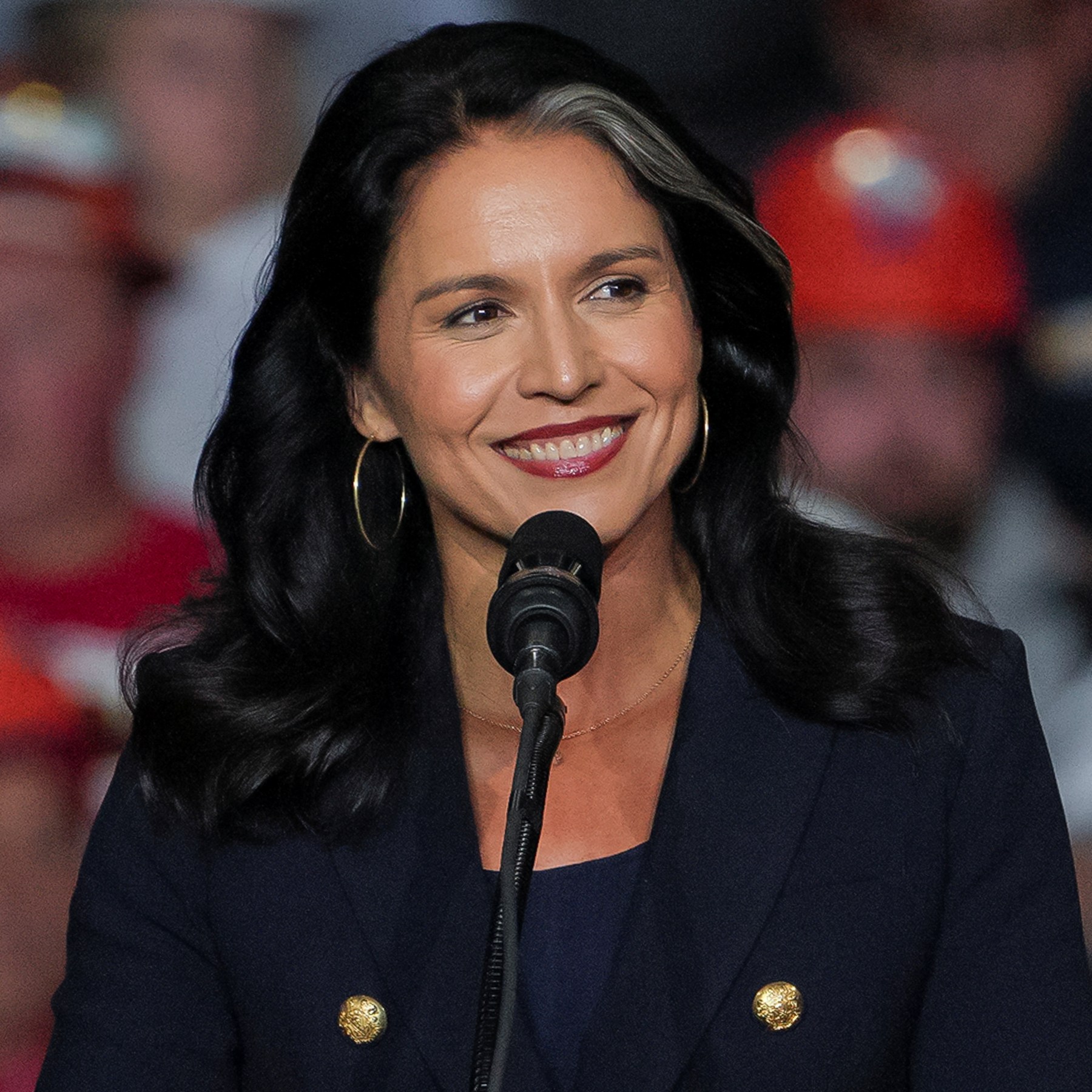
Few political figures in recent American politics have sparked as much debate and public curiosity as Tulsi Gabbard. Once known as a rising Democratic star and anti-war presidential candidate, Gabbard has undergone one of the most dramatic political transformations in recent years. Her shift from progressive Democrat to a prominent national security voice aligned with conservative politics has fueled intense national discussion.
Today, Gabbard stands at the center of debates involving intelligence reform, foreign policy, government transparency, military strategy, and the future direction of American politics. Her role as Director of National Intelligence (DNI) under the Trump administration has elevated her profile while also increasing scrutiny from critics and supporters alike.
Across social media, television panels, political podcasts, and Capitol Hill discussions, Americans continue reacting strongly to her evolving political identity. Some see her as an independent thinker challenging establishment politics, while others view her transformation as controversial and politically strategic.
This spotlight examines Tulsi Gabbard’s political journey, her national security positions, recent developments surrounding her leadership, and why she remains one of the most discussed political figures in the United States today.
Tulsi Gabbard’s Early Political Rise
Born in American Samoa and raised in Hawaii, Tulsi Gabbard first gained national recognition as a young politician with a military background. Her service in the Hawaii Army National Guard and deployment to Iraq shaped much of her political worldview.
Gabbard entered Congress in 2013 as a Democrat representing Hawaii. During her early years in Washington, she became known for advocating restraint in foreign wars and criticizing interventionist policies. She frequently challenged bipartisan support for prolonged military involvement overseas.
Her military experience gave her credibility among voters seeking leaders with firsthand knowledge of war and national defense. At the same time, her willingness to oppose establishment positions often placed her outside traditional party lines.
Gabbard later launched a presidential campaign during the 2020 Democratic primary race. Her campaign focused heavily on ending “regime change wars,” strengthening civil liberties, and reshaping American foreign policy priorities. Though her campaign did not gain enough momentum to secure the nomination, she became widely recognized for sharp debate performances and unconventional policy positions.
The Political Shift That Changed Everything
Tulsi Gabbard’s political evolution became one of the most talked-about stories in modern American politics. After distancing herself from Democratic leadership, she officially left the Democratic Party in 2022 and later aligned herself more closely with conservative politics before joining the Republican Party in 2024.
This transition shocked many political observers because Gabbard had previously been viewed as part of the Democratic Party’s progressive wing. However, she increasingly criticized what she described as ideological extremism, censorship, and political polarization within the Democratic establishment.
Her appearances on conservative media platforms expanded significantly during this period. She also gained popularity among voters frustrated with traditional partisan politics. Supporters praised her independence and willingness to challenge party orthodoxy, while critics accused her of abandoning earlier political principles.
The political shift became especially significant when former President Donald Trump nominated Gabbard to serve as Director of National Intelligence. The nomination generated major national debate because of her past statements on foreign policy, surveillance, Russia, and military intervention.
Tulsi Gabbard and the National Security Debate
National security remains the central issue defining Tulsi Gabbard’s current political identity. As Director of National Intelligence, she oversees America’s intelligence community and plays a major role in assessing global threats.
Recent intelligence hearings and congressional testimony have placed Gabbard in the national spotlight. During the 2026 Annual Threat Assessment hearing before the Senate Intelligence Committee, she discussed threats involving Iran, border security, cyber warfare, global instability, and foreign adversaries.
Her leadership style has sparked strong reactions across the political spectrum.
Supporters Say:
- She prioritizes transparency and accountability.
- She challenges entrenched intelligence bureaucracy.
- She focuses on protecting American interests rather than promoting foreign intervention.
- She brings military experience into intelligence leadership.
Critics Argue:
- Her foreign policy positions have sometimes aligned too closely with authoritarian narratives.
- Her skepticism toward intervention can weaken alliances.
- Her restructuring efforts inside intelligence agencies are politically motivated.
- Her public comments occasionally create controversy within bipartisan security circles.
These debates intensified following reports about internal intelligence reforms and policy shifts within the Office of the Director of National Intelligence (ODNI).
Intelligence Reform and Government Transparency
One of the defining features of Gabbard’s tenure has been her emphasis on intelligence reform and public transparency.
She has repeatedly argued that public trust in intelligence institutions declined because of politicization and lack of accountability. In speeches and testimony, she emphasized restoring credibility while focusing intelligence priorities on homeland defense and national security.
Several controversial initiatives have drawn major public attention.
Intelligence Community Restructuring
Reports indicate that Gabbard pursued organizational changes within intelligence agencies, including restructuring units and reducing redundancy. Critics warned these actions could weaken institutional expertise, while supporters argued reforms were necessary to modernize intelligence operations.
Declassification Efforts
Gabbard also attracted headlines through efforts to increase transparency regarding classified government records. Recent reports involving alleged disputes over JFK and MKUltra-related files generated intense political discussion and media coverage.
Oversight and Accountability
Her office reportedly referred former intelligence officials for potential criminal investigation connected to earlier impeachment-related controversies. That move intensified partisan reactions nationwide.
Supporters described these actions as necessary accountability measures. Opponents accused her office of politicizing intelligence oversight.
Foreign Policy Positions Continue to Spark Debate
Tulsi Gabbard’s foreign policy philosophy remains one of the most debated aspects of her public identity.
For years, she has criticized interventionist foreign policy and opposed long-term military engagements abroad. Her calls to avoid “regime change wars” became central to her national political brand.
At the same time, her critics argue some of her positions created controversy regarding America’s adversaries and alliances.
Iran and Middle East Policy
Recent testimony regarding Iran’s military capabilities and regional instability drew significant media attention. Gabbard stated that adversarial nations continue developing advanced missile systems that could threaten the United States in the future.
Her comments came during broader debates surrounding Middle East tensions and U.S. military strategy.
Biolab Investigation Controversy
Another major headline involved her investigation into foreign biological laboratories reportedly funded through U.S. programs. The review focused on identifying risks connected to gain-of-function research and international biosecurity concerns.
Supporters framed the investigation as proactive national security oversight. Critics questioned whether the rhetoric surrounding the issue could amplify conspiracy theories and political polarization.
America Reacts to Tulsi Gabbard
Public reaction to Tulsi Gabbard remains deeply divided.
On social media, she trends frequently during intelligence hearings, political interviews, and national security controversies. Her supporters often praise her independence and military service, while critics challenge her alliances and ideological transformation.
The reactions generally fall into several categories.
Supporters View Her As an Independent Voice
Many Americans frustrated with traditional party politics see Gabbard as someone willing to challenge both Democrats and Republicans.
Her supporters argue:
- She prioritizes peace over endless war.
- She questions intelligence overreach.
- She resists establishment political pressure.
- She brings military realism into foreign policy discussions.
Veterans and anti-intervention voters particularly appreciate her emphasis on avoiding prolonged overseas conflicts.
Critics Question Her Political Evolution
Opponents argue her political transformation raises concerns about consistency and credibility.
Critics frequently point to:
- Her changing party affiliation.
- Controversial foreign policy positions.
- Tensions with intelligence officials.
- Public disputes surrounding national security issues.
Some analysts believe her political evolution reflects broader ideological realignments happening within American politics.
Media Attention and Public Curiosity
Media outlets across the political spectrum continue covering Gabbard extensively because she generates strong engagement and debate.
Her television interviews, congressional testimony, and intelligence briefings regularly produce viral clips and online discussions. Whether praised or criticized, she remains highly relevant in America’s political conversation.
Tulsi Gabbard’s Role in the Trump Administration
Gabbard’s role within the Trump administration significantly expanded her political influence.
As DNI, she became one of the administration’s most visible national security officials. Her intelligence briefings and testimony positioned her at the center of discussions involving:
- Border security
- Counterterrorism
- China and Russia
- Cybersecurity
- Iran
- Government surveillance
- Intelligence reform
Reports also indicated that she participated in major international security discussions and diplomatic engagements involving Indo-Pacific strategy and global intelligence coordination.
Her supporters view her as a reform-focused national security leader. Critics argue her approach reflects broader political efforts to reshape intelligence institutions.
Why Tulsi Gabbard Continues to Trend
Several factors explain why Tulsi Gabbard continues generating public attention:
1. Unpredictable Political Identity
Her movement across the political spectrum makes her difficult to categorize.
2. Military Background
Her combat service gives her authority in foreign policy discussions.
3. Media Visibility
She regularly appears in major political debates and national security coverage.
4. Intelligence Leadership
Her role as DNI places her at the center of critical global issues.
5. Polarizing Debate
Strong reactions from both supporters and critics keep her constantly in the news cycle.
The Bigger Political Meaning
Tulsi Gabbard’s rise reflects broader changes happening in American politics.
Traditional political labels increasingly fail to capture modern voter coalitions. Figures like Gabbard appeal to voters who blend populist, anti-establishment, national security, and independent political views.
Her political evolution also highlights growing distrust toward institutions, intelligence agencies, media organizations, and party establishments. For many Americans, Gabbard represents a challenge to conventional political structures.
Whether admired or criticized, her influence demonstrates how rapidly political identities can evolve in today’s media environment.
What Comes Next for Tulsi Gabbard?
Political analysts continue debating Gabbard’s future trajectory.
Some believe she could remain a major national security figure for years. Others speculate she could eventually seek higher office again or become even more influential within conservative politics.
Her future likely depends on:
- National security developments
- Public opinion trends
- Intelligence controversies
- Election outcomes
- Her ability to maintain support across ideological groups
One thing remains clear: Tulsi Gabbard is no longer viewed as a niche political figure. She has become a central participant in some of America’s biggest debates involving security, governance, transparency, and political realignment.
Conclusion
Tulsi Gabbard remains one of the most fascinating and controversial figures in modern American politics. Her transformation from Democratic congresswoman to Director of National Intelligence under a Republican administration represents a remarkable political journey.
Her views on foreign policy, intelligence reform, military intervention, and national security continue driving major public debate. Supporters see her as a bold independent thinker willing to challenge establishment power. Critics argue her political shift raises serious questions about ideology and governance.
As America navigates ongoing security challenges and political polarization, Tulsi Gabbard’s role in national debate is unlikely to fade anytime soon.
FAQs
Who is Tulsi Gabbard?
Tulsi Gabbard is an American politician, military officer, and former congresswoman currently serving as Director of National Intelligence.
Why is Tulsi Gabbard controversial?
She is controversial because of her dramatic political shift, foreign policy positions, criticism of interventionist wars, and intelligence reform efforts.
Did Tulsi Gabbard switch political parties?
Yes. Gabbard left the Democratic Party in 2022 and later joined the Republican Party in 2024.
What is Tulsi Gabbard’s role in national security?
As Director of National Intelligence, she oversees the U.S. intelligence community and advises on national security threats.
What are Tulsi Gabbard’s foreign policy views?
She is known for opposing regime change wars, advocating restraint in military intervention, and emphasizing national security priorities focused on homeland defense.
Why is Tulsi Gabbard trending in the media?
She trends because of her intelligence leadership, congressional testimony, political transformation, and involvement in major national security debates.
What recent controversies involve Tulsi Gabbard?
Recent controversies include intelligence restructuring, declassification efforts, investigations into foreign biolabs, and disputes involving intelligence oversight.
How useful was this post?
Click on a star to rate it!
Average rating 0 / 5. Vote count: 0
No votes so far! Be the first to rate this post.
About the Author

usa5911.com
Administrator
Hi, I’m Gurdeep Singh, a professional content writer from India with over 3 years of experience in the field. I specialize in covering U.S. politics, delivering timely and engaging content tailored specifically for an American audience. Along with my dedicated team, we track and report on all the latest political trends, news, and in-depth analysis shaping the United States today. Our goal is to provide clear, factual, and compelling content that keeps readers informed and engaged with the ever-changing political landscape.