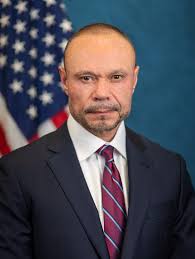
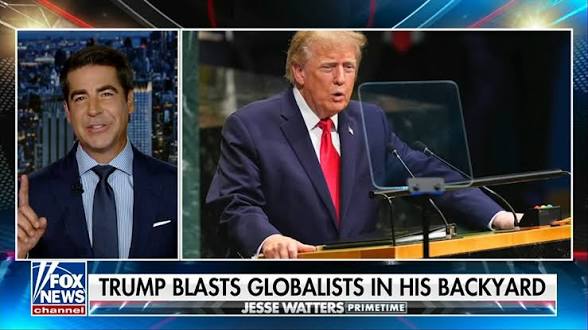
Vance-UK PM Showdown: Fury Erupts Over Stabbing Death, Diplomatic Tensions Rise
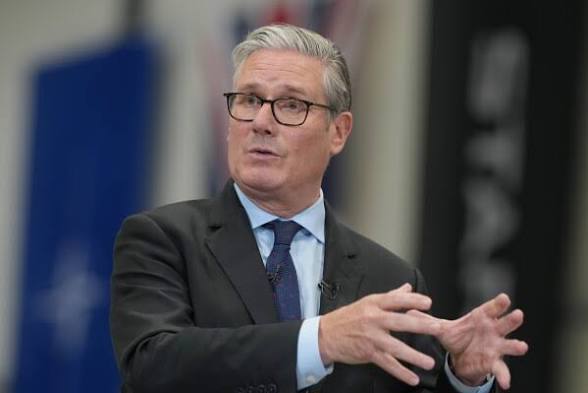
The latest political storm between the United States and the United Kingdom has erupted following comments made by JD Vance regarding the tragic stabbing death of British teenager Henry Nowak. What began as a reaction to a high-profile criminal case has quickly transformed into a diplomatic dispute involving senior government officials on both sides of the Atlantic.
The controversy centers on Vance’s public remarks linking the murder to immigration and broader societal issues in Europe. Those comments triggered sharp criticism from British leaders, including Keir Starmer and Deputy Prime Minister David Lammy, who accused the American vice president of misrepresenting the facts and inflaming tensions.
As the debate intensified, questions emerged about foreign political interference, immigration policy, law enforcement accountability, and the future of the long-standing UK-US alliance. The incident has become one of the most discussed international political stories of the week.
What Happened?
 Vance-UK PM Showdown: Fury Erupts Over Stabbing Death, Diplomatic Tensions Rise
The controversy stems from the murder of 18-year-old Henry Nowak in Southampton, England. The teenager died after being stabbed by Vickrum Digwa, who was later convicted of murder and sentenced to life imprisonment with a minimum term of 21 years. The case generated widespread public attention because police initially treated the wounded Nowak as a suspect after receiving misleading information from the attacker.
Public outrage grew after details of the incident emerged, leading to protests and demands for accountability. Questions were raised about police procedures, emergency response actions, and whether systemic failures contributed to the tragedy.
The case soon evolved beyond criminal justice concerns and entered the political arena.
JD Vance’s Comments Spark International Backlash
Vice President JD Vance publicly reacted to the case through social media and public statements. He argued that Henry Nowak’s death reflected broader challenges facing Europe, particularly issues related to immigration and societal decline. Vance suggested that mass migration policies had contributed to conditions that allowed such tragedies to occur.
His comments quickly gained attention in both American and British media.
Supporters of Vance argued that he was raising legitimate concerns about public safety, migration policies, and political accountability. Critics, however, accused him of exploiting a tragic death for political purposes and drawing conclusions that were not supported by the facts of the case.
The backlash intensified because British authorities pointed out that the convicted killer was British-born and that immigration was not considered a factor in the crime.
UK Government Responds Forcefully
The British government did not remain silent.
Prime Minister Keir Starmer’s office condemned attempts to use the case to create division and emphasized the wishes of the victim’s family, who reportedly did not want the tragedy politicized. British officials argued that public figures should respect the facts and avoid inflaming tensions.
David Lammy was even more direct. According to multiple reports, he held a “robust” conversation with Vance and told him that his interpretation of the case was wrong. Lammy stressed that the murder had no connection to mass migration and criticized attempts to use the tragedy as evidence for broader political narratives.
The exchange marked one of the strongest public disagreements between senior British and American leaders in recent years.
Why the Remarks Became So Controversial
Several factors explain why Vance’s comments triggered such a powerful reaction.
1. Questions of Accuracy
British officials argued that Vance’s claims were factually inaccurate because the convicted murderer was British-born rather than a recent immigrant. They maintained that linking the crime directly to migration policies distorted the reality of the case.
2. Respect for the Victim’s Family
The family of Henry Nowak reportedly urged politicians and commentators not to use the tragedy to create further division. British leaders cited these wishes while criticizing the politicization of the case.
3. Concerns About Foreign Interference
Some British officials viewed Vance’s intervention as an unusual intrusion into domestic UK politics. Analysts noted that Western allies have traditionally avoided commenting aggressively on each other’s internal political controversies.
4. Existing Political Tensions
The remarks arrived during a period of growing disagreements between parts of the American and British political establishments over immigration, foreign policy, and cultural issues. As a result, the controversy quickly expanded beyond the original criminal case.
The Broader Immigration Debate
Immigration remains one of the most contentious political issues in both the United States and Europe.
Supporters of stricter immigration policies often point to public safety concerns, border control challenges, and cultural integration issues. Critics argue that immigration is frequently blamed for problems that have more complex causes and warn against associating entire communities with isolated crimes.
The Nowak case has become another example of how individual criminal incidents can rapidly become symbols within larger political debates.
Vance’s supporters see his comments as part of a broader discussion about migration and national identity. His critics believe he oversimplified a tragic event and connected it to immigration without sufficient evidence.
Impact on UK-US Relations
The diplomatic fallout has drawn attention because the United States and the United Kingdom traditionally maintain one of the world’s closest political alliances.
The so-called “special relationship” has survived numerous disagreements over the decades, including disputes involving trade, military interventions, intelligence cooperation, and foreign policy.
However, experts say public criticism between senior leaders can still create friction. Several analysts noted that Vance’s intervention broke with the normal convention of avoiding direct involvement in domestic political controversies within allied nations.
While few expect lasting damage to the strategic relationship, the episode highlights growing ideological differences between political movements on both sides of the Atlantic.
Public Reaction Across Britain
The controversy generated strong reactions among the British public.
Some citizens agreed with Vance’s broader concerns about crime, immigration, and government accountability. Others believed his comments were inappropriate and unhelpful.
Social media platforms quickly became battlegrounds where competing narratives emerged. Discussions ranged from immigration policy and policing standards to freedom of speech and international diplomacy.
The debate also reignited scrutiny of police actions during the incident. Many observers argued that the initial treatment of Henry Nowak by responding officers deserved greater attention than broader political arguments about immigration.
Political Implications in the United States
For Vance, the controversy may have domestic political implications as well.
The vice president has become one of the most prominent voices within the conservative movement. His comments often resonate with voters concerned about immigration, national identity, and public safety.
Political analysts suggest that Vance’s intervention reflects a broader effort among some American conservatives to connect domestic policy debates with developments in Europe. This strategy seeks to frame migration and cultural issues as shared challenges facing Western democracies.
Whether the controversy strengthens or weakens Vance politically will likely depend on how voters interpret his remarks.
What Happens Next?
Several developments are likely in the coming weeks:
- Continued political debate in both countries.
- Ongoing reviews of police conduct related to the Nowak case.
- Additional scrutiny of immigration and public safety policies.
- Diplomatic efforts to prevent the dispute from escalating further.
- Increased media coverage of UK-US political disagreements.
Despite the heated rhetoric, officials on both sides appear eager to avoid a long-term diplomatic rupture.
David Lammy indicated that despite his disagreements with Vance, the two leaders maintained communication and mutual respect.
Why This Story Matters
The Vance-UK PM showdown is significant because it touches on several major political issues simultaneously:
- Immigration policy
- Public safety
- Police accountability
- Freedom of political expression
- International diplomacy
- UK-US relations
The incident demonstrates how a domestic criminal case can evolve into an international political controversy when powerful leaders attach broader ideological meaning to it.
It also illustrates the increasingly interconnected nature of modern politics, where debates in one country quickly influence discussions in another.
Conclusion
The Vance-UK PM showdown has become one of the most closely watched diplomatic disputes of the year. Following the tragic murder of Henry Nowak, comments by US Vice President JD Vance triggered a forceful response from British leaders who rejected his interpretation of the case and accused him of politicizing a national tragedy.
While the immediate controversy centers on a single criminal case, the underlying issues are much larger. Immigration, public safety, policing, political rhetoric, and transatlantic relations are all part of the debate.
As investigations continue and political leaders seek to manage the fallout, the incident serves as a reminder that words spoken by senior officials can have consequences far beyond their intended audience.
Frequently Asked Questions (FAQs)
What is the Vance-UK PM showdown?
It refers to the diplomatic dispute that emerged after US Vice President JD Vance criticized Britain’s handling of the Henry Nowak murder case, prompting strong responses from UK leaders.
Who was Henry Nowak?
Henry Nowak was an 18-year-old British student who died after being stabbed in Southampton. His death became the focus of a major political controversy.
Why did JD Vance criticize the UK?
Vance linked the case to broader concerns about immigration and societal challenges in Europe, arguing that migration policies contributed to conditions surrounding the tragedy.
How did the UK government respond?
British Prime Minister Keir Starmer’s office and Deputy Prime Minister David Lammy rejected Vance’s claims and argued that the case had no connection to mass migration.
Did the case involve immigration?
British officials stated that the convicted killer was British-born and that immigration was not a factor in the crime.
Could the dispute affect UK-US relations?
While experts do not expect lasting damage to the alliance, the controversy has highlighted growing political and ideological differences between leaders on both sides of the Atlantic.
How useful was this post?
Click on a star to rate it!
Average rating 0 / 5. Vote count: 0
No votes so far! Be the first to rate this post.
About the Author

usa5911.com
Administrator
Hi, I’m Gurdeep Singh, a professional content writer from India with over 3 years of experience in the field. I specialize in covering U.S. politics, delivering timely and engaging content tailored specifically for an American audience. Along with my dedicated team, we track and report on all the latest political trends, news, and in-depth analysis shaping the United States today. Our goal is to provide clear, factual, and compelling content that keeps readers informed and engaged with the ever-changing political landscape.