Tehran Threat:Ukraine Struck Iranian Ship,Shock,Alert
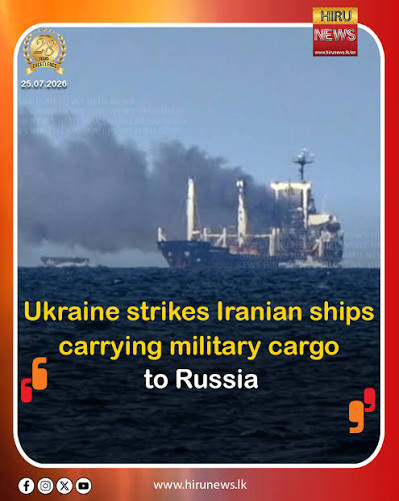
The claim that Ukraine struck an Iranian ship has become one of the most talked-about developments in the ongoing geopolitical tensions involving Ukraine, Russia, and Iran. According to Iranian officials, a Ukrainian attack on an Iranian commercial vessel in the Caspian Sea killed one sailor and injured another. The incident has intensified diplomatic tensions and raised concerns that the Ukraine-Russia conflict could widen further.
Although Ukraine has not publicly confirmed targeting the specific commercial vessel identified by Iran, President Volodymyr Zelenskyy stated that Ukrainian forces successfully carried out long-range strikes against vessels allegedly transporting military cargo connected to Iran and Russia in the Caspian Sea.
This article examines the latest developments, why the incident matters, and how it could reshape regional security.
What Happened?
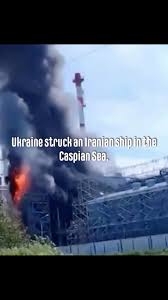
Iran’s Foreign Ministry announced that an explosion struck one of its commercial vessels operating in the Caspian Sea. Tehran blamed Ukraine for the attack, describing it as a “hostile and criminal act.” Iranian officials reported that one sailor was killed and another injured in the incident. The ministry also summoned Ukraine’s chargé d’affaires in Tehran to formally protest the alleged attack.
The announcement immediately attracted international attention because it suggests that military operations linked to the Ukraine war may have expanded into a region that had previously seen comparatively limited direct conflict.
If confirmed, this would represent another significant escalation in the increasingly complex relationship between Iran and Ukraine.
Iran’s Accusations Against Ukraine
Iran strongly condemned the alleged strike and warned that it reserves the right to protect its national interests.
According to Iranian officials:
- The targeted vessel was a commercial ship.
- The explosion killed one crew member.
- Another sailor suffered injuries.
- Ukraine bears responsibility for the incident.
- Diplomatic protests have already begun.
Iranian authorities argue that attacks on civilian or commercial shipping violate international law and threaten maritime security in the Caspian Sea.
The incident comes at a time when Iran already faces mounting pressure over accusations that it has supplied drones and other military technology to Russia during the Ukraine conflict.
Ukraine’s Position
Ukraine has not confirmed Iran’s specific allegation regarding the commercial vessel.
However, President Volodymyr Zelenskyy stated that Ukrainian forces successfully conducted long-range strikes targeting vessels involved in military cargo shipments linked to Iran and Russia in the Caspian Sea. He also accused Russia of sharing satellite intelligence with Iran to support operations in the Middle East.
From Ukraine’s perspective, any vessels supporting Russia’s military logistics could be viewed as legitimate military objectives. Iran, however, rejects this characterization and says the attacked ship was a commercial vessel.
Because the two governments describe the incident differently, some operational details remain disputed.
Why the Caspian Sea Matters
The Caspian Sea is strategically important for several reasons.
First, it provides an important transportation corridor linking Russia and Iran.
Second, it supports commercial shipping, energy infrastructure, and regional trade.
Third, it has increasingly become significant for military logistics as Russia seeks alternative supply routes following Western sanctions.
Analysts note that maritime traffic across the Caspian Sea has grown in strategic importance since the beginning of the Ukraine war. Any disruption could affect regional shipping, logistics, and broader geopolitical calculations.
Growing Tensions Between Iran and Ukraine
Relations between Tehran and Kyiv have deteriorated steadily over recent years.
Major points of disagreement include:
- Alleged Iranian drone supplies to Russia.
- Ukrainian sanctions targeting Iranian entities.
- Diplomatic disputes over military cooperation.
- Competing narratives regarding regional security.
Ukraine and several Western governments have repeatedly accused Iran of supplying Shahed drones and other equipment used by Russia during the war. Iran has consistently denied providing weapons for use after the conflict began.
The latest incident risks pushing relations even lower.
International Reactions
Governments around the world are closely monitoring the situation.
Many observers fear that attacks involving Iranian shipping could broaden the conflict beyond Eastern Europe.
Security experts warn that if retaliatory actions occur, additional countries could become involved diplomatically or militarily.
At present, most governments have called for restraint while awaiting further verified information about the attack.
Could This Expand the Conflict?
One of the biggest concerns is whether the incident represents a new phase of the Ukraine war.
Several factors make this possibility significant:
- Increased military activity around the Caspian Sea.
- Growing Iran-Russia defense cooperation.
- Expanded use of long-range drones.
- Rising diplomatic confrontation.
Military analysts suggest that logistics networks supporting military operations may increasingly become targets if they are assessed to contribute directly to the war effort. Whether that applies in this specific case remains disputed.
Economic Implications
Even limited attacks on shipping can have wider consequences.
Potential impacts include:
- Higher insurance costs for shipping companies.
- Increased security measures for vessels.
- Possible disruption of regional trade.
- Greater uncertainty for energy markets.
Although the Caspian Sea is not as globally significant as the Strait of Hormuz, it remains an important regional transport route connecting Russia, Iran, and neighboring countries.
Security analysts believe the reported strike marks another sign that the conflict between Russia and Ukraine is affecting a broader network of countries. If military supply routes are increasingly targeted, transportation corridors that were once considered relatively secure could face greater risks.
Experts outline several possible developments:
- Increased maritime security: Iran and other Caspian Sea nations may strengthen naval patrols and monitoring of commercial shipping.
- Diplomatic escalation: Iran could continue diplomatic protests or seek international support regarding the alleged attack.
- Expanded sanctions: Western countries and regional powers may review sanctions or trade policies depending on how the situation evolves.
- Military adjustments: Russia and Iran could alter logistics routes if they believe current transportation corridors are vulnerable.
Most analysts stress that many operational details remain disputed, making it important to rely on verified information as investigations continue.
The Role of Iran and Russia
Iran and Russia have strengthened cooperation in recent years, particularly in trade, energy, and defense. Western governments have repeatedly accused Iran of supplying drones and other military equipment used by Russia in Ukraine. Tehran has denied sending weapons for use after the start of the full-scale invasion.
Ukraine argues that logistics supporting Russia’s military operations are legitimate military targets if they directly contribute to the war effort. Iran, however, maintains that the vessel involved in the latest incident was a commercial ship.
These opposing narratives make the incident especially sensitive and difficult to assess without independent verification.
Why the Caspian Sea Is Becoming More Strategic
The Caspian Sea has traditionally been viewed as a relatively stable inland maritime region. However, the ongoing war has increased its strategic value.
Key reasons include:
- It connects Russia with Iran through maritime trade routes.
- It supports transportation of goods and industrial equipment.
- It serves as an alternative logistics corridor as sanctions affect traditional supply routes.
- It links several regional economies, including Kazakhstan, Azerbaijan, and Turkmenistan.
Any disruption to shipping in the Caspian Sea could affect trade and security calculations across the region.
Global Security Concerns
The reported incident has raised concerns among international observers because it illustrates how the effects of the Ukraine war can extend beyond the primary battlefield.
Several risks are being closely watched:
Rising Regional Tensions
Additional incidents involving commercial or military shipping could increase diplomatic tensions between regional states.
Supply Chain Disruptions
If shipping companies view the Caspian Sea as a higher-risk area, transport costs and delivery times could rise.
Greater Military Coordination
Countries with interests in the region may expand surveillance, intelligence sharing, and naval cooperation.
Diplomatic Challenges
International organizations could face increasing pressure to encourage dialogue and reduce the risk of further escalation.
Possible Future Scenarios
Although the situation continues to develop, experts generally discuss several potential outcomes.
1. Diplomatic Resolution
Iran and Ukraine may continue addressing the issue through diplomatic channels while avoiding direct military escalation.
2. Increased Maritime Security
Regional governments could introduce stricter inspections, additional naval patrols, and enhanced monitoring of shipping lanes.
3. Continued Strategic Strikes
If military logistics remain central to the conflict, additional strikes against transport infrastructure could occur, depending on military objectives and international law.
4. Broader International Involvement
The issue may receive greater attention at international forums if tensions continue to rise or further incidents occur.
What This Means for the Ukraine War
The alleged strike demonstrates how interconnected the conflict has become.
Instead of being limited to traditional battlefronts, the war increasingly affects:
- International shipping
- Energy infrastructure
- Regional trade routes
- Diplomatic relations
- Global security planning
At the same time, conflicting claims from the parties involved mean that careful verification remains essential before drawing conclusions about responsibility or the precise nature of the target.
Conclusion
The Ukraine struck Iranian ship allegation represents another significant development in the wider geopolitical tensions surrounding the war in Ukraine. Iran says a commercial vessel was attacked, resulting in one death and one injury, while Ukraine has described strikes on vessels it says were carrying military cargo linked to Russia and Iran. Some key facts remain contested, and independent verification is still limited.
Regardless of how the incident is ultimately assessed, it highlights the growing importance of maritime logistics, regional security, and international diplomacy. The coming weeks are likely to provide more information as investigations continue and governments respond.
Frequently Asked Questions (FAQs)
1. Did Ukraine strike an Iranian ship?
Iran says Ukraine attacked an Iranian commercial vessel in the Caspian Sea. Ukraine has not confirmed that specific allegation but has stated it carried out strikes against vessels it says were transporting military cargo linked to Russia and Iran.
2. Where did the reported attack occur?
According to Iranian officials, the incident occurred in the Caspian Sea.
3. Why is the Caspian Sea strategically important?
The Caspian Sea is an important route for regional trade, energy transportation, and logistics connecting Russia, Iran, and neighboring countries.
4. Has the international community responded?
Governments have called for restraint while monitoring the situation, and further diplomatic discussions are expected as more information becomes available.
5. Could this escalate the conflict?
Analysts say the incident could increase regional tensions, but its long-term impact will depend on diplomatic responses, further evidence, and developments on the ground.
6. Why is this incident significant?
The reported attack underscores how the Ukraine war increasingly affects wider regional logistics, maritime security, and international relations beyond the immediate battlefield.
How useful was this post?
Click on a star to rate it!
Average rating 0 / 5. Vote count: 0
No votes so far! Be the first to rate this post.
About the Author

usa5911.com
Administrator
Hi, I’m Gurdeep Singh, a professional content writer from India with over 3 years of experience in the field. I specialize in covering U.S. politics, delivering timely and engaging content tailored specifically for an American audience. Along with my dedicated team, we track and report on all the latest political trends, news, and in-depth analysis shaping the United States today. Our goal is to provide clear, factual, and compelling content that keeps readers informed and engaged with the ever-changing political landscape.