The Tina Peters case has once again become one of the most discussed political and legal stories in the United States. What began as a local election security controversy in Colorado has evolved into a national debate involving election integrity, free speech, criminal accountability, presidential influence, and public trust in democratic institutions.
As new court rulings, sentence reductions, and political reactions emerge, the case continues to divide public opinion across the country. Supporters argue that Peters became a symbol of concerns surrounding election transparency, while critics insist her actions crossed legal boundaries and undermined confidence in election systems.
Recent developments have placed the former Mesa County clerk back in the spotlight, generating renewed media attention and intense discussion across social media platforms, political circles, and legal communities.
Who Is Tina Peters?
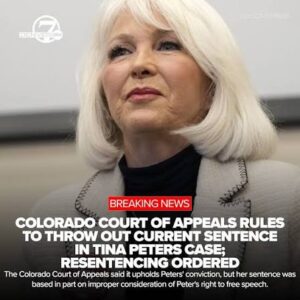
Tina Peters is the former Mesa County Clerk and Recorder in Colorado. She first gained national attention after becoming involved in controversies surrounding the 2020 U.S. presidential election.
Peters was among several public officials who questioned election procedures following the highly contested election. Her actions later became the focus of investigations into unauthorized access to election equipment and sensitive voting system data.
The controversy attracted widespread interest because it touched on one of the most sensitive topics in modern American politics: election security.
As debates over voting technology and election administration intensified nationwide, Peters became a prominent figure among election skeptics and conservative activists.
How the Controversy Began
The roots of the Tina Peters case trace back to 2021, when election system information from Mesa County was allegedly copied and later circulated publicly.
Investigators claimed Peters facilitated unauthorized access to election equipment by individuals who were not authorized to handle secure election systems. Authorities argued that the release of sensitive election system information created security risks and violated state laws.
The incident quickly expanded beyond a local administrative matter.
Federal investigators, state officials, election experts, and national political figures began paying attention. The controversy became intertwined with broader debates regarding election security and allegations of voter fraud following the 2020 election.
According to multiple reports, leaked election system data later appeared online and was presented at conferences attended by election skeptics.
Criminal Charges and Conviction
After lengthy investigations, prosecutors filed several criminal charges against Peters.
A jury ultimately found her guilty on multiple counts connected to the election equipment breach. Convictions included charges related to attempting to influence public servants, official misconduct, conspiracy, and violations of election procedures.
The case became historically significant because Peters was among the first election officials in the United States convicted in connection with efforts tied to post-2020 election conspiracy theories.
Prosecutors argued that her conduct represented a serious abuse of public trust.
Defense attorneys, meanwhile, maintained that Peters acted out of concern for election transparency and voter confidence.
The competing narratives helped transform the case into a national political flashpoint.
The Nine-Year Prison Sentence
One of the most controversial aspects of the case involved Peters’ sentence.
In 2024, she received a prison sentence of approximately nine years after being convicted on multiple charges. The punishment immediately sparked debate among legal analysts, politicians, and activists.
Critics of the sentence argued that it was unusually severe for a first-time, nonviolent offender.
Others countered that election officials hold positions of extraordinary responsibility and that violations involving election systems require strong deterrence.
The sentencing hearing itself became a major point of contention.
According to appellate court findings, comments made during sentencing suggested that the judge may have considered Peters’ continued public statements regarding election fraud when determining the length of the punishment.
That issue would later become central to the appeals process.
Appeals Court Orders Resentencing
A major turning point arrived in April 2026.
The Colorado Court of Appeals upheld Peters’ convictions but ordered a new sentencing hearing. The court concluded that the original sentencing process may have improperly considered protected speech under the First Amendment.
Importantly, the court did not overturn the convictions.
Instead, judges determined that Peters remained legally responsible for the crimes for which she had been convicted, but that sentencing should focus on criminal conduct rather than political speech.
The ruling generated immediate reactions across the political spectrum.
Supporters celebrated the decision as a victory for constitutional protections.
Critics warned that the ruling could be misinterpreted as a broader validation of election-related conspiracy theories.
Legal experts noted that the case highlighted a complex constitutional question: how courts should balance criminal accountability with First Amendment protections during sentencing.
Trump’s Involvement Raises National Stakes
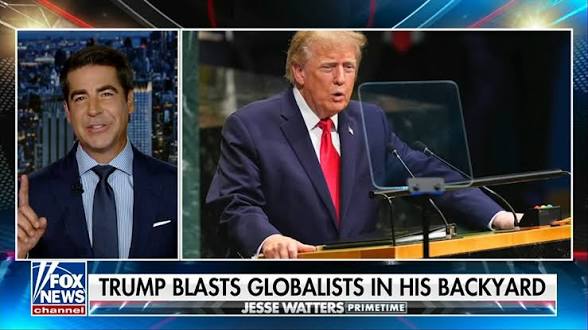
The Tina Peters case drew even greater national attention when President Donald Trump publicly advocated on her behalf.
Trump repeatedly criticized her imprisonment and called for her release. He also announced what he described as a pardon for Peters. However, because her convictions were based on state crimes rather than federal offenses, Colorado officials argued that a presidential pardon could not legally apply.
The disagreement triggered another legal and political controversy.
Colorado officials maintained that state convictions fall outside presidential pardon authority.
The dispute intensified tensions between state leaders and the federal administration. Some Colorado officials accused the White House of applying political pressure in an attempt to influence state legal proceedings.
The unusual clash further elevated the case into national political headlines.
Governor Jared Polis Commutes Sentence
Perhaps the most dramatic development occurred when Colorado Governor Jared Polis commuted Peters’ sentence.
The decision significantly reduced her prison term and paved the way for her release. According to reports, Polis argued that the original punishment appeared unusually harsh for a first-time, nonviolent offender.
The governor emphasized that the commutation did not erase Peters’ convictions.
She remained a convicted felon despite the sentence reduction.
Supporters praised the decision as a correction of what they viewed as an excessive punishment.
Opponents argued that reducing the sentence could weaken public confidence in election security enforcement.
The move quickly became one of the most debated political decisions in Colorado.
Election Officials React
Election administrators and government officials expressed strong reactions to the commutation.
Several election officials argued that the case involved serious breaches of election system security and that reducing the sentence could send the wrong message to public servants entrusted with safeguarding elections.
Colorado Secretary of State Jena Griswold emerged as one of the most vocal critics.
She warned that the decision could energize election denial movements and undermine efforts to protect public trust in voting systems.
Other state officials similarly emphasized that the conviction itself remained intact and that the underlying conduct was still considered criminal.
Public Reaction Across America
Public response to the Tina Peters case remains deeply divided.
On social media platforms, discussions often reflect broader political disagreements surrounding election administration and government institutions.
Many conservatives view Peters as someone who raised legitimate questions about election procedures and was punished too severely.
Many liberals and election experts argue that the case demonstrates the dangers of undermining election security and spreading unsupported claims about election fraud.
Reddit discussions and online forums reveal the intensity of public opinion. Some users celebrated resentencing efforts and clemency decisions, while others criticized them as weakening accountability.
The polarized reactions illustrate how election-related cases continue to resonate years after the 2020 presidential election.
Why the Case Matters Nationally
The Tina Peters case extends far beyond Colorado.
At its core, the controversy touches several major issues that continue shaping American politics:
Election Integrity
Questions about voting technology, election administration, and public trust remain central topics in political discourse.
Free Speech
The appeals court decision raised important questions regarding how judges should treat political speech during criminal sentencing.
State vs. Federal Authority
Trump’s attempted intervention highlighted constitutional boundaries between federal and state powers.
Political Polarization
The sharply divided reactions underscore ongoing political tensions throughout the country.
Because these issues affect elections, governance, and constitutional rights, the case continues attracting national attention.
What Happens Next?
Although Peters has received sentence relief, legal questions surrounding the case are not entirely settled.
The resentencing process remains a significant legal development. Courts continue evaluating how sentencing should proceed while respecting constitutional protections recognized by the appellate ruling.
Observers will also watch whether additional legal challenges emerge and whether political debates surrounding election security continue influencing public discussion.
Given the national attention already attached to the case, future developments are likely to generate substantial media coverage.
Conclusion
The Tina Peters case has evolved into one of the most closely watched election-related legal battles in America.
From election system breaches and criminal convictions to constitutional appeals and political intervention, the controversy reflects many of the deepest divisions in modern American public life.
Recent court rulings and sentence reductions have ensured that the story remains far from over. While supporters view Peters as a figure caught in a broader political conflict, critics insist that accountability for election security violations remains essential.
As legal proceedings continue and political leaders weigh in, the Tina Peters case is likely to remain a major topic in discussions about election integrity, free speech, criminal justice, and democracy itself.
Frequently Asked Questions (FAQs)
Who is Tina Peters?
Tina Peters is the former Mesa County Clerk and Recorder in Colorado who became nationally known after controversies involving election system data and post-2020 election claims.
Why was Tina Peters convicted?
She was convicted on multiple charges related to unauthorized access to election equipment, misconduct, and related offenses connected to a breach of election systems.
Did the appeals court overturn her conviction?
No. The appeals court upheld her convictions but ordered a new sentencing hearing because of concerns about how protected speech was considered during sentencing.
Did Donald Trump pardon Tina Peters?
Trump announced a pardon, but Colorado officials argued that a president cannot pardon state-level convictions.
Why did Governor Jared Polis reduce her sentence?
Polis stated that the original sentence appeared unusually harsh for a first-time, nonviolent offender while emphasizing that the convictions remain valid.
Why is the Tina Peters case important?
The case involves election security, constitutional rights, political influence, criminal accountability, and public trust in democratic institutions, making it significant far beyond Colorado.
About the Author