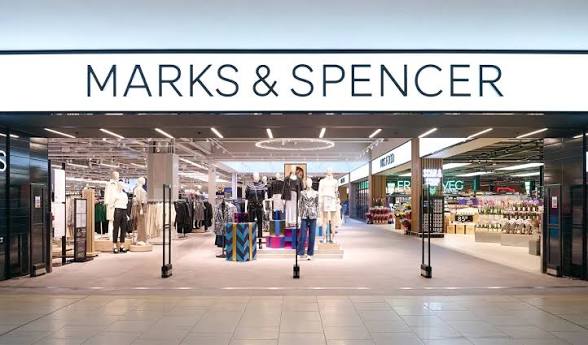
Few names on the British high street carry the same level of recognition as Marks & Spencer. For generations, the retailer has been associated with quality food, clothing, home products, and trusted customer service. However, recent months have placed the company under intense scrutiny as a series of operational and cybersecurity challenges have triggered concern among shoppers, investors, and industry analysts.
The latest Marks & Spencer UK alert comes as the retail giant continues to deal with the fallout from a major cyberattack that disrupted services, affected customer experiences, and placed pressure on financial performance. Across Britain, shoppers have voiced frustration over delayed orders, payment issues, stock shortages, and concerns regarding customer data security.
Despite these setbacks, Marks & Spencer remains one of the most influential retailers in the UK, and its response to these challenges could shape the future of retail cybersecurity and customer trust across the sector.
Why Marks & Spencer Is Back in the Headlines

The renewed attention surrounding Marks & Spencer follows the significant cyber incident that first emerged in 2025. The company confirmed that hackers targeted parts of its systems, forcing temporary operational changes and causing disruption across multiple services.
Customers reported problems with:
- Contactless payments
- Click-and-collect services
- Online orders
- Store stock availability
- Customer support systems
The retailer later acknowledged that cybersecurity specialists had been brought in to investigate the breach and strengthen protections. Authorities were also informed as part of the response process.
What initially appeared to be a temporary disruption evolved into a wider operational challenge that continued affecting parts of the business for months.
The Financial Impact on the Retail Giant
The cyberattack eventually carried a substantial financial cost.
Recent financial reports revealed that Marks & Spencer experienced a significant decline in annual profits, with cyberattack-related expenses, disrupted sales, and supply chain complications contributing heavily to the downturn. The company reported that the incident affected online trading, product availability, and customer purchasing behaviour.
Industry experts note that modern retailers depend heavily on interconnected digital systems. When those systems become compromised, the impact spreads rapidly across operations, including:
- Warehousing
- Inventory management
- Online shopping
- Customer communications
- Payment processing
For a retailer operating more than 1,000 stores and serving millions of customers, even short disruptions can result in substantial financial losses. Reports estimated that the incident cost the company hundreds of millions of pounds in recovery expenses and lost revenue.
Customer Data Concerns Raise New Questions
One of the most sensitive aspects of the incident involved customer information.
Marks & Spencer later confirmed that some customer data had been accessed during the attack. The retailer stated that information such as names, email addresses, postal addresses, dates of birth, and certain customer account details may have been affected. However, payment card information and passwords were reportedly not exposed.
The announcement naturally generated concern among shoppers.
Many customers wanted clarity regarding:
- What information was affected
- Whether identities could be compromised
- How future attacks would be prevented
- What compensation or support would be available
The incident highlights a growing challenge facing businesses across Britain. Cybersecurity is no longer solely an IT issue; it has become a critical customer trust issue.
Shoppers React Across Britain
Consumer reaction has been mixed but passionate.
During the peak of the disruption, shoppers across Britain reported empty shelves, unavailable products, delayed deliveries, and technical difficulties. Social media platforms quickly filled with customer complaints and experiences from stores nationwide.
Some customers expressed sympathy toward store employees who were working under difficult circumstances. Others voiced frustration after being unable to complete purchases, collect orders, or access services they relied upon.
Common customer complaints included:
Empty Shelves
Several stores reportedly struggled with stock availability due to supply chain interruptions connected to the cyber incident. Shoppers encountered missing grocery items and reduced product selections in some locations.
Online Order Disruptions
The retailer temporarily suspended online ordering systems during parts of the recovery process. This affected thousands of customers who depended on home delivery and click-and-collect services.
Payment Problems
Contactless payment systems experienced outages during the incident, forcing customers to seek alternative payment methods.
Data Security Anxiety
News that customer information had been accessed increased concern among shoppers who expected stronger digital protections from one of Britain’s largest retailers.
How Employees Were Affected
The impact extended beyond customers.
Reports indicated that distribution centres, logistics networks, and workforce scheduling systems experienced disruption during the recovery period. Some agency workers were reportedly told not to attend shifts while operational challenges continued.
Employees faced pressure as they attempted to maintain customer service standards while adapting to temporary workarounds and manual processes.
Retail experts point out that frontline workers often bear the immediate consequences of technological failures despite having little control over the underlying systems.
A Wider Warning for UK Retailers
The Marks & Spencer situation has become a warning sign for the entire retail industry.
Cybercriminals increasingly target major retailers because they hold large amounts of customer data and rely heavily on digital infrastructure.
The incident has prompted broader discussions regarding:
- Cybersecurity investment
- Incident response planning
- Data protection measures
- Business continuity strategies
- Supply chain resilience
Many analysts believe that retailers throughout the UK will increase cybersecurity spending as a direct result of incidents affecting major brands.
The challenge is clear: customers expect seamless shopping experiences while businesses must simultaneously defend against increasingly sophisticated cyber threats.
Investor Confidence and Market Response
Despite the difficulties, investor sentiment has shown signs of recovery.
While profits suffered following the cyberattack, company leadership expressed confidence in long-term growth plans and operational improvements. The retailer emphasized efforts to strengthen systems, improve product availability, and restore customer confidence.
Some investors appear encouraged by management’s willingness to confront the problem directly and invest in long-term resilience.
However, market observers continue to watch closely for:
- Recovery in online sales
- Customer retention levels
- Security improvements
- Operational performance
- Profit growth trends
Future earnings reports will likely provide a clearer picture of how effectively the company has recovered.
The Challenge of Rebuilding Trust
For many retailers, trust is their most valuable asset.
Customers expect:
- Secure transactions
- Reliable deliveries
- Product availability
- Protection of personal information
- Consistent service
When those expectations are disrupted, rebuilding confidence can take time.
Marks & Spencer has emphasized transparency and communication throughout the recovery process, but customer perceptions will ultimately depend on future performance. Continued improvements in service reliability and security will play a major role in determining how quickly confidence returns.
What Happens Next?
The next chapter for Marks & Spencer will likely focus on three priorities:
Strengthening Cybersecurity
The retailer is expected to continue investing heavily in cybersecurity infrastructure and monitoring capabilities to reduce future risks.
Restoring Operational Stability
Ensuring smooth online ordering, reliable deliveries, and fully functioning store systems remains a key objective.
Rebuilding Customer Loyalty
Winning back confidence from affected customers will require consistent performance and clear communication.
Retail analysts generally believe the company possesses the brand strength and customer base necessary to recover successfully, but execution will be critical.
The Future of Britain’s High Street
The Marks & Spencer story also reflects broader changes happening across British retail.
Traditional retailers increasingly operate as technology companies as much as physical store operators. Success now depends on the reliability of digital systems as much as product quality or store locations.
The incident serves as a reminder that:
- Cybersecurity is a business priority.
- Customer trust can be fragile.
- Digital resilience matters.
- Operational continuity is essential.
- Transparency during crises is increasingly expected.
As Britain continues embracing digital commerce, retailers of every size will face similar pressures to protect both their systems and their customers.
Conclusion
The latest Marks & Spencer UK alert highlights the continuing challenges facing one of Britain’s most recognizable retail brands. The fallout from cyber disruptions, customer data concerns, operational setbacks, and financial pressures has tested the company’s resilience and attracted nationwide attention.
Yet the retailer’s response also demonstrates the importance of adaptation in an increasingly digital retail environment. While customers across Britain have expressed frustration, many are watching closely to see how the company recovers and evolves.
For Marks & Spencer, the road ahead is about more than restoring systems. It is about rebuilding trust, strengthening security, and proving that one of the UK’s most iconic retail brands can emerge stronger from one of the most challenging periods in its recent history.
Frequently Asked Questions (FAQs)
What is the latest Marks & Spencer UK alert about?
The alert relates to ongoing pressure facing Marks & Spencer following a major cyberattack, operational disruptions, customer concerns, and financial impacts.
Was customer data affected in the Marks & Spencer cyberattack?
Yes. The company confirmed that some customer information was accessed, including names, addresses, and contact details. Payment card information was reportedly not compromised.
Did the cyberattack affect online shopping?
Yes. Online orders, click-and-collect services, and other digital systems experienced significant disruption during the incident.
Why were shoppers complaining about empty shelves?
Supply chain and logistics challenges linked to the cyberattack reportedly affected stock availability in some stores.
Has Marks & Spencer recovered from the incident?
The company has restored many affected services and continues implementing recovery measures, although financial and operational impacts have continued beyond the initial disruption.
What does this mean for UK retailers?
The incident highlights the growing importance of cybersecurity, data protection, and operational resilience for retailers across Britain.
About the Author